
The Moments That Make Us Realize We’re Getting Older—And Why They Can Change How We Age
Written by Ravoke News Desk You might think a milestone birthday is what makes people suddenly think about getting older. Turning 40, 50, 60 or another major age can certainly

Written by Ravoke News Desk
You might think a milestone birthday is what makes people suddenly think about getting older.
Turning 40, 50, 60 or another major age can certainly get attention, but a new survey suggests birthdays are not usually what makes aging feel real.
Instead, aging often becomes more noticeable when something personal happens.
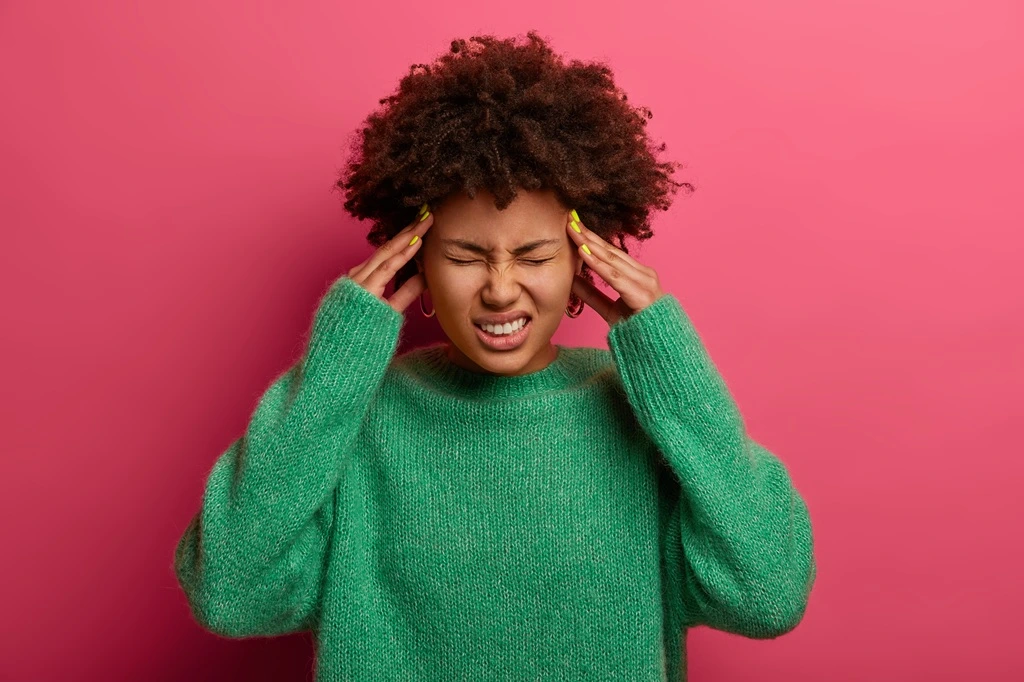
A new diagnosis. An unexpected symptom. A change in physical ability. Seeing someone your own age become seriously ill. Or losing a parent or loved one.
These moments can force people to think differently about their own health and mortality. But experts say they don’t have to become reasons for fear. They can also become opportunities to make meaningful changes that support healthier aging.
A Health Scare Can Make Aging Feel Real
Most people don’t spend every day thinking about their chronological age.
How old we feel can also be very different from the number on our driver’s license.
According to the survey of 1,000 U.S. adults, only 29% said milestone birthdays make aging feel urgent.
A health-related event was much more likely to trigger those thoughts.
About 45% said a new health event, such as an injury, symptom or abnormal test result, made them think more seriously about aging.
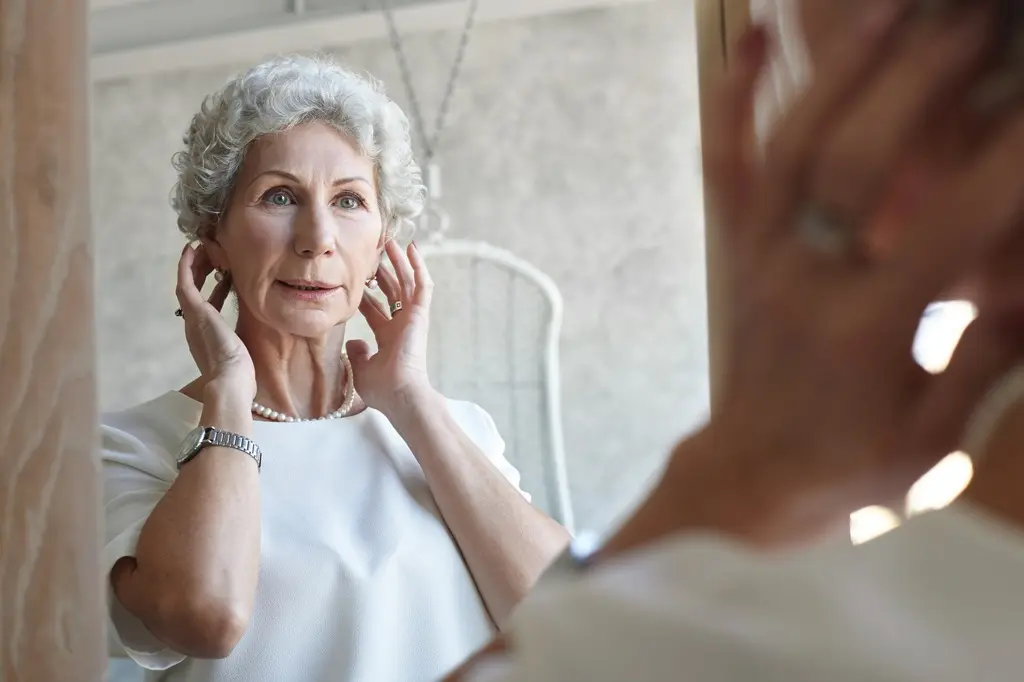
Other common triggers included seeing themselves in a mirror or photographs, reported by 31% of respondents, while 30% said significant changes in how they felt from day to day made aging more noticeable.
Another 26% pointed to a doctor’s visit.
Physical Changes Can Change Our Perspective
Changes in energy, mobility, strength or independence can be especially powerful reminders that the body changes over time.
For some people, an experience that once seemed temporary can suddenly feel like a preview of what aging might bring.
That can create anxiety.
But noticing a change doesn’t automatically mean that decline is inevitable.
It can instead be a reason to pay closer attention to health and consider what can be done now to preserve strength, mobility and independence.
Watching Someone Your Age Get Sick Can Be a Wake-Up Call
Aging can also become personal when people see someone their own age experience a serious illness.
About 33% of survey respondents said seeing a person around their age become seriously ill made them think about aging.
The experience can create an uncomfortable realization: health changes aren’t reserved for some distant future.
For some people, that realization can inspire healthier choices.
For others, it can create fear or encourage them to avoid thinking about aging altogether.
Both reactions are understandable.
The challenge is finding a way to acknowledge those feelings without allowing them to control the conversation.
Losing a Loved One Can Change How We Think About Aging
The death or serious illness of an older relative can also make aging feel more immediate.
About 26% of respondents said an older family member developing a health condition or passing away made aging feel more urgent.
Grief can naturally bring questions about mortality, family history and personal health.
Major life changes can have a similar effect.
They can make people reflect on where they are in life, what they want from the years ahead and what kind of health they hope to maintain.
Not Every Aging Trigger Has to Be Negative
Interestingly, aging isn’t only brought into focus by difficult experiences.
Positive milestones can also change how people view getting older.
Marriage, the birth of a child, a career transition, retirement or other major experiences can highlight the opportunities that come with having more life experience.
That distinction matters.
If aging is viewed exclusively through the lens of illness, loss and physical decline, getting older can become something to fear.
If it is viewed as a combination of challenges and opportunities, the picture becomes more complicated—and potentially more hopeful.
Your Attitude Toward Aging May Matter
Researchers have explored how people’s beliefs about aging influence their health and well-being.
Research led by Yale School of Public Health professor Becca Levy has found associations between more positive views of aging and better physical and cognitive outcomes among older adults.
That doesn’t mean simply thinking positively can prevent disease or stop the aging process.
Rather, attitudes can influence behavior, motivation, stress and how people respond to changes in their health.
Fear Isn’t Always the Best Motivator
Concerns about aging can sometimes motivate healthy behavior.
But constant anxiety about getting older can also become counterproductive.
Some people may respond to fear by trying extreme diets, purchasing expensive supplements or obsessing over every health measurement.
Others may do the opposite and avoid thinking about their health altogether.
Neither extreme is necessarily helpful.
A more productive approach is to acknowledge the concern and ask what practical action can be taken.
Many People Avoid Thinking About Aging
The survey found that 63% of respondents sometimes actively avoid thinking about aging.
That is understandable.
Aging can raise difficult questions about health, independence, appearance, mortality and the loss of people we love.
But avoiding the subject doesn’t make those issues disappear.
Instead, experts recommend using moments of reflection as opportunities to focus on things that can actually be influenced.
Turn an Aging Wake-Up Call Into a Healthier Habit
A diagnosis, loss or unexpected health change can leave people feeling overwhelmed.
The first step doesn’t have to be a complete lifestyle transformation.
It can be one manageable decision.
Start With Movement
Physical activity is one practical place to begin.
You don’t need to train for a marathon or immediately sign up for an intense fitness program.
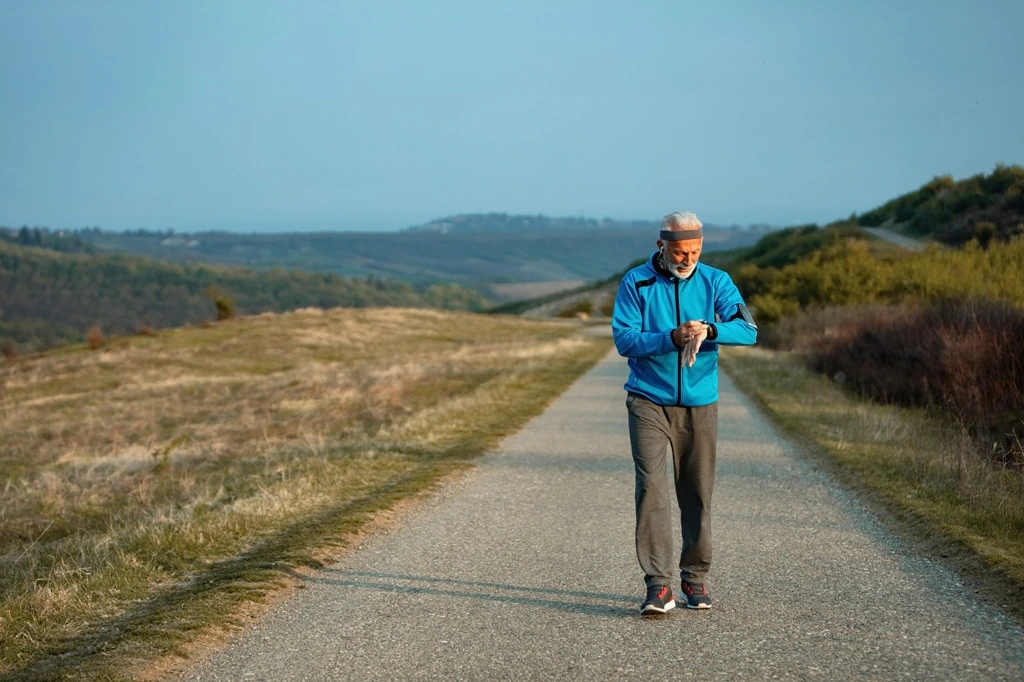
A short walk can be enough to start building momentum.
Try walking for 20 minutes with a friend, taking a brief walk after dinner or simply adding more movement to an otherwise sedentary day.
Over time, small increases can become a regular routine.
Make Social Connection Part of Your Health Routine
Health isn’t only about what happens inside the body.
Social relationships and meaningful connections can also contribute to overall well-being.
Instead of thinking of exercise as something you have to do alone, invite a friend or family member to join you.
A regular walk can become both physical activity and social time.
That makes the habit more enjoyable and potentially easier to maintain.
Spend More Time Outdoors
Getting outside can be another simple way to make healthy activity more appealing.
A walk through a neighborhood, visit to a park or time spent outdoors with friends can combine movement, social interaction and a change of scenery.
The best routine is often the one that doesn’t feel like punishment.
Make Healthy Choices Easier to Follow
Motivation isn’t always the problem.
Sometimes the environment makes healthy behavior inconvenient.
If your walking shoes are buried in a closet, going for a walk requires an extra step before the walk even begins.
Putting them somewhere visible can serve as a simple reminder.
The same principle can apply to other habits.
Keep healthier foods easy to reach. Put exercise equipment where you can see it. Schedule time with friends. Keep important health appointments on your calendar.
Small environmental changes can remove some of the friction that prevents good intentions from becoming habits.
Focus on What You Want Aging to Look Like
One of the most useful questions may not be how to avoid aging.
Instead, ask what you want your life to look like as you get older.
Do you want to remain mobile?
Travel?
Play with your grandchildren?
Continue working?
Spend time outdoors?
Maintain independence?
Stay socially connected?
The answer can help determine which habits deserve attention today.
About 80% of survey respondents said feeling good as they age is a motivating goal.
That may be a more useful target than obsessing over a particular number of years.
Aging Doesn’t Have to Be a Countdown
Aging is unavoidable, but how we approach it doesn’t have to be defined by fear.
A health scare, difficult diagnosis or loss can make mortality feel closer than it did before. Those moments can hurt, and it’s important to give yourself room to process them.
But they can also prompt a valuable question:
What can I do today to support the health and life I want tomorrow?
That might mean walking more, improving your diet, strengthening relationships, getting enough sleep or staying current with appropriate preventive care.
It doesn’t have to mean buying the latest longevity product.
The Bottom Line
Most people don’t suddenly start thinking about aging because they blow out another birthday candle.
They start thinking about it when life makes aging feel personal.
Those moments can be frightening, but they can also be turning points.
Instead of letting fear drive extreme health decisions—or avoiding the subject altogether—use the wake-up call to make one small, realistic change.
Healthy aging isn’t about stopping time.
It’s about making the most of the time you have.
Explore More About Longevity
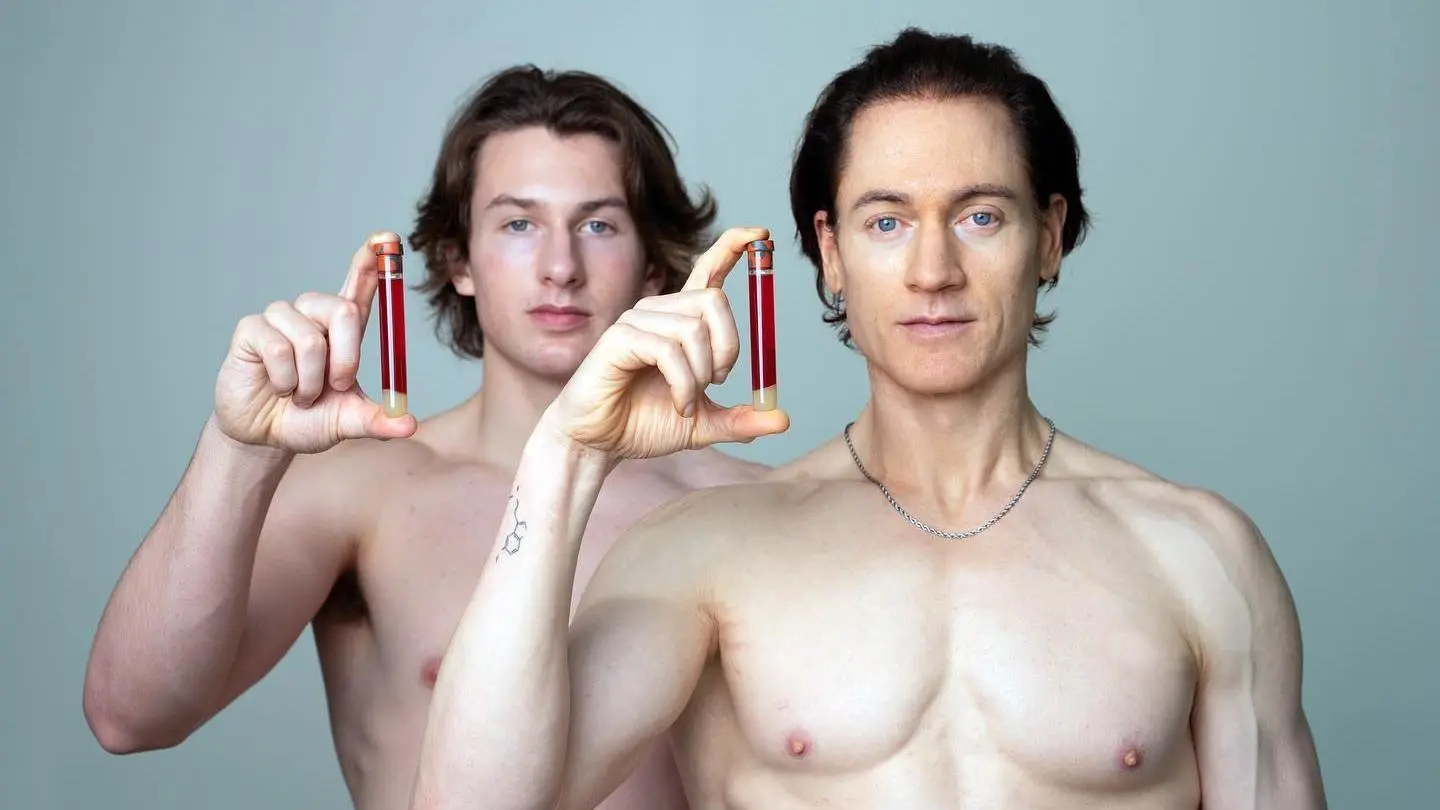
If you’re interested in the bigger conversation surrounding aging, health and longevity, check out RAVOKE’s new series Reversed Longevity.
The series explores unconventional perspectives on health and longevity and looks at some of the ideas challenging today’s mainstream wellness conversation.
Watch the film and explore the series here: RAVOKE — Reversed Longevity