




7 Ways to Fight Wrinkles: What Really Works to Keep Your Skin Looking Healthy as You Age
Wrinkles are a natural part of getting older, but that does not mean you have to sit back and watch your skin change without taking action. From fine lines around


Wrinkles are a natural part of getting older, but that does not mean you have to sit back and watch your skin change without taking action. From fine lines around the eyes to deeper creases across the forehead and mouth, the visible signs of aging are influenced by much more than time alone.
Sun exposure, smoking, pollution, sleep habits, nutrition, stress and everyday skincare choices all play a role in how skin ages. While no cream, supplement or treatment can stop the clock, research shows there are practical ways to help protect skin, support its natural repair processes and reduce the appearance of wrinkles.
The beauty industry often promotes expensive products and dramatic promises. But some of the most effective strategies are surprisingly straightforward. Consistency, sun protection and a few evidence-based skincare ingredients can make a meaningful difference over time.
Here are seven ways to help fight wrinkles while supporting healthier skin at every age.
1. Make Sunscreen a Daily Habit
If there is one step dermatologists consistently emphasize when it comes to preventing premature skin aging, it is sun protection.
Ultraviolet radiation from the sun damages collagen and elastin, the proteins that help skin remain firm, flexible and smooth. Over time, repeated exposure can contribute to wrinkles, uneven pigmentation, rough texture and loss of elasticity. This process is known as photoaging.
The challenge is that sun damage accumulates. A few minutes outside may not seem significant, but years of everyday exposure can add up.
A broad-spectrum sunscreen with SPF 30 or higher helps protect against both UVA and UVB rays. UVA rays are particularly associated with premature skin aging, while UVB rays are a major cause of sunburn. Both contribute to skin damage.
Apply sunscreen to the face, neck, ears and other exposed areas every morning. Reapply at least every two hours when outdoors, and more often after swimming or sweating. Hats, sunglasses, protective clothing and shade provide additional protection.
Sunscreen is not simply a summer product. UV exposure occurs throughout the year, including on cloudy days.
The takeaway: A consistent sunscreen routine is one of the most effective ways to help prevent new wrinkles and protect the skin you already have.
2. Consider Retinol and Retinoids
Retinol has become one of the most widely discussed ingredients in anti-aging skincare, and for good reason. It belongs to a family of compounds called retinoids, which are derived from vitamin A.
Retinoids can help increase skin cell turnover, improve skin texture and stimulate collagen production. With regular use, certain retinoids can reduce the appearance of fine lines, uneven pigmentation and roughness.
Over-the-counter retinol products are generally milder than prescription retinoids. Prescription tretinoin has been studied extensively for photoaged skin and may produce more noticeable improvements, although it can also cause irritation.
The key is to start slowly. Applying a small amount two or three nights per week can help the skin adjust. A moisturizer may reduce dryness and irritation. If the skin tolerates the product, frequency can gradually increase.
Retinoids are not right for everyone. They can cause redness, peeling, dryness and increased sensitivity, particularly when first introduced. People who are pregnant or planning pregnancy should avoid topical retinoids unless their healthcare professional advises otherwise.
The takeaway: Retinol can be a useful part of an anti-aging routine, but patience matters. Improvements generally take weeks or months, not days.
3. Keep Skin Hydrated Inside and Out
Dry skin can make fine lines appear more noticeable. Hydration will not erase deeper wrinkles, but it can temporarily improve the appearance of the skin by helping it look smoother and more supple.
A good moisturizer helps reduce water loss and supports the skin barrier. Ingredients worth looking for include:
- Hyaluronic acid: Helps attract and retain water in the skin.
- Ceramides: Help support the skin’s protective barrier.
- Glycerin: Draws moisture into the outer layers of the skin.
- Petrolatum: Helps prevent water loss, particularly in dry areas.
Drinking enough water is important for overall health, but there is limited evidence that drinking extra water beyond normal hydration requirements directly removes wrinkles. The goal is to avoid dehydration and maintain healthy habits rather than assume that more water automatically means younger-looking skin.
A gentle cleanser and moisturizer can also help prevent the dryness and irritation that sometimes come from aggressive skincare routines.
The takeaway: Hydration supports healthier-looking skin, but it should be viewed as one part of a broader approach rather than a wrinkle treatment on its own.
4. Eat for Skin Health
What happens inside the body can influence what happens on the outside. Skin needs protein, essential fats, vitamins, minerals and other nutrients to maintain its structure and repair everyday damage.
A balanced eating pattern built around vegetables, fruit, beans, whole grains, nuts, seeds, fish and other nutrient-rich foods can provide many of the building blocks skin needs.
Some nutrients deserve particular attention:
- Vitamin C: Supports collagen production and acts as an antioxidant. Citrus fruits, berries, peppers and broccoli are good sources.
- Vitamin E: Helps protect cells from oxidative damage. Nuts, seeds and certain vegetable oils contain vitamin E.
- Protein: Supplies amino acids needed to build and maintain skin structure. Fish, eggs, poultry, beans, lentils and dairy products can contribute.
- Omega-3 fatty acids: Found in fatty fish, walnuts and flaxseed, these fats support normal cell function and help regulate inflammatory processes.
- Carotenoids: Found in colorful vegetables such as carrots, sweet potatoes and leafy greens, these compounds have antioxidant properties.
No single food can prevent wrinkles, and there is no established diet that reverses skin aging. However, a nutrient-rich eating pattern supports general health and may help the skin maintain its normal functions.
Be cautious about supplements marketed as collagen boosters or anti-aging solutions. Some studies suggest collagen supplements may modestly improve skin hydration or elasticity, but research varies in quality, and the long-term benefits remain uncertain. Supplements should not replace a balanced diet or proven sun protection.
The takeaway: Think of nutrition as long-term support for skin health, not a quick cosmetic fix.
5. Stop Smoking and Limit Excessive Alcohol
Smoking is one of the lifestyle factors strongly associated with premature skin aging. Chemicals in tobacco smoke contribute to oxidative stress and damage the structures that help skin remain firm. Smoking also affects blood vessels and can reduce the delivery of oxygen and nutrients to the skin.
Over time, these effects can contribute to deeper wrinkles, particularly around the mouth and eyes. Quitting smoking benefits far more than appearance: it also reduces the risk of heart disease, stroke, lung disease and several cancers.
Alcohol deserves attention as well. Heavy or frequent drinking can contribute to dehydration, disrupt sleep and negatively affect overall health. While the direct relationship between alcohol and wrinkles is less clearly established than the relationship with smoking and sun exposure, limiting alcohol is a sensible part of a skin-conscious lifestyle.
There is no skincare product that can fully compensate for the ongoing effects of smoking.
The takeaway: Avoiding tobacco and limiting alcohol can support healthier skin while delivering important benefits throughout the body.
6. Prioritize Sleep and Manage Stress
Skin does not stop working when you go to bed. Sleep is an important period for the body to carry out repair and maintenance processes. Consistently poor sleep can affect the skin’s appearance, contribute to inflammation and leave the face looking tired.
Adults generally need seven to nine hours of sleep each night, although individual needs vary. A consistent bedtime, a cool and comfortable bedroom, reduced screen exposure before bed and limiting late-day caffeine can help improve sleep habits.
Stress also affects the body in multiple ways. Prolonged stress can influence inflammatory responses, sleep quality and behaviors that affect skin health. Some people notice more skin irritation or flare-ups during stressful periods.
Exercise, walking, relaxation techniques, time outdoors and maintaining social connections can help support stress management.
Sleep position may contribute to temporary sleep lines, and repeated pressure on the face may be a factor in some wrinkles. However, there is limited evidence that special pillows or sleeping positions can meaningfully prevent facial aging. Improving sleep quality is more important than worrying about every line that appears in the morning.
The takeaway: Good sleep and stress management are not substitutes for skincare, but they support the body’s overall ability to maintain healthy skin.
7. Choose Professional Treatments Carefully
For people who want to address wrinkles that are already visible, professional treatments may offer more noticeable results than over-the-counter skincare products.
The right option depends on skin type, the depth and location of wrinkles, medical history, budget and personal expectations.
Some commonly used treatments include:
Chemical peels: These treatments use carefully selected chemical solutions to remove outer layers of skin. Depending on the strength and formulation, they may improve fine lines, uneven pigmentation and skin texture.
Laser treatments: Certain lasers stimulate collagen production or remove damaged outer layers of skin. Results and recovery time vary depending on the technology and treatment intensity.
Microneedling: This procedure uses tiny needles to create controlled micro-injuries that stimulate the skin’s repair response. It may improve texture and the appearance of some fine lines and scars.
Botulinum toxin injections: These treatments temporarily relax selected facial muscles. They are commonly used for expression-related lines, such as forehead lines and crow’s feet.
Dermal fillers: Certain fillers can restore volume in areas where age-related changes have created deeper folds or a hollow appearance. They do not treat every type of wrinkle and carry risks, including uncommon but serious complications.
These procedures should be performed by appropriately qualified, licensed medical professionals. People considering treatment should discuss potential side effects, recovery, realistic outcomes and the provider’s experience before proceeding.
Be especially cautious of heavily discounted injections, unlicensed providers and treatments promoted through social media without clear medical oversight. A procedure being popular does not automatically make it safe or appropriate.
The takeaway: Professional treatments can help, but the safest approach begins with a qualified provider, realistic expectations and a clear understanding of the risks.
What About Expensive Anti-Aging Creams?
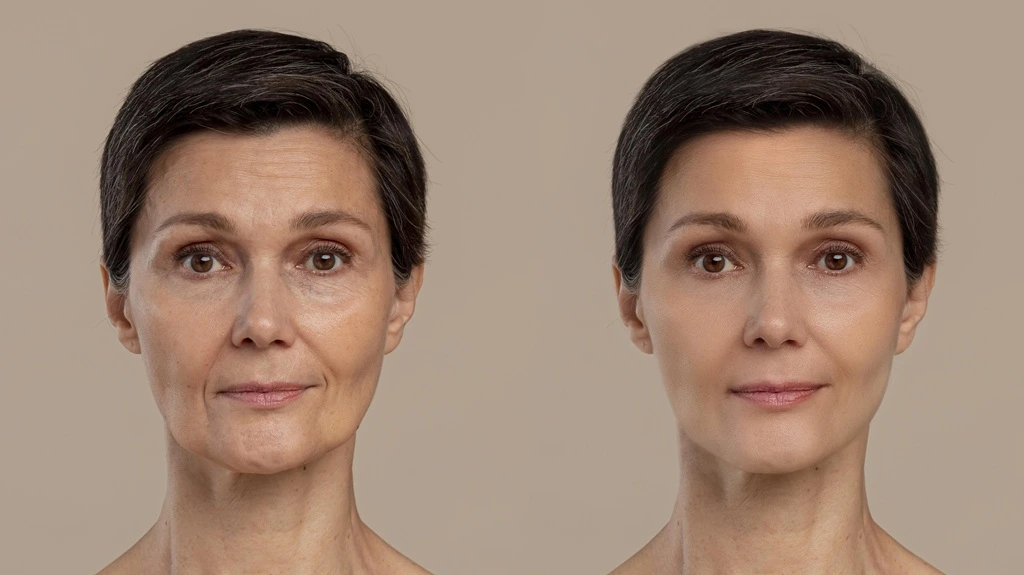
The price of a skincare product does not necessarily reflect how well it works. Some affordable moisturizers and sunscreens contain ingredients that are more useful than expensive products built around vague promises.
When evaluating an anti-aging product, look beyond packaging and marketing language. Check the active ingredients, concentration where disclosed, product formulation and whether there is credible evidence supporting the claims.
A basic routine may be enough for many people:
- Morning: Gentle cleanser, moisturizer and broad-spectrum SPF 30 or higher.
- Evening: Gentle cleanser, a suitable retinoid if appropriate, and moisturizer.
Vitamin C serum may be an additional option for people looking to address uneven pigmentation and support antioxidant protection. However, introducing too many active ingredients at once can irritate the skin. A simple routine used consistently is often a better starting point than a cabinet full of products.
If you have sensitive skin, rosacea, eczema or another skin condition, a dermatologist can help identify products that are less likely to cause irritation.
When Wrinkles May Be More Than a Cosmetic Concern
Most wrinkles are a normal part of aging. However, changes in the skin should not automatically be dismissed as cosmetic.
A new or changing spot, a sore that does not heal, a growth that bleeds, or a lesion that changes in size, shape or color should be evaluated by a healthcare professional. These changes may have nothing to do with wrinkles, but they can be warning signs of skin cancer or another skin condition.
Regular skin checks and prompt attention to unusual changes are important, particularly for people with significant sun exposure or a history of skin cancer.
The Bottom Line: Healthy Skin Is About More Than Looking Younger
Wrinkles are part of being human. They reflect years of facial expressions, environmental exposure and the natural changes that happen as the body ages. The goal should not be to eliminate every line, but to protect skin, maintain its health and make informed choices about treatments.
Daily sunscreen, appropriate retinoids, good hydration, balanced nutrition, avoiding tobacco, quality sleep and carefully selected professional treatments can all play a role.
The most effective approach is rarely the most complicated or expensive. It is the one that is safe, evidence-based and consistent enough to become part of everyday life.
Aging is unavoidable. How we care for our skin along the way is something we can influence.
Medical Disclaimer: This article is for general informational and educational purposes only and is not a substitute for professional medical advice, diagnosis or treatment. Skincare products and procedures may not be appropriate for everyone. Consult a qualified healthcare professional or dermatologist before starting a new treatment, particularly if you have a skin condition, are taking medication, are pregnant or are considering a cosmetic procedure.