




Why Talking About Poop Could Save Lives: Breaking the Silence on Colorectal Cancer
Written by Ravoke News Desk for Ravoke.com The Dangerous Cost of Silence Around Colorectal Cancer For many families, certain health topics remain off-limits—and colorectal cancer is often one of them.


Written by Ravoke News Desk for Ravoke.com
The Dangerous Cost of Silence Around Colorectal Cancer
For many families, certain health topics remain off-limits—and colorectal cancer is often one of them. That silence can have serious consequences.
Rick Rivers didn’t learn that his grandfather died from colorectal cancer until after he received his own diagnosis at just 31 years old. In his family, conversations about chronic illnesses like diabetes were common, but anything involving the digestive system was avoided.
That discomfort isn’t unusual. Issues involving the colon or bowel movements are often seen as embarrassing, which leads many people to ignore symptoms or avoid discussions altogether. Unfortunately, that hesitation can delay diagnosis and reduce survival chances.
Rising Rates Among Younger Adults
Colorectal cancer is no longer considered a disease that primarily affects older adults. Rates have been steadily climbing in people under 50, and it is now one of the leading causes of cancer-related deaths in younger populations.
Recent data highlights the urgency:
- Cases in adults under 50 have increased by nearly 2% annually over the past decade
- About 1 in 5 new colorectal cancer diagnoses now occur in people younger than 55
- Nearly 75% of young patients are diagnosed at later stages, when treatment becomes more difficult
- Black Americans face about a 20% higher incidence rate and a 40% higher mortality rate compared to other groups
These numbers point to a troubling trend—especially because this type of cancer is highly preventable.
Prevention Is Possible—but Only If People Act Early
Unlike many cancers, colorectal cancer often develops slowly over several years. It typically begins as small growths called polyps, which can be detected and removed before they become cancerous.
Routine screenings play a critical role. Options include:
- Colonoscopies
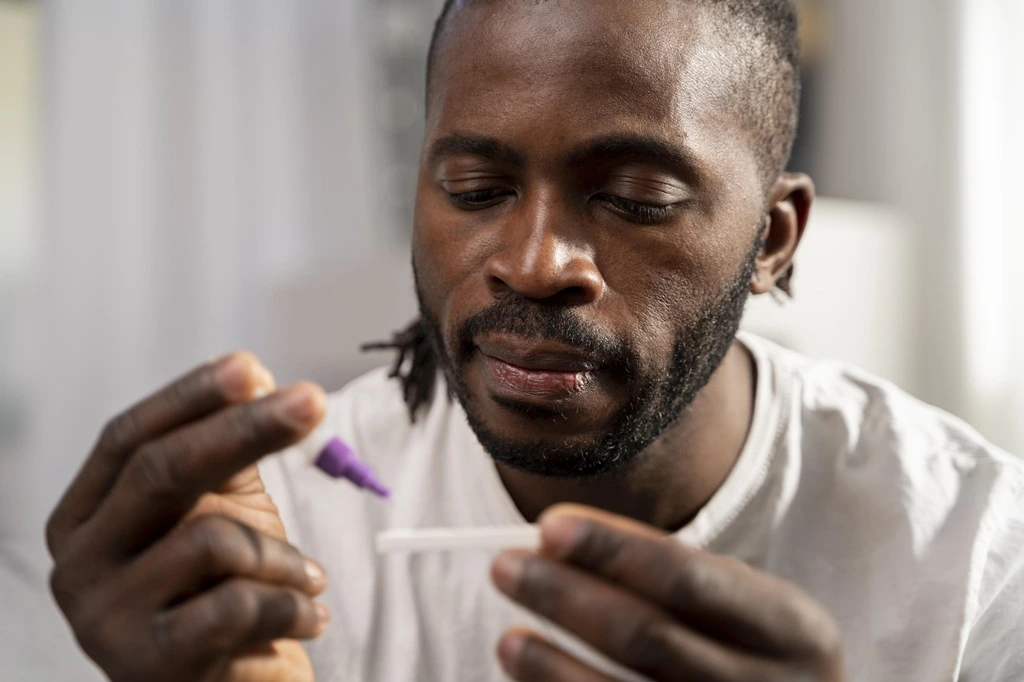
- At-home stool-based tests like FIT
- DNA-based screening tests
When caught early, the survival rate for colorectal cancer is around 90%. But once it spreads, that number drops significantly.
Why People Avoid Screening
Despite effective screening tools, many people delay or skip testing. The reasons vary:
- Lack of awareness about symptoms
- Insurance limitations for those under 45
- Busy lifestyles and competing priorities
- Embarrassment or discomfort discussing bowel health
This stigma is especially strong among adults in their 30s and 40s, who are less likely to openly talk about digestive symptoms like blood in stool or changes in bowel habits.
10 Important Facts About Colorectal Cancer
- It’s one of the most common cancers worldwide
Colorectal cancer ranks among the top three most diagnosed cancers globally, affecting both men and women. - Cases are rising in younger adults
While overall rates have declined in older adults, diagnoses in people under 50 have been increasing steadily over the past decade. - It often develops slowly
Most colorectal cancers begin as noncancerous polyps that can take 10–15 years to turn into cancer, offering a long window for detection. - Early detection dramatically improves survival
When caught early, the 5-year survival rate is about 90%, but it drops significantly once the cancer spreads. - Symptoms can be subtle or ignored
Common warning signs include blood in stool, persistent abdominal discomfort, unexplained weight loss, and changes in bowel habits. - Screening can prevent cancer entirely
Removing precancerous polyps during a colonoscopy can stop cancer before it starts. - Screening is recommended starting at age 45
Average-risk adults are advised to begin regular screenings at 45, though those with risk factors may need earlier testing. - Lifestyle plays a major role
Diets high in processed meat, low physical activity, smoking, heavy alcohol use, and obesity all increase risk. - Family history increases risk
Having a close relative with colorectal cancer can double or even triple your chances of developing the disease. - It disproportionately affects certain groups
Black Americans have higher incidence and mortality rates compared to other populations, highlighting ongoing healthcare disparities.
The Screening Gap for Younger Adults
Guidelines in the U.S. generally recommend routine colorectal cancer screening starting at age 45. That leaves a gap for younger individuals who may already be experiencing symptoms.
For those under 45:
- Screenings may not be fully covered as preventive care
- Tests are often classified as “diagnostic,” leading to out-of-pocket costs
- Patients may need to strongly advocate for themselves to get tested
Health experts emphasize that anyone with symptoms or a family history should push for screening regardless of age.
The Power of Speaking Up
Advocates say one of the simplest—and most effective—solutions is to normalize conversations about digestive health.
Rick Rivers, now cancer-free after years of treatment and multiple surgeries, has made it his mission to encourage others to speak openly about screening. He approaches the topic thoughtfully, tailoring conversations to what matters most to each person.
Whether it’s staying healthy for the family, maintaining an active lifestyle, or simply avoiding serious illness, connecting the message to personal priorities makes people more receptive.
Changing the Conversation Can Save Lives
Breaking the stigma around “poop talk” might seem trivial, but it could be a life-saving shift. Open conversations lead to earlier testing, faster diagnoses, and better outcomes.
Colorectal cancer is one of the few cancers where prevention is truly within reach. But that only happens when people are willing to speak up, listen to their bodies, and take action early.
The message is simple: ignoring symptoms won’t make them disappear—but talking about them might just save your life.