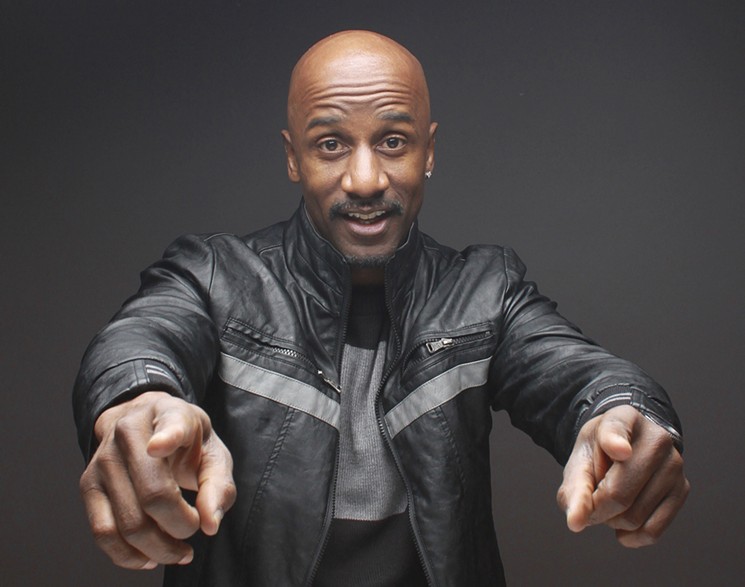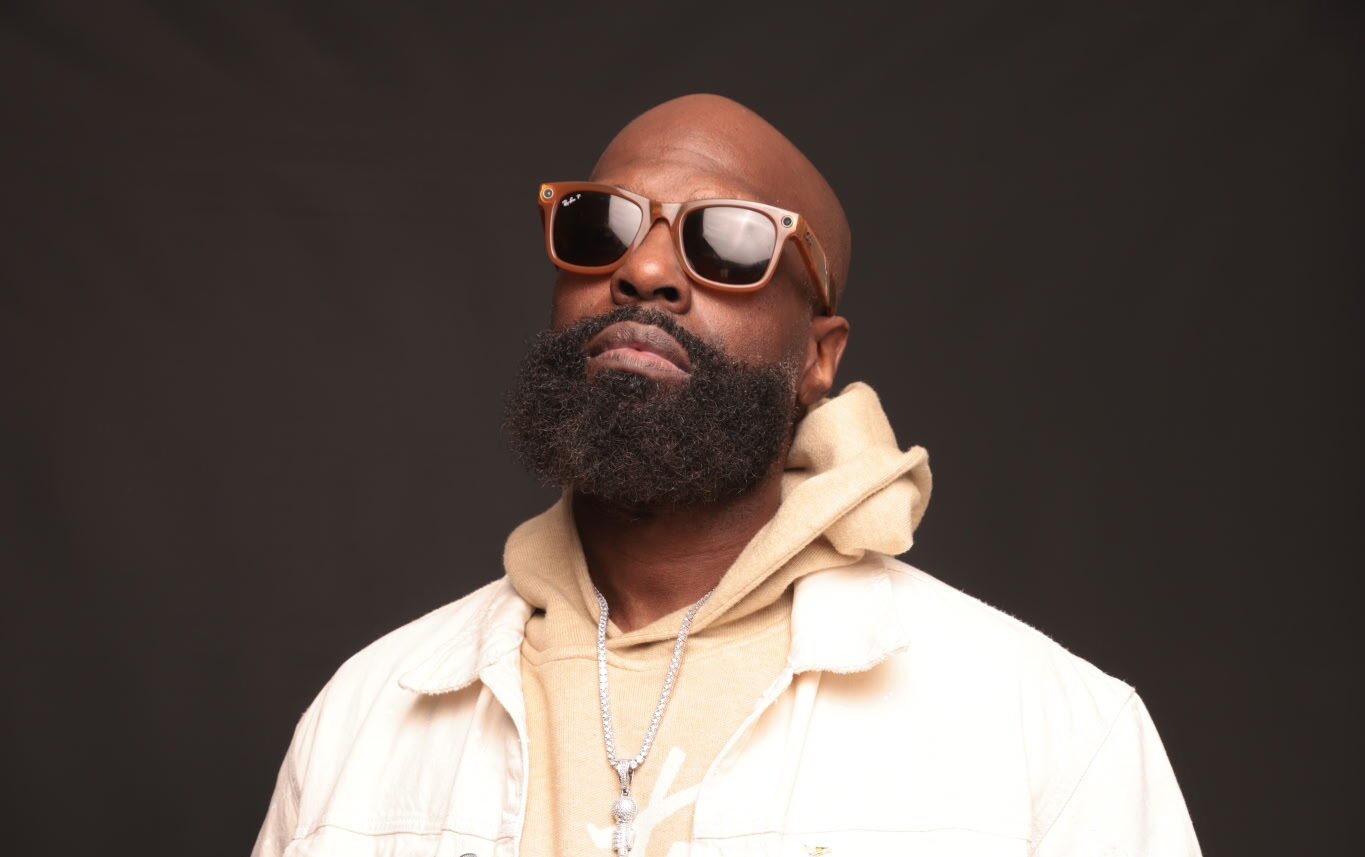





Breaking the Silence: Why Stories Like Evan Whitehead’s Matter Now More Than Ever
A Personal Reflection on Brotherhood, Healing, and the Mental Health Crisis in the Black Community By Charles Mattocks for Ravoke.com The mental health crisis in the Black community is no
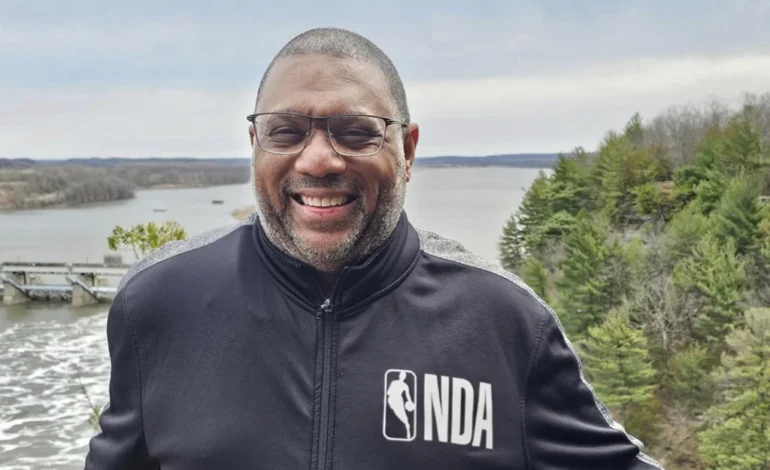

A Personal Reflection on Brotherhood, Healing, and the Mental Health Crisis in the Black Community
By Charles Mattocks for Ravoke.com
The mental health crisis in the Black community is no longer something we can afford to whisper about. It is urgent, it is real, and it is claiming lives in silence. Studies continue to show that Black Americans are significantly less likely to receive mental health treatment, yet more likely to experience prolonged psychological distress. Suicide rates among Black youth have risen at alarming rates over the past decade, and stigma remains one of the greatest barriers to care.
But statistics alone don’t move people—stories do.
I first met Evan Whitehead a few years ago while working on a mental health series. From the very beginning, I was struck by his authenticity and his passion. Here was a man who had walked through fire—addiction, trauma, and the very real edge of losing his life—and came back not just surviving, but committed to helping others do the same.
Over time, we built a bond. Though we’ve never met in person, I consider him a dear brother. And I don’t use that word lightly.
When Finding Help Feels Impossible
As a Black man, I know firsthand how difficult it can be to find the right support. Whether it’s a therapist, a coach, or even just someone who understands, the process can feel isolating. There’s a cultural weight—an unspoken expectation to endure, to “push through,” to carry burdens quietly.
There were moments when I found myself searching for someone to talk to, someone who could meet me where I was without judgment. Evan became that person. Not because he had all the answers, but because he had lived through some of the same struggles. There’s a different kind of comfort in that—something real, something unfiltered.
He made it easier to speak. And sometimes, that’s where healing begins.
Spotlight on a Voice That’s Breaking Through
Today, Evan is stepping into his purpose in a bigger way. His short-form video clips are gaining traction daily, and it’s clear there’s no slowing him down. I’ve been watching this unfold with a sense of pride—not just in what he’s doing, but in what it represents.
I didn’t want to write a long, drawn-out feature. This is about visibility. It’s about making sure people know that someone like Evan exists.
Because someone out there needs him.
The Power of the 3Bs: Balance, Boundaries, and Breaks
Evan Whitehead is the creator of the 3Bs: Balance, Boundaries, and Breaks™️—a mental health framework born from his own lived experience in 2019. It’s simple in concept, but powerful in practice. It speaks to sustainability, self-respect, and the necessity of rest—principles that are often overlooked, especially in communities conditioned to survive rather than heal.
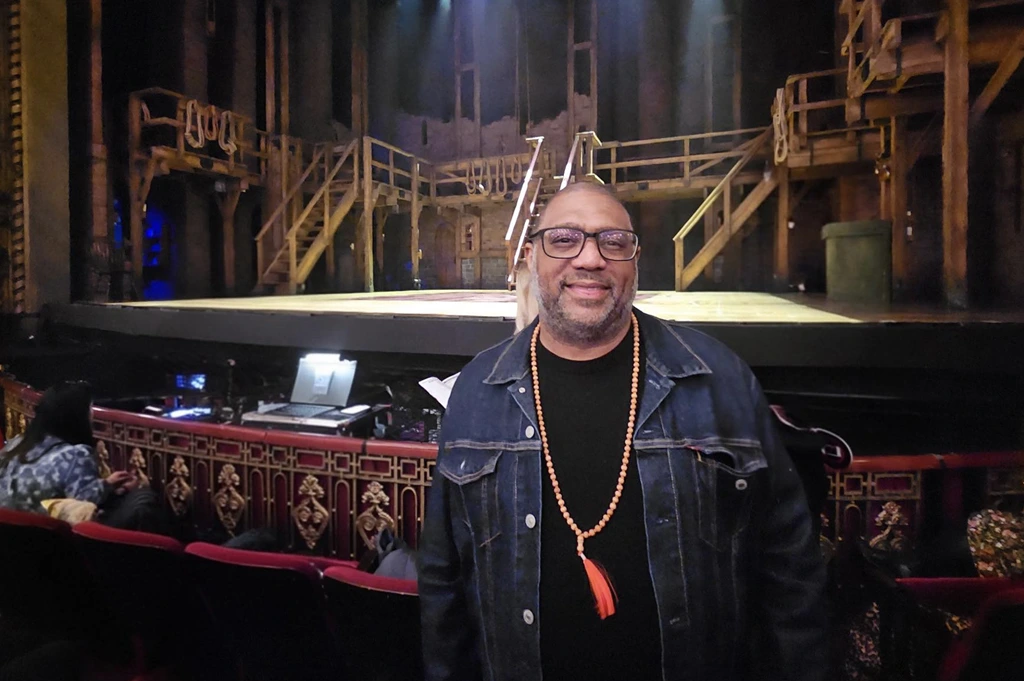
Evan is more than an advocate. He is an international education thought leader, a veteran school district administrator, consultant, author, and speaker. His work spans mental health, addiction recovery, suicide prevention, trauma advocacy, and educational equity. His voice has reached classrooms, conferences, and communities across the country and beyond.
His message has even resonated in mainstream culture. Multi-platinum artist Saweetie has publicly embraced the 3Bs, sharing the framework with her audience and bringing it into broader conversations. Influential figures like Mary J. Bligeand Kelly Rowland have also been part of amplifying this shift toward intentional wellness.
Evan’s work has been featured in major publications including People Magazine, Essence Magazine, Vibe Magazine, and The Source Magazine—but beyond recognition, what matters most is impact.
From the Edge to Empowerment
What makes Evan’s story powerful isn’t just where he is now—it’s where he came from. This is a man who once stood at the brink of ending his life, and today, he is sending his son off to college, building a career, and inspiring others to keep going.
That kind of transformation doesn’t just happen. It takes work, honesty, and support.
And that’s why advocates like Evan matter.
Why Advocacy Cannot Disappear
We are living in a time where advocacy feels like it’s fading—where performative awareness often replaces real, boots-on-the-ground work. But without advocates, who reaches the people that systems overlook? Who shows up when big campaigns don’t see the need?
Evan does.
And there are others like him—but not enough.
We cannot allow voices like his to go unheard. Because for every Evan who speaks, there are countless others still suffering in silence, unsure of where to turn.
A Simple Message with a Lifesaving Impact
This isn’t about creating a perfect narrative. It’s about sharing something real.
If you are struggling—mentally, emotionally, or spiritually—know that there are people out there who understand. People who have walked through darkness and found a way forward.
Evan Whitehead is one of them.
And sometimes, knowing that is enough to take the first step.
“We must change the narrative of martyrdom in our profession. As educators, we are compassionate, empathetic, givers and fixers by nature. We sometimes care more about those we serve than we care about ourselves.” — Evan Whitehead
The conversation around mental health in the Black community must continue—but more importantly, it must deepen. It must become personal. It must become actionable.
Because lives depend on it.
For more information on Evan visit: https://www.linkedin.com/in/evan-w-7a0a5442/ or FB https://www.facebook.com/evan.whitehead.794