





Mystery Hantavirus Outbreak at Sea Sparks Global Investigation
Written by Ravoke News Desk Overview of the Situation Health authorities are closely examining an unusual cluster of hantavirus infections connected to a cruise voyage, where nearly 150 passengers and

Written by Ravoke News Desk
Overview of the Situation
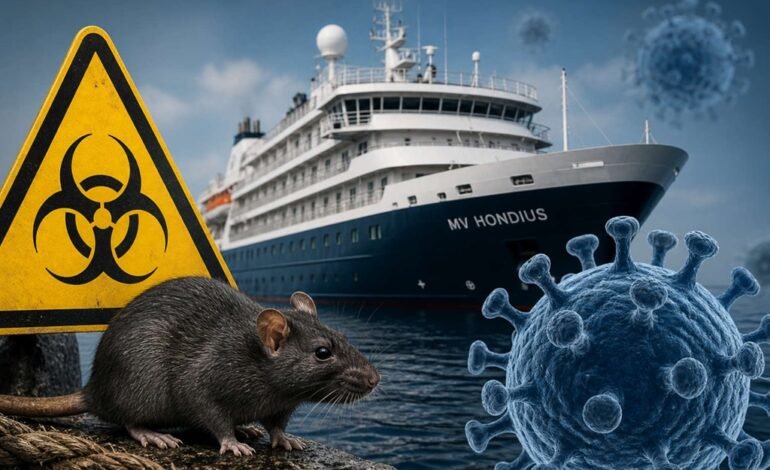
Health authorities are closely examining an unusual cluster of hantavirus infections connected to a cruise voyage, where nearly 150 passengers and crew members remain under quarantine. Experts warn that the number of cases could still rise because the virus has a long incubation period, meaning symptoms may not appear for up to eight weeks after exposure.
The World Health Organization (WHO) has suggested that most infections likely occurred before passengers boarded the ship. However, early findings indicate there may have been limited human-to-human transmission among individuals in very close contact, such as couples or those sharing cabins. This type of spread is extremely rare and is now a major focus of the investigation.
Current Case Numbers and Emergency Response
At present, two cases have been officially confirmed, with several more under investigation. Three people have died, one patient remains in intensive care, and others are experiencing mild to moderate symptoms.
The ship is currently docked off Cape Verde and is expected to continue to the Canary Islands. Medical teams have begun evacuating critically ill patients, while the remaining passengers will undergo testing, monitoring, and treatment before eventually being repatriated to their home countries.
Health agencies across multiple countries are coordinating efforts to trace contacts, monitor potential spread, and ensure proper containment procedures are followed.
Understanding How Hantavirus Spreads
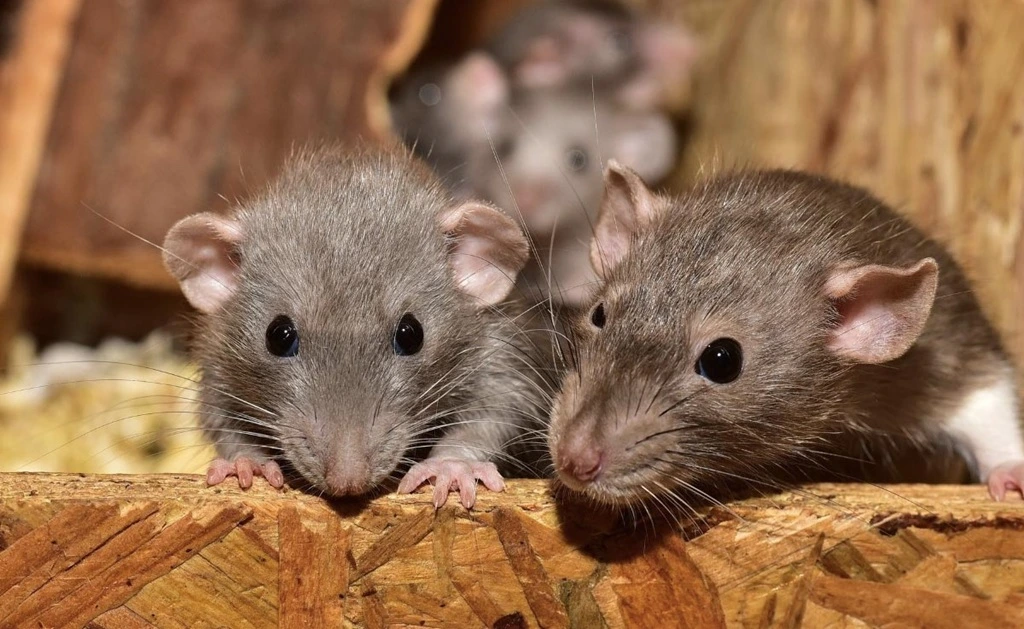
Hantavirus is typically transmitted from rodents to humans. The virus is present in rodent droppings, urine, and saliva, and infection occurs when contaminated particles become airborne and are inhaled.
Human infections are often linked to activities such as cleaning enclosed spaces, handling materials contaminated by rodents, or spending time in areas with high rodent populations. Seasonal increases in rodent activity, particularly in warmer months, can raise the risk of exposure.
Rare Possibility of Human Transmission
While most hantavirus strains cannot spread between people, a specific variant known as the Andes strain has shown the ability to transmit in rare circumstances. Even then, transmission usually requires prolonged, close contact involving bodily fluids.
Experts emphasize that this is not a virus that spreads easily through casual interaction. Unlike respiratory illnesses such as COVID-19 or influenza, hantavirus does not typically pass through coughing, sneezing, or brief contact.
Gaps in Scientific Knowledge
Despite decades of research, many aspects of hantavirus transmission remain unclear. Scientists still do not fully understand how much exposure is required to infect another person or why certain strains behave differently.
This uncertainty makes it more difficult to assess the true risk level in situations like the current outbreak. Researchers are now using this case to gather new data that could improve understanding of the virus.
No Specific Cure, Only Supportive Care
There is currently no targeted antiviral treatment or vaccine widely available for hantavirus. Medical care focuses on managing symptoms and supporting vital functions.
Severe cases often involve respiratory distress or cardiovascular complications, requiring oxygen therapy, intensive monitoring, and medications to stabilize blood pressure. Early medical intervention can significantly improve survival rates.
Timeline of Events on the Cruise
The cruise departed from Ushuaia, Argentina, in early April with passengers and crew on board. The journey included stops at remote islands and parts of Antarctica.
Within days of departure, one passenger reported symptoms including fever and headache. His condition worsened, and he later died. Additional cases began appearing over the following weeks, including among individuals who had close contact with earlier patients.
Investigators are examining whether the initial exposure occurred during shore excursions, possibly in areas where infected rodents were present, or if contaminated supplies were brought onto the ship.
Race to Identify the Virus Strain
One of the most critical steps in the investigation is identifying the exact strain of hantavirus involved. There are nearly 40 known strains worldwide, each with different characteristics and levels of severity.
Laboratories are currently conducting detailed genetic sequencing to determine the virus’s origin. Identifying the strain could reveal whether the outbreak is linked to a known variant capable of human transmission.
Why the Quarantine Remains in Place
Health officials say the continued quarantine is necessary to prevent further spread until more is understood. Even though hantavirus does not typically transmit easily between people, the unusual nature of this outbreak requires caution.
Passengers are being closely monitored for symptoms, and strict infection control measures are in place onboard.
Broader Public Health Implications
This incident has drawn global attention because it challenges existing assumptions about hantavirus transmission. If confirmed, even limited human-to-human spread could influence how future outbreaks are managed.
Public health experts stress that the general risk to the wider population remains low. However, the situation highlights the importance of surveillance, rapid response, and international cooperation in handling emerging infectious disease threats.
As investigations continue, scientists and health officials are working to answer key questions: where the virus originated, how it spread, and whether similar events could occur again. Until then, the quarantined ship remains a focal point in understanding one of the world’s rarest viral transmission scenarios.