


Measles Case in Manhattan Triggers Health Alert and Exposure Investigation
Written by Ravoke News Desk Confirmed Case in New York City Health officials in New York City are investigating a confirmed case of measles in Manhattan, prompting a public health

Written by Ravoke News Desk
Confirmed Case in New York City
Health officials in New York City are investigating a confirmed case of measles in Manhattan, prompting a public health response to track potential exposure. According to the city’s health department, the infected individual visited a restaurant in Hell’s Kitchen on April 25 during the early evening hours.
Authorities are working to identify and notify anyone who may have come into contact with the individual. So far, no additional cases linked to this exposure have been reported.
This marks the first confirmed measles case in Manhattan since 2024, though several travel-related cases have already been documented across New York City in 2026.
Possible Exposure at Restaurant
The exposure is believed to have occurred at Norma, a restaurant located in the busy Hell’s Kitchen neighborhood. Diners who were present at the time have been urged to monitor for symptoms and check their vaccination status.
Health officials emphasize that while measles is highly contagious, the overall risk to the general public remains low due to strong vaccination rates across the city.
What Is Measles?
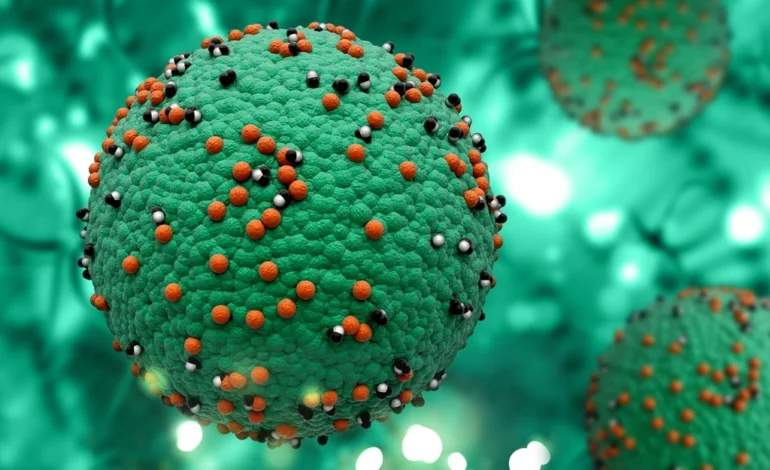
Measles is a highly contagious viral infection that spreads through respiratory droplets when an infected person coughs or sneezes. The virus can linger in the air and on surfaces for up to two hours, making it one of the most easily transmitted infectious diseases.
Symptoms typically appear 7 to 14 days after exposure and often begin with fever, cough, runny nose, and red, watery eyes. A distinctive rash usually follows, starting on the face and spreading downward across the body.
Who Is Most at Risk?
Certain groups face a higher risk of severe illness from measles. These include:
- Unvaccinated individuals
- Infants too young to receive the vaccine
- Pregnant women
- People with weakened immune systems
Unvaccinated adults and children are especially vulnerable during outbreaks, particularly in densely populated areas like New York City.
What Measles Does to the Body
Once inside the الجسم, the measles virus attacks the respiratory system and then spreads throughout the body. It can weaken the immune system, making patients more susceptible to secondary infections.
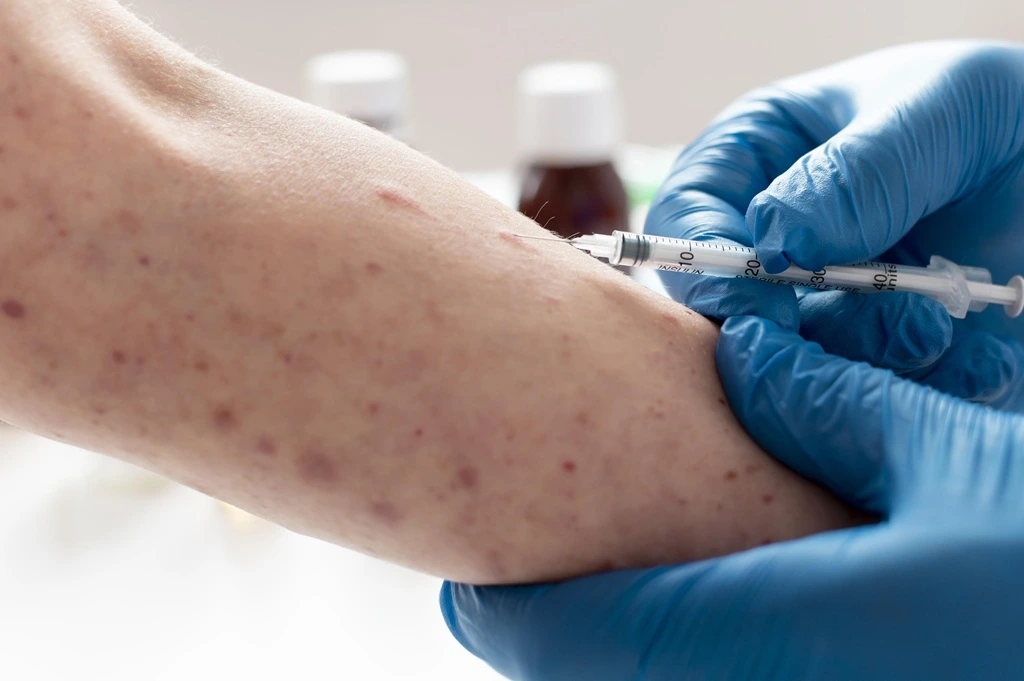
In some cases, measles can lead to serious complications such as pneumonia, brain swelling (encephalitis), and even death. Children under five and adults over 20 are more likely to experience severe outcomes.
Even after recovery, measles can have lasting effects by reducing the body’s ability to fight off other infections for weeks or months.
Vaccination Remains Key Protection
Health officials continue to stress that vaccination is the most effective way to prevent measles. The measles, mumps, and rubella (MMR) vaccine provides strong and long-lasting protection against the virus.
The current case serves as a reminder for residents to ensure their vaccinations are up to date, especially before traveling internationally or visiting crowded public spaces.
Recent Measles Activity in the Region
Before this Manhattan case, New York City had already recorded several measles infections in 2026, most linked to international travel. The most recent involved an unvaccinated adult.
In a separate development, officials in Nassau County reported that a child is also being treated for measles, raising additional concerns about the virus’s spread in the region.
Ongoing Monitoring and Public Health Response
The New York City Health Department is continuing its investigation using measles disease tracking systems to quickly identify any potential secondary infections. Individuals who may have been exposed are being contacted directly with guidance on monitoring symptoms and seeking medical care if needed.
While officials say there is no immediate cause for alarm, they are urging vigilance and reinforcing the importance of vaccination to prevent further cases.