


COPD: The Warning Signs You Should Never Ignore—and How to Protect Your Ability to Breathe
Breathing is something most of us take for granted. We wake up, walk across a room, climb a flight of stairs, laugh with friends, and go about our day without

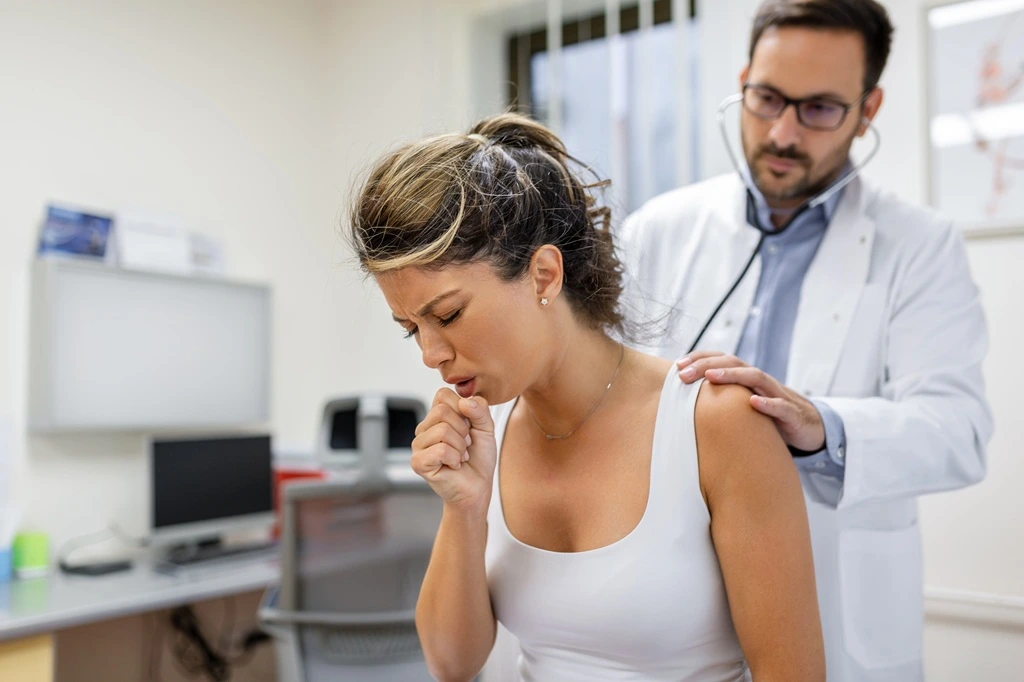
Breathing is something most of us take for granted. We wake up, walk across a room, climb a flight of stairs, laugh with friends, and go about our day without giving much thought to the work our lungs are doing. But for millions of people living with chronic obstructive pulmonary disease, better known as COPD, even the simplest activities can become exhausting.
Imagine having to stop halfway up a flight of stairs just to catch your breath. Or waking up every morning with a persistent cough, feeling as though your chest is tight and you can never quite get enough air. For someone with COPD, these experiences can become part of everyday life.
COPD is a serious, progressive lung disease that affects breathing and can gradually interfere with a person’s independence, relationships, work, and quality of life. Yet many people live with symptoms for years before seeking medical attention. Some dismiss a persistent cough as a normal consequence of aging or smoking. Others assume that getting winded easily is simply part of getting older.
The truth is that struggling to breathe should never be considered normal.
Although COPD cannot currently be cured, early diagnosis, appropriate treatment, lifestyle changes, and ongoing medical care can make a meaningful difference. Understanding the warning signs and knowing what steps to take can help people protect their lung health and maintain a more active life.
What Exactly Is COPD?
COPD stands for chronic obstructive pulmonary disease. It is an umbrella term for a group of lung conditions that cause persistent airflow obstruction, making it difficult to move air in and out of the lungs.
The two conditions most commonly associated with COPD are emphysema and chronic bronchitis. Many people have features of both.
Emphysema damages the tiny air sacs in the lungs, known as alveoli. These air sacs normally expand and contract as we breathe, allowing oxygen to enter the bloodstream and carbon dioxide to leave the body. When their walls become damaged, the lungs lose some of their natural elasticity. Air can become trapped, making it harder to breathe out fully.
Chronic bronchitis involves ongoing inflammation and irritation of the bronchial tubes, which carry air into and out of the lungs. The airways become swollen and produce excess mucus. This can lead to a persistent cough, congestion, and difficulty moving air.
Over time, these changes can make breathing increasingly difficult.
COPD usually develops gradually. A person may initially notice only a little breathlessness during exercise or an occasional cough. As the disease progresses, symptoms can become more frequent and interfere with everyday activities.
According to the Centers for Disease Control and Prevention, nearly 16 million adults in the United States have been diagnosed with COPD, and many more may have the condition without knowing it.
What Causes COPD?
Smoking is the leading cause of COPD in the United States, but it is important to understand that smoking is not the only cause. People who have never smoked can develop the disease, too.
COPD can result from years of exposure to substances that irritate and damage the lungs.
Some of the most common risk factors include:
Cigarette smoking: Long-term exposure to cigarette smoke damages lung tissue and irritates the airways. The longer a person smokes, the greater the risk. Secondhand smoke can also contribute to lung damage.
Air pollution: Long-term exposure to polluted air can irritate the respiratory system and contribute to the development or worsening of lung disease.
Workplace exposure: People who work around dust, chemicals, fumes, industrial materials, or other airborne irritants may face an increased risk, particularly when exposure occurs over many years.
Indoor air pollution: Smoke from cooking fires, wood-burning stoves, and other poorly ventilated heating sources can damage the lungs. This is an especially important consideration in some parts of the world.
Genetics: A condition called alpha-1 antitrypsin deficiency can increase the risk of developing COPD, sometimes at a younger age. Alpha-1 antitrypsin is a protein that helps protect lung tissue. When the body does not produce enough of it, the lungs may become more vulnerable to damage.
Asthma and early-life lung problems: A history of asthma, respiratory infections, or problems affecting lung development can also contribute to future risk.
Understanding these risk factors matters because COPD is not simply a disease that affects older smokers. It can affect people with different backgrounds, lifestyles, and exposure histories.
8 Warning Signs of COPD You Should Not Ignore
One of the challenges with COPD is that symptoms can develop so slowly that people gradually adjust their routines without realizing how much their breathing has changed.
They may stop walking as far, avoid stairs, turn down invitations, or take more breaks during ordinary activities. What appears to be a lifestyle change may actually be an early warning sign.
Here are eight symptoms worth discussing with a healthcare professional.
1. Shortness of Breath
One of the most recognizable symptoms of COPD is breathlessness, particularly during physical activity.
You may notice that walking, carrying groceries, gardening, or climbing stairs leaves you unusually winded. As the disease progresses, breathlessness can occur during much lighter activities.
Some people begin avoiding movement because they are afraid of becoming short of breath. Unfortunately, becoming less active can lead to muscle weakness and make everyday activities even harder.
2. A Persistent Cough
A cough that does not seem to go away may be an early sign of COPD.
Some people develop what is commonly called a smoker’s cough. They may cough frequently in the morning or throughout the day, sometimes assuming it is simply something they have to live with.
A persistent cough should not automatically be blamed on smoking, aging, or seasonal allergies. It deserves medical attention, particularly when accompanied by breathlessness or mucus production.
3. Excess Mucus or Phlegm
COPD can cause the airways to produce more mucus than normal.
People may regularly cough up phlegm, especially in the morning. The amount, thickness, or color of mucus can sometimes change when an infection or flare-up develops.
A noticeable increase in mucus or a change in its appearance, particularly when accompanied by worsening breathing, should be discussed promptly with a healthcare professional.
4. Wheezing
Wheezing is a whistling or squeaking sound that can occur when air moves through narrowed airways.
Some people notice it when breathing out, while others experience it during both inhalation and exhalation.
Wheezing can have several causes, including asthma and respiratory infections, so it is not enough on its own to diagnose COPD.
5. Chest Tightness
People with COPD may experience a sensation of pressure, tightness, or discomfort in the chest.
This can occur alongside breathlessness or during periods when symptoms worsen. However, chest discomfort should never automatically be attributed to COPD. Chest pain or pressure can also signal a heart problem and may require emergency evaluation.
6. Fatigue and Low Energy
Breathing requires more effort when the lungs are not functioning efficiently. This can contribute to fatigue and make even ordinary activities feel physically demanding.
Some people find themselves exhausted after showering, getting dressed, preparing a meal, or walking around the house.
Poor sleep, reduced physical activity, medication effects, and other health conditions can also contribute to fatigue.
7. Frequent Respiratory Infections
People with COPD can be more vulnerable to respiratory infections and may experience episodes of worsening symptoms.
A cold, flu, or other respiratory infection can trigger a COPD flare-up. These episodes can become serious, especially when they cause a significant increase in breathlessness.
Frequent chest infections are a reason to discuss lung health and possible testing with a healthcare professional.
8. Reduced Ability to Exercise or Stay Active
Sometimes the first noticeable change is not a cough or wheezing. It is the gradual loss of physical ability.
A person who once enjoyed walking, swimming, dancing, or working in the garden may find those activities increasingly difficult.
When breathing becomes harder, people may unconsciously reduce their activity. This can create a cycle in which weaker muscles make physical movement more demanding, even when the lungs have not changed significantly.
If you notice that your ability to stay active is declining because of breathing problems, do not simply accept it as part of aging.
How Is COPD Diagnosed?
The first step is recognizing that something may be wrong and discussing symptoms with a healthcare professional.
COPD can sometimes be mistaken for asthma, heart disease, allergies, or the effects of getting older. That is why proper testing is important.
The main test used to diagnose COPD is called spirometry.
During this simple breathing test, a person takes a deep breath and blows forcefully into a device that measures how much air they can exhale and how quickly they can do it.
Spirometry helps determine whether airflow is persistently obstructed. It is essential for confirming a COPD diagnosis.
Depending on the individual’s symptoms and medical history, a healthcare professional may also recommend:
- Chest X-rays: These can help identify other conditions or signs of lung damage, although an X-ray alone cannot confirm COPD.
- CT scans: These may provide more detailed images of the lungs and help identify emphysema or other abnormalities.
- Oxygen measurements: A pulse oximeter can estimate oxygen saturation in the blood.
- Blood tests: These may help assess other health concerns or investigate possible alpha-1 antitrypsin deficiency.
- Additional lung function testing: Some people need more detailed testing to understand how their lungs are working.
Early diagnosis matters because it gives people an opportunity to begin treatment, reduce exposure to lung irritants, and develop a plan to manage the condition.
Can COPD Be Treated?
Yes. Although there is currently no cure for COPD, treatment can help reduce symptoms, improve breathing, prevent flare-ups, and support a better quality of life.
Treatment is not identical for everyone. It depends on symptoms, lung function, the frequency of flare-ups, other medical conditions, and how a person responds to different therapies.
The goal is not simply to treat a cough or make breathing temporarily easier. It is to help people remain as active and independent as possible while reducing the risk of further complications.
1. Inhalers and Bronchodilators
Inhalers are among the most common treatments for COPD.
Bronchodilators work by relaxing the muscles surrounding the airways, helping them open so air can move more easily. Some work quickly to relieve symptoms, while others are designed to provide longer-lasting control.
Depending on the person’s condition, treatment may involve one or more types of inhaled medication.
Some people may also be prescribed inhaled corticosteroids to reduce airway inflammation and help prevent flare-ups. These are not appropriate for everyone, and their benefits and potential risks need to be considered by a healthcare professional.
Using an inhaler correctly is extremely important. A person can have the right medication but receive less benefit if the device is not being used properly.
Ask a doctor, nurse, or respiratory therapist to demonstrate the correct technique and check it regularly.
2. Pulmonary Rehabilitation
Pulmonary rehabilitation is one of the most valuable tools available to many people living with COPD.
It is a supervised program designed to help people improve their ability to function and manage their breathing.
A typical program may include:
- Individualized exercise training.
- Breathing techniques.
- Education about COPD and its management.
- Guidance on conserving energy during daily activities.
- Nutritional support.
- Emotional and psychological support.
Pulmonary rehabilitation does not reverse lung damage, but it can improve exercise tolerance, reduce the impact of symptoms, and help people feel more confident about staying active.
For someone who has gradually stopped exercising because of breathlessness, this type of program can be an important step toward regaining independence.
3. Oxygen Therapy
Some people with advanced COPD develop persistently low oxygen levels in their blood.
When testing confirms that oxygen levels are sufficiently low, a healthcare professional may prescribe supplemental oxygen. This can be delivered through a portable device or a home oxygen system.
Oxygen therapy is not necessary for everyone with COPD, and it should never be started simply because someone feels short of breath.
It is prescribed according to medical testing and individual needs. For people who meet the appropriate criteria, long-term oxygen therapy can provide important health benefits.
4. Additional Medications and Treatments
Some people with COPD experience frequent flare-ups despite using their regular inhalers.
Depending on their symptoms, medical history, and other clinical findings, healthcare professionals may consider additional treatments. These can include combination inhalers, selected anti-inflammatory medications, or other therapies designed to reduce exacerbations.
For certain patients with specific characteristics, newer targeted treatments may also be an option.
People with advanced emphysema who continue to experience significant symptoms despite optimized treatment may be evaluated for specialized procedures or surgery.
The important point is that COPD treatment continues to evolve. People should have regular reviews to make sure their treatment remains appropriate for their needs.
What Is a COPD Flare-Up, and Why Is It Dangerous?
A COPD flare-up, also called an exacerbation, occurs when symptoms suddenly become worse than usual.
It can be triggered by a respiratory infection, exposure to air pollution, smoke, or other irritants.
A flare-up may involve:
- More shortness of breath than usual.
- Increased coughing.
- More mucus or a change in mucus color.
- Increased wheezing or chest tightness.
- Greater fatigue or difficulty completing everyday activities.
- Fever or other signs of infection.
Flare-ups should be taken seriously. Some can be managed with prompt medical treatment, while more severe episodes require hospital care.
Repeated exacerbations can have lasting consequences, including a decline in lung function and reduced ability to remain physically active.
Anyone diagnosed with COPD should ask their healthcare professional for a written action plan explaining what to do when symptoms begin to worsen.
This plan may identify which symptoms require a phone call, an urgent appointment, or emergency assistance.
When to seek emergency help: Call emergency services if someone is struggling to breathe, cannot speak in full sentences because of breathlessness, develops blue or gray lips or fingernails, becomes confused or unusually drowsy, or experiences severe chest pain. Do not wait to see whether these symptoms improve on their own.
7 Ways to Protect Your Lungs and Live Better With COPD
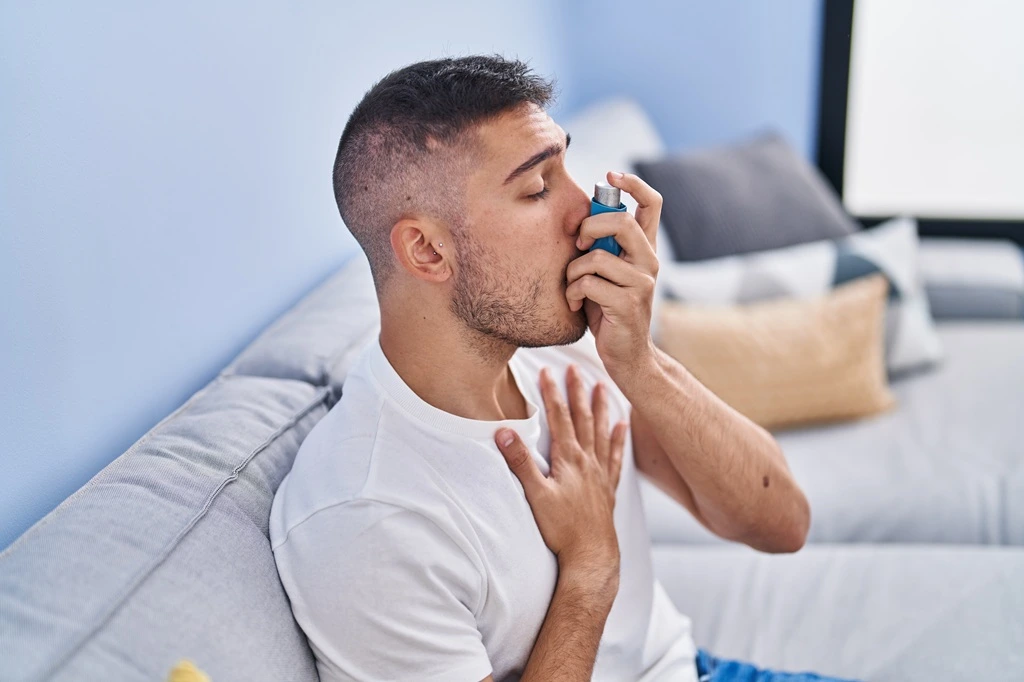
Medication is only one part of managing COPD. Daily habits, preventive care, and the environment around you can also make a difference.
The following steps can help people protect their remaining lung function and reduce the impact of the disease.
1. Stop Smoking
For anyone who smokes and has COPD, quitting is one of the most important steps they can take.
Stopping smoking does not reverse existing lung damage, but it can slow further damage and improve long-term health.
Quitting can be difficult, especially for someone who has smoked for decades. It is not a matter of willpower alone. Nicotine dependence is real, and many people benefit from counseling, support groups, nicotine replacement, or prescription medications.
If previous attempts have not worked, that does not mean another attempt will fail.
2. Avoid Lung Irritants
Smoke, dust, chemical fumes, strong cleaning products, and air pollution can aggravate COPD symptoms.
Try to keep indoor spaces well ventilated, avoid exposure to secondhand smoke, and pay attention to outdoor air-quality alerts.
If your work involves dust or chemicals, speak with your employer about appropriate protective equipment and ways to reduce exposure.
Small changes in the home and workplace may help reduce irritation and prevent symptoms from worsening.
3. Stay Physically Active
It may seem counterintuitive to exercise when breathing is difficult, but appropriate physical activity can be extremely helpful for people with COPD.
Exercise helps strengthen the muscles used for movement, improve endurance, and make everyday tasks easier.
Walking, stationary cycling, and supervised strength exercises may be appropriate, depending on a person’s health and physical abilities.
Anyone with significant breathlessness should discuss an exercise plan with their healthcare professional or pulmonary rehabilitation team before starting.
The goal is not to push through severe breathlessness. It is to build activity safely and consistently.
4. Eat Well and Maintain a Healthy Weight
Nutrition is an important but sometimes overlooked part of COPD management.
Breathing can require more energy for people with advanced disease. At the same time, some people become less active and gain weight, while others struggle to eat enough and lose muscle.
Both situations can create additional challenges.
A balanced diet can help support energy levels, muscle strength, and overall health.
Consider including:
- Lean protein such as fish, poultry, eggs, beans, and lentils.
- Fruits and vegetables for vitamins, minerals, and fiber.
- Whole grains for sustained energy.
- Healthy fats from foods such as olive oil, nuts, seeds, and avocado.
- Adequate fluids, unless a healthcare professional has recommended a restriction.
Some people find that large meals make breathing more uncomfortable. Smaller, more frequent meals may be easier to manage.
If weight loss, poor appetite, or difficulty eating becomes a problem, ask about working with a registered dietitian who understands respiratory conditions.
5. Stay Up to Date on Vaccinations
Respiratory infections can be particularly dangerous for people with COPD.
Vaccinations can help reduce the risk of certain infections and their complications.
Ask your healthcare professional about the recommended vaccines for your age and medical circumstances, including:
- Annual influenza vaccination.
- Pneumococcal vaccination.
- COVID-19 vaccination.
- RSV vaccination, when appropriate.
Vaccination recommendations can change, so it is important to review them with a healthcare professional.
6. Practice Breathing Techniques
Some breathing techniques can help people manage breathlessness during daily activities.
Two commonly taught approaches are pursed-lip breathing and diaphragmatic breathing.
Pursed-lip breathing: Breathe in gently through your nose, then breathe out slowly through lips held as though you are about to whistle. The exhalation should generally take longer than the inhalation.
This technique may help slow breathing and reduce the feeling of being out of breath.
Diaphragmatic breathing: This technique encourages the diaphragm, the main muscle used in breathing, to do more of the work. It is often taught as part of pulmonary rehabilitation.
These techniques are not a replacement for medication or emergency care, but they may help some people manage everyday breathlessness.
A respiratory therapist can demonstrate the techniques and help determine which are appropriate.
7. Keep Regular Medical Appointments
COPD is a condition that needs ongoing attention.
Regular appointments allow healthcare professionals to review symptoms, check treatment effectiveness, assess inhaler technique, monitor flare-ups, and identify other health concerns.
It is also important to discuss changes in activity levels, sleep, appetite, mood, and breathing.
Do not wait until symptoms become severe before asking for help.
COPD and the Heart: An Important Connection
COPD is a lung disease, but its effects can extend beyond the respiratory system.
People living with COPD are more likely to experience other chronic health conditions, including cardiovascular disease.
The heart and lungs work together to deliver oxygen throughout the body. When lung function is impaired, the cardiovascular system can face additional strain.
Some people with COPD may also develop pulmonary hypertension, a condition involving increased pressure in the blood vessels that carry blood from the heart to the lungs. In advanced cases, this can contribute to a type of heart strain known as cor pulmonale.
There is another important consideration: shortness of breath is not always caused by COPD.
Heart failure, coronary artery disease, anemia, and other conditions can produce similar symptoms. A person with COPD who suddenly becomes more breathless may be experiencing a lung flare-up, a heart problem, an infection, or more than one issue at the same time.
This is why comprehensive medical care matters. Looking at the whole person, rather than treating the lungs in isolation, can help identify problems that might otherwise be overlooked.
The Emotional Side of Living With COPD
COPD affects more than a person’s ability to breathe. It can change how they live, how they feel about themselves, and how they interact with the people around them.
Imagine being invited to a family gathering but worrying that you will not be able to walk from the parking lot to the restaurant. Consider the frustration of having to stop halfway through a conversation because you need to catch your breath.
Over time, some people begin avoiding social activities, traveling less, or relying more heavily on family members for everyday tasks.
The fear of a sudden flare-up can also create anxiety. Some people become afraid to exercise because they associate physical activity with breathlessness. Others experience sadness or depression as their independence changes.
Caregivers and loved ones may also experience stress as they adjust to new responsibilities and worry about the person’s health.
These emotional challenges deserve attention just as much as the physical symptoms.
Talking with a healthcare professional about anxiety, depression, or ongoing stress can open the door to useful support. Counseling, pulmonary rehabilitation, support groups, and family education may all play a role.
People with COPD should not feel that they have to manage the emotional burden alone.
Can You Prevent COPD?
Not every case of COPD can be prevented, particularly when genetic factors or early-life lung problems are involved. However, many of the major risk factors can be reduced.
The most effective preventive steps include:
- Avoid smoking and seek help to quit if you currently smoke.
- Stay away from secondhand smoke.
- Reduce exposure to workplace dust, fumes, and chemicals.
- Limit exposure to indoor and outdoor air pollution.
- Use appropriate protective equipment when working around airborne irritants.
- Keep vaccinations current.
- Seek medical advice for persistent cough, wheezing, or breathlessness.
- Discuss lung function testing if you have symptoms and a history of relevant exposures.
There is no routine screening test recommended for every person without symptoms. However, people with risk factors or ongoing respiratory symptoms should discuss whether spirometry is appropriate.
Prevention also means recognizing problems early rather than waiting until breathing becomes severely affected.
The Bottom Line: Don’t Wait Until Every Breath Becomes a Struggle
COPD is a serious condition, but a diagnosis does not mean a person must give up on living an active and meaningful life.
Medical treatment has advanced, pulmonary rehabilitation offers important benefits, and people have more opportunities to manage their symptoms and protect their health than ever before.
The most important steps are recognizing the warning signs, getting an accurate diagnosis, following an individualized treatment plan, avoiding further lung damage, and staying connected with healthcare professionals.
If you have a persistent cough, unexplained breathlessness, frequent wheezing, or a history of smoking or exposure to lung irritants, do not dismiss those symptoms.
Your lungs work every moment of your life. Giving them the attention they deserve may help protect your ability to enjoy the everyday experiences that make life meaningful.
Because breathing should never be something you have to think twice about.
Medical Disclaimer
This article is intended for educational and informational purposes only. It is not a substitute for professional medical advice, diagnosis, or treatment. COPD symptoms can overlap with other serious medical conditions, including heart disease. Anyone experiencing persistent breathing problems should consult a qualified healthcare professional. Seek emergency medical assistance for severe or sudden breathing difficulties, blue or gray lips or fingernails, confusion, or severe chest pain. Never start, stop, or change prescribed medication or oxygen therapy without medical guidance.