

OOPS … I Think I Just Peed a Little!
Written by Health Coach Tonya Fines Because sometimes midlife power comes with wisdom and a backup pair of underwear. If that title captured your attention, you are likely a woman

Written by Health Coach Tonya Fines
Because sometimes midlife power comes with wisdom and a backup pair of underwear.
If that title captured your attention, you are likely a woman going through, or who has gone through menopause, but let me assure you …
Girl, you are not alone!
Along with the thinning hair, night sweats, intense mood swings, weight gain and a plethora of other wonderful body changes, the sudden realization that your bladder has weakened considerably is …
The icing on the cake … like, really?!
Days of jumping on the trampoline with kids/grandkids are now a new emotional trigger and heaven forbid you must sneeze in public.
Or cough.
Or laugh too hard.
What else can menopause possibly throw at us women?
Well, we need to be careful when asking this, because in all honesty, there is a lot of stuff happening as your body navigates this transition in your life. So, once again I’m going to strongly suggest finding some humor in all of this … hey, it can help.
And really, does getting angry or embarrassed change the situation in any way?
Ummm, nope.
But can laughter soften it some?
Absolutely.
And that matters, because for so many women, bladder leakage is one of those topics we don’t want to talk about. We can talk about hot flashes. We can talk about night sweats. We can even joke about mood swings and wanting to throw the entire contents of the refrigerator into the street.
But bladder leakage?
That one can feel humiliating.
It can make us feel old. It can make us feel less feminine. It can make us feel like our bodies have betrayed us in yet another way. And because we don’t talk about it enough, many women assume they are the only ones quietly crossing their legs before they sneeze or strategically locating every restroom in a restaurant before they even sit down.
Let me say this loud and clear …
You are not the only one.
Not even close.
Why Does Menopause Affect Bladder Control?
So why does our bladder seem to betray us as we go through menopause?
When we are pregnant, the fact that we can barely blink without peeing even a little makes sense. I mean, we are growing and carrying a whole other human.
But menopause?
Seriously!
From the more science perspective, here is what is happening with your body during this phase of your life that contributes to a weakened bladder …
Decreased estrogen levels can weaken the muscles of the pelvic floor and the tissues that support the bladder and urethra. Also, with the decrease in estrogen, the lining of the urethra can become very thin.
And let’s pause here for a second, because this is where it becomes important to understand that this is not about you letting yourself go.
It is not about being lazy.
It is not about lacking discipline.
It is not about your body being defective.
This is biology.
Estrogen plays a role in supporting the tissues of the vagina, urethra, and bladder. When estrogen declines, those tissues may become thinner, drier, less elastic, and more vulnerable. That can contribute to symptoms like urgency, frequency, irritation, and yes, those charming little “oops” moments that arrive at the absolute worst possible time.
Because of course they do.
Understanding the Different Types of Bladder Leakage
There are also different types of bladder leakage, and while I’m not going to turn this into a medical textbook because, hello, I still want you to stay awake, it helps to know the basics.
Stress Incontinence
Stress incontinence is when leakage happens with pressure, like sneezing, coughing, laughing, jumping, lifting, or exercising.
Urge Incontinence
Urge incontinence is when you suddenly feel like you have to go right now, and your bladder gives you approximately three seconds to negotiate.
Some women experience a combination of both, because apparently menopause enjoys multitasking.
Again, not funny when it is happening, but also … can we please admit that sometimes the absurdity of it all deserves a little laugh?
Supporting Better Bladder Health Naturally
Alright, so what can YOU do to support better bladder health?
Before you run to your primary care physician to discuss surgical options, there are some lifestyle choices you can incorporate into your daily routine that may help keep your pelvic floor and surrounding tissues stronger.
Pelvic Floor Exercises That May Help
As with most muscles, exercise is key to building strength and keeping them healthy. This is also very true when it comes to your pelvic floor. There are exercises that you can do, that take only a couple minutes each day, that can help strengthen your pelvic floor…
Kegels
I’m almost certain you know what these are and how to do them.
Bridge Pose
This yoga pose targets the pelvic floor as well as your core and glutes.
Squats
And if you enjoy hitting the gym, squats are an excellent move that not only helps build great glutes but also strengthens the pelvic floor. If you don’t like the gym, go for bodyweight squats; it will still be beneficial for you.
But here is something important I want to add …
Not every pelvic floor needs the exact same thing.
Some women do need strengthening. Some women need better coordination. Some women have pelvic floor muscles that are too tight, overactive, or not relaxing properly. In those cases, doing endless Kegel’s may not be the magic answer and could even make symptoms feel worse.
The Value of Pelvic Floor Physical Therapy
This is why working with a pelvic floor physical therapist can be a wonderful gift to yourself.
And yes, I know that sentence may make some women think, “A pelvic floor what now?”
Hear me out. These professionals are trained to help women understand what is actually happening in the muscles and tissues that support bladder control, sexual health, posture, core strength, and pelvic stability. And frankly, if we can hire people to help us with our hair, our nails, our taxes, our house, our car, and our Wi-Fi, we can absolutely get support for the muscles that help us avoid peeing when we sneeze.
Priorities, babe.
Don’t Forget to Breathe
Another simple but powerful tool?
Your breath.
Deep diaphragmatic breathing can help calm the nervous system and support the relationship between your diaphragm, core, and pelvic floor. Your pelvic floor is not working alone down there. It is part of a larger system that includes your breathing, posture, abdominal muscles, hips, glutes, and even how you carry stress in your body.
So yes, your bladder may be asking for more than Kegel’s.
It may be asking for support.
It may be asking for mobility.
It may be asking for less tension.
It may be asking you to stop clenching your jaw, shoulders, glutes, and entire soul while pretending everything is fine.
How Diet and Hydration Impact Bladder Health
What about diet?
I’m so glad you asked!
Yes, dietary choices can also have an impact on bladder health because there are certain foods and beverages that can irritate your already weakened bladder …
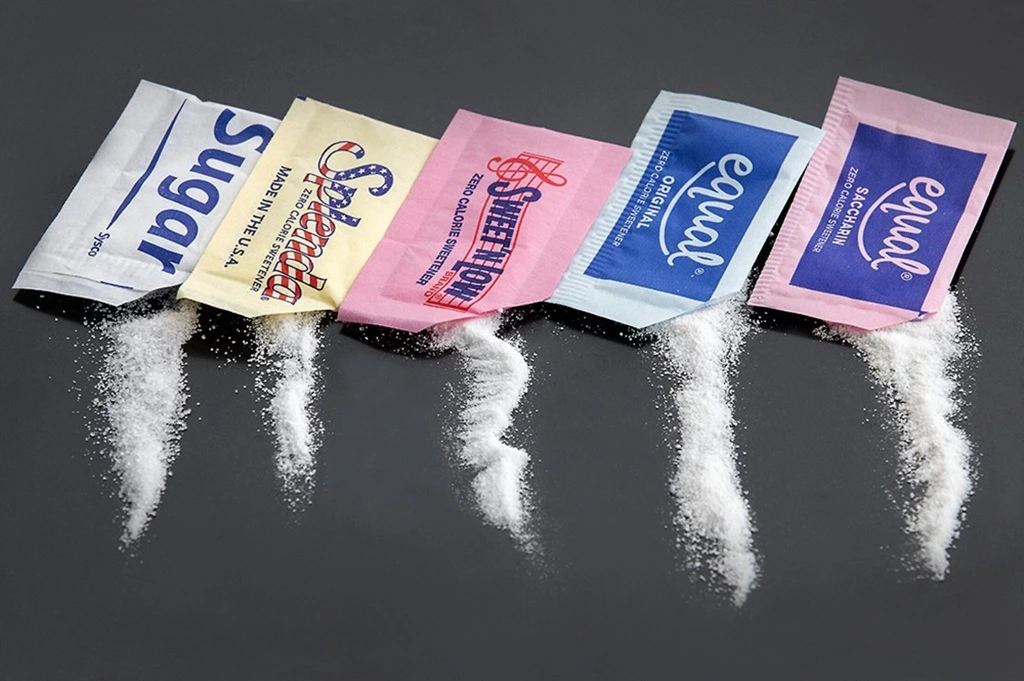
Monitor, or try to avoid, caffeine, carbonated drinks and drinks with artificial sweeteners. This includes energy drinks and even sugar-reduced foods. Alcohol causes your kidneys to produce more urine, so be mindful of your consumption. Citrus juices and fruits can also be quite irritating to the bladder so you may want to limit how much of these you consume. Spicy foods and foods that are high in sodium can also be irritating, so be aware of this and pay attention to how you respond to these foods when you eat them.
This does not mean that you should never, nor can you ever, enjoy these foods.
All I’m saying is …
Pay attention.
Your body is always giving you feedback. Sometimes she whispers. Sometimes she taps you on the shoulder. And sometimes she waits until you have one latte too many, then makes a dramatic announcement while you are standing in line at Target.
A simple bladder journal can be very helpful here. Nothing complicated. Just jot down what you drank, what you ate, how often you went to the bathroom, and when leakage happened. Do this for a few days and you may start noticing patterns.
Maybe coffee is your trigger.
Maybe carbonation is.
Maybe wine is not the supportive friend you thought it was. Rude, I know.
Maybe spicy food lights up your bladder like a Fourth of July sparkler.
Or maybe you notice that symptoms are worse when you are stressed, dehydrated, constipated, not sleeping well, or rushing around like a woman trying to do a million things at once.
Which, let’s be honest, is basically the unofficial Olympic sport of womanhood.
Hydration Matters More Than You Think
Hydration also matters. Some women start drinking less water because they are afraid of leaking. I get it. But dehydration can make urine more concentrated, which may irritate the bladder even more. So, this is not about avoiding water. It is about being mindful and strategic.
Drink water.
Support your body.
Just maybe don’t chug a giant bottle right before getting on the trampoline with your grandkids.
We are aiming for wisdom here, not unnecessary adventure.
Don’t Overlook Digestive Health
Constipation can also put extra pressure on the bladder and pelvic floor, so fiber, movement, hydration, and healthy digestion all matter. Again, the body is connected. Your bladder is not living on a little island by itself. Everything is communicating.
And menopause is a season where those communications can get a little loud.
When to Talk to a Healthcare Professional
If a weak bladder is plaguing you, these are just a few suggestions that may help improve your situation. However, if a weak bladder has become a major problem and negatively impacting your quality of life, then you certainly want to have a conversation with your primary care provider to discuss other options such as medications or possibly hormone therapy.
And please hear me on this …
Do not wait until you are miserable to ask for help.
Do not dismiss it because “this is just what happens when women get older.”
Do not suffer in silence because you feel embarrassed.
If you are having burning, pain, blood in your urine, frequent urinary tract infections, sudden changes, pelvic pressure, or leakage that is interfering with your life, talk to a healthcare professional. A primary care provider, gynecologist, urogynecologist, or pelvic floor physical therapist can help you understand what is happening and what options may be available.
You are not being dramatic.
You are being responsible.
And you deserve answers.
A Final Word for Every Midlife Woman

Beyond the suggestions here … what else?
That’s another great question and one that I’m not 100% sure I have THE answer for, but I will add this …
You are a beautiful, strong, intelligent woman who has done so many amazing things in her life!
You have maybe raised a family, cared for loved ones when they were very ill, shouldered the weight of friends, family, colleagues and neighbors when they were struggling, built a business or stood in the background quietly supporting your spouse while they built their dream. The list is long, and it runs deep.
You have survived heartbreak.
You have navigated change.
You have carried responsibilities no one saw.
You have shown up when you were exhausted.
You have loved people through their hardest seasons.
You have reinvented yourself more than once.
You have likely done hard things with a smile on your face and a grocery list in your hand.
So please do not let a bladder leak convince you that you are somehow less powerful.
You are not.
Face it babe … you are the ultimate badass!
So, who cares if after hearing a hilarious, dirty joke and laughing hysterically, you pee your pants a little. Excuse yourself, go to the restroom and do what you need to do to freshen up. Then get back out there and be the ultimate rock star that you are …
And maybe keep a few things in your purse that help you feel more confident. A liner. A fresh pair of underwear. A travel wipe. Whatever makes you feel prepared instead of panicked.
That is not weakness.
That is strategy.
That is midlife intelligence.
That is a woman saying, “I know my body is changing, and I am still going to live my life.”
Because that is the real point here.
You still get to laugh.
You still get to dance.
You still get to travel.
You still get to wear the outfit.
You still get to be sexy.
You still get to be spontaneous.
You still get to be seen.
You still get to show up fully in your life.
Bladder changes may require attention, support, humor, and maybe a new level of preparation, but they do not get to force you into hiding.
No ma’am.
Menopause may be a wild ride, but you are still in the driver’s seat. Maybe you are driving with seat warmers on, a fan pointed at your face, a water bottle in the cup holder, and a backup pair of underwear in your bag, but you are still driving.
And honestly?
That sounds like wisdom to me.
You got this, and never let anyone tell you or make you feel otherwise …
Warm pee and all!
Connect with Tonya Fines on LinkedIn: Tonya Fines LinkedIn Profile