




10 Natural Remedies Science Says May Actually Work for Everyday Health
By Ravoke News Desk Nature’s Medicine Cabinet Is Getting Scientific Attention For centuries, people have relied on herbs, spices, and other natural ingredients to ease everything from headaches and upset


By Ravoke News Desk
Nature’s Medicine Cabinet Is Getting Scientific Attention
For centuries, people have relied on herbs, spices, and other natural ingredients to ease everything from headaches and upset stomachs to muscle soreness and stress. While many of these remedies were originally passed down through family traditions or cultural practices, modern science is increasingly examining whether they truly deliver measurable health benefits.
Researchers around the world have spent decades studying plant compounds, essential oils, and nutrient-rich foods to determine which traditional remedies stand up to scientific scrutiny. Although natural treatments should never replace medical care or prescribed medications, growing evidence suggests that several common remedies may provide genuine support for everyday health.
Here are 10 natural remedies that research indicates may help relieve common ailments while supporting overall wellness.
1. Turmeric May Help Reduce Inflammation and Joint Discomfort
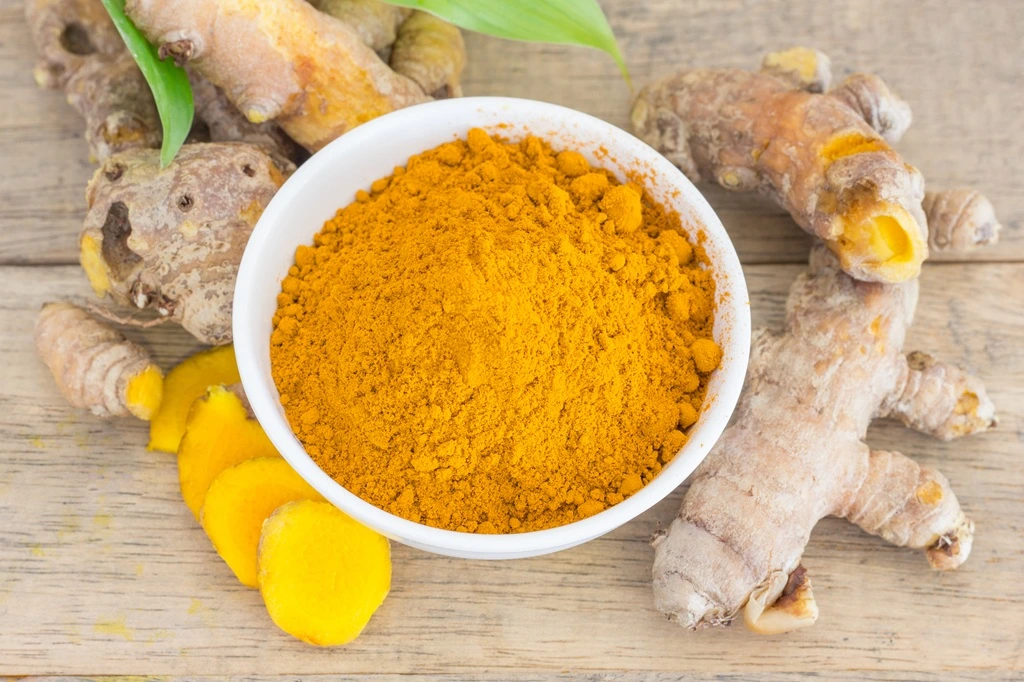
Turmeric has been a staple of traditional medicine for thousands of years, particularly in South Asia. Today, researchers attribute many of its health benefits to curcumin, a naturally occurring compound known for its anti-inflammatory and antioxidant effects.
Studies suggest curcumin may help reduce pain associated with osteoarthritis and other inflammatory conditions. Some clinical research has even found that concentrated curcumin supplements produced pain relief similar to certain anti-inflammatory medications.
Since turmeric naturally contains only a small amount of curcumin, supplements are often used in scientific studies. Pairing turmeric with black pepper can improve the body’s absorption of curcumin.
Potential Benefits
- Joint comfort
- Reduced inflammation
- Antioxidant protection
- Improved mobility
2. Ginger Supports Digestion While Fighting Inflammation
Ginger remains one of the world’s most widely used medicinal plants. It has long been valued for easing nausea, motion sickness, morning sickness during pregnancy, and digestive discomfort.
Scientists have also identified natural compounds in ginger that help regulate inflammatory processes in the body. These compounds may contribute to relief from headaches, muscle soreness, and mild joint pain.
Fresh ginger tea, grated ginger in meals, or standardized supplements are among the most common ways people consume it.
Potential Benefits
- Nausea relief
- Better digestion
- Anti-inflammatory support
- Headache relief
3. Chili Peppers Deliver a Powerful Natural Pain Reliever
The spicy kick in chili peppers comes from capsaicin, a compound frequently used in prescription and over-the-counter pain creams.
Capsaicin works by temporarily stimulating pain receptors before reducing their sensitivity, creating a warming sensation followed by temporary pain relief.
It is commonly used to help manage muscle aches, arthritis pain, nerve discomfort, and lingering soreness after exercise.
Potential Benefits
- Muscle recovery
- Joint pain relief
- Nerve pain management
- Arthritis support
4. Honey Helps Calm Coughs and Supports Healing
Honey has earned a place among the best-researched natural remedies.
Research has shown that consuming a spoonful of honey before bedtime may help reduce nighttime coughing caused by upper respiratory infections while improving sleep quality.
Medical-grade honey is also used in healthcare settings because of its antibacterial properties, helping certain wounds and burns heal more efficiently.
Honey contains antioxidants that may also contribute to overall health when enjoyed in moderation.
Important: Honey should never be given to infants younger than one year because of the risk of infant botulism.
Potential Benefits
- Soothes coughs
- Supports wound healing
- Provides antioxidants
- May improve sleep during illness
5. Lavender May Encourage Relaxation and Better Sleep
Lavender has become one of the most researched essential oils for emotional well-being.
Studies suggest its aroma may help reduce feelings of stress and anxiety while promoting relaxation before bedtime. Researchers have also investigated lavender’s potential role in reducing migraine symptoms and tension headaches.
Many people use lavender through aromatherapy diffusers, teas, bath products, or pillow sprays.
Potential Benefits
- Reduced stress
- Better sleep quality
- Migraine support
- Relaxation
6. Peppermint Can Ease Digestive Discomfort
Peppermint contains menthol, a natural compound known for producing a cooling sensation and relaxing smooth muscles.
Clinical research suggests peppermint oil capsules may reduce symptoms associated with irritable bowel syndrome (IBS), including bloating, cramping, and abdominal pain.
Peppermint tea also remains a popular remedy for indigestion and stomach discomfort.
Potential Benefits
- Digestive comfort
- Reduced bloating
- Relief from intestinal spasms
- Freshens breath naturally
7. Eucalyptus Oil May Relieve Congestion and Muscle Aches
Eucalyptus oil contains a compound called 1,8-cineole that has demonstrated anti-inflammatory properties in laboratory research.
The oil is commonly found in vapor rubs and muscle balms because inhaling its aroma may temporarily relieve congestion while topical application may help soothe sore muscles.
Essential oils should always be diluted before skin application and should never be swallowed unless directed by a healthcare professional.
Potential Benefits
- Temporary congestion relief
- Muscle soreness
- Mild joint discomfort
- Refreshing respiratory support
8. Shiitake Mushrooms May Strengthen Immune Function
Beyond their rich, savory flavor, shiitake mushrooms contain natural compounds being studied for their ability to support immune health.
Scientists have focused on lentinan, a naturally occurring polysaccharide that appears to stimulate certain immune responses and may help regulate inflammation.
Although research continues, adding shiitake mushrooms to meals provides fiber, vitamins, minerals, and antioxidants that contribute to a healthy diet.
Potential Benefits
- Immune support
- Antioxidant activity
- Nutrient-rich food
- Healthy inflammatory response
9. Fenugreek Shows Promise for Blood Sugar and Breastfeeding
Fenugreek seeds have long been used in traditional cooking and herbal medicine.
Their high soluble fiber content may help slow digestion and support healthy blood sugar regulation. Some studies also suggest fenugreek may encourage breast milk production in breastfeeding mothers.
Because it can interact with medications and affect glucose levels, anyone considering fenugreek supplements should speak with a healthcare provider first.
Potential Benefits
- Blood sugar support
- Breastfeeding support
- Improved digestion
- Increased fiber intake
10. Magnesium-Rich Foods Support the Entire Body
Magnesium is involved in hundreds of biological processes, including muscle contractions, nerve signaling, heart rhythm, and energy production.
Despite its importance, many adults fail to consume enough magnesium through their diets.
Low magnesium intake has been linked to muscle cramps, headaches, fatigue, poor sleep, and increased stress.
Foods naturally rich in magnesium include spinach, almonds, pumpkin seeds, black beans, avocados, whole grains, and dark chocolate.
Rather than immediately turning to supplements, many health experts recommend increasing magnesium-rich foods first whenever possible.
Potential Benefits
- Muscle function
- Better sleep
- Heart health
- Healthy nerves
- Stress management
Why Modern Research Supports Traditional Remedies
Many herbs and foods contain naturally occurring compounds that interact with the body’s inflammatory pathways, nervous system, digestive tract, and immune system. Researchers continue discovering how these compounds work, helping explain why certain traditional remedies have remained popular across cultures for generations.
Natural therapies often produce more gradual results than medications, making them better suited as supportive measures rather than quick cures.
Natural Doesn’t Always Mean Safe
Even remedies derived from plants can produce side effects or interact with medications.
Some herbal supplements may affect blood pressure, blood sugar, blood clotting, or prescription medications. Essential oils should be used carefully, and concentrated supplements should never be viewed as harmless simply because they are labeled “natural.”
People who are pregnant, breastfeeding, managing chronic illnesses, or taking multiple medications should consult a healthcare professional before adding herbal supplements to their daily routine.
Choosing products tested by independent organizations can also help ensure quality and ingredient accuracy.
Healthy Habits Still Matter Most
While these remedies may offer additional support for common health concerns, experts agree they work best alongside a balanced lifestyle that includes nutritious meals, regular physical activity, adequate sleep, hydration, and preventive medical care.
As scientific research continues to explore the healing potential of plants and natural compounds, many traditional remedies are gaining renewed credibility. Used responsibly, these time-tested ingredients may offer safe and effective ways to support everyday wellness.