

Rebecca Luna’s Final Decision Sparks Global Conversation About Medical Aid in Dying and Alzheimer’s
Written by Charles Mattocks for Ravoke.com Some stories are difficult to write because they challenge everything we believe about life, hope, suffering, and compassion. This is one of those stories.

Written by Charles Mattocks for Ravoke.com
Some stories are difficult to write because they challenge everything we believe about life, hope, suffering, and compassion.
This is one of those stories.
I debated whether I even wanted to publish this article. Even now, I’m still wrestling with how I truly feel about it. There are stories that seem straightforward, and then there are stories like this one—stories that force us to confront questions with no easy answers.
The reason this story hits so close to home is personal.
I live with someone who is battling dementia every single day. Recently they looked at me and quietly admitted something that broke my heart—they told me they could feel things getting worse.
Yet despite that frightening reality, they haven’t stopped fighting.
They’re in their 80s. They also live with severe chronic pain that would challenge anyone’s spirit. But every morning they continue to get up and face another day. More than once they’ve told me they don’t want to leave me alone. They keep fighting, not just for themselves, but for the people they love.
Watching that strength has shaped how I see stories like this one.
It doesn’t mean my perspective is right.
It simply means I struggle to understand decisions that many others may see differently.
Rebecca Luna’s Story
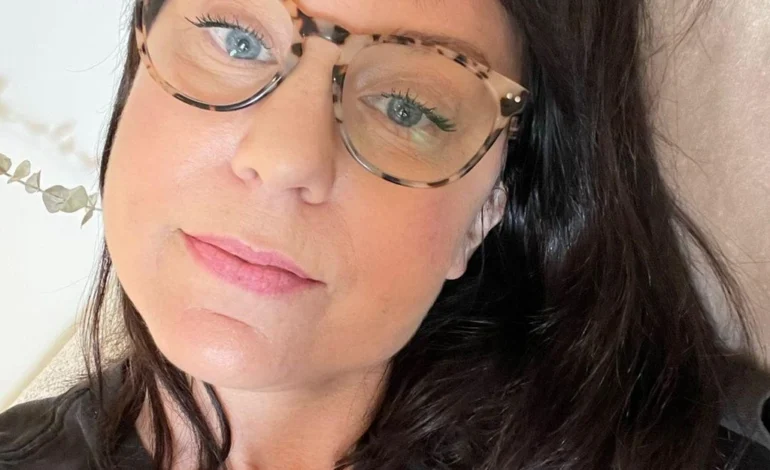
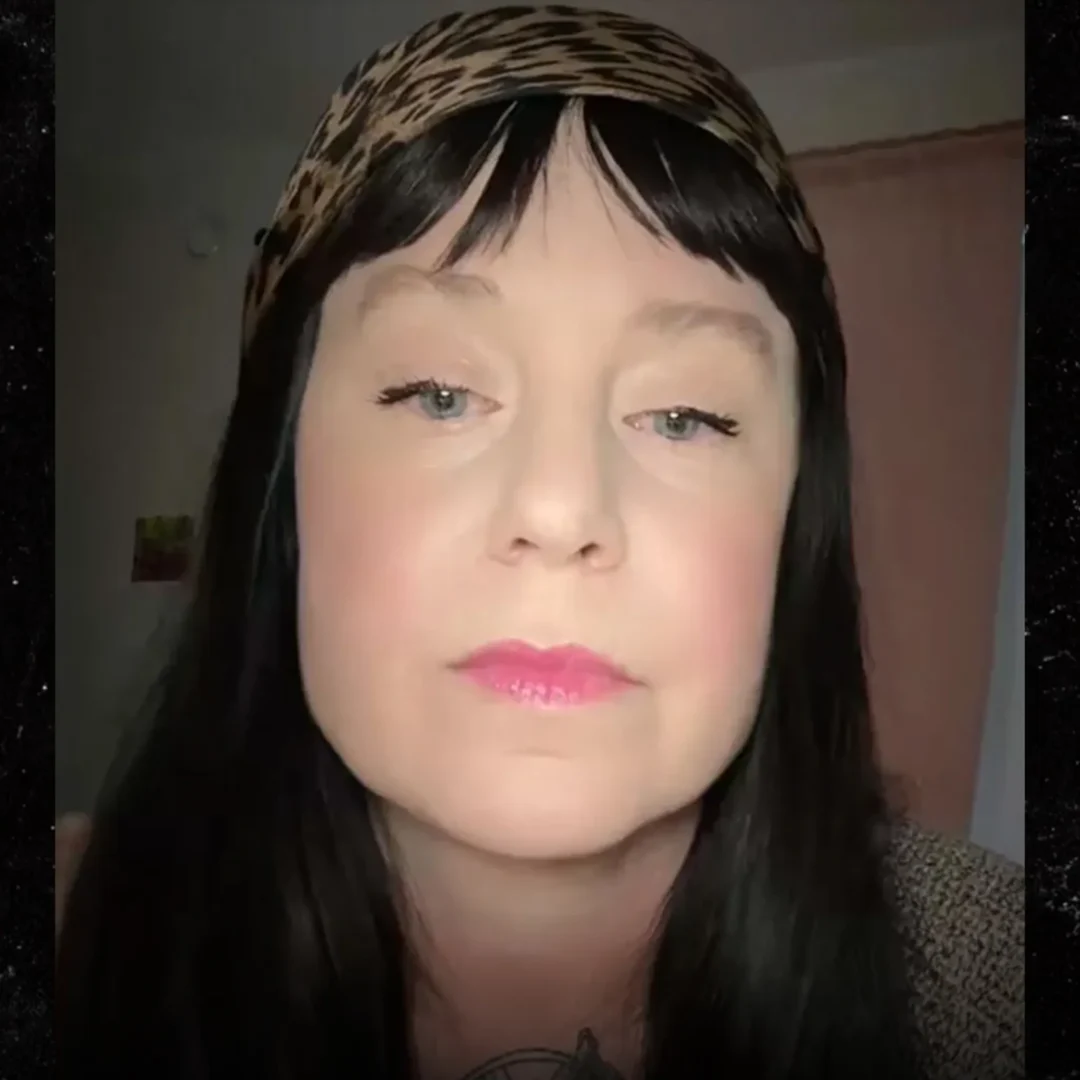
Rebecca Luna, a Canadian TikTok creator from Victoria, British Columbia, openly documented her life after being diagnosed with young-onset Alzheimer’s disease at just 48 years old.
Over the past year, thousands of followers watched her share doctor’s appointments, discuss the progression of her illness, answer questions about Medical Assistance in Dying (MAID), and speak honestly about what life with Alzheimer’s had become.
On July 25, Luna died through Canada’s Medical Assistance in Dying program at the age of 49, surrounded by loved ones, according to a message shared on her TikTok account.
Just days before her death, she explained that she had moved her scheduled MAID date forward by nearly two weeks because, in her words, her body no longer felt safe or comfortable to live in.
She described years of emotional trauma, addiction recovery, and finally a diagnosis that changed everything.
Luna often spoke about wanting relief from suffering while encouraging others to advocate for themselves and learn about their legal healthcare options.
What Is Medical Assistance in Dying (MAID)?
Medical Assistance in Dying, commonly known as MAID, is a legal medical service in Canada that allows eligible adults experiencing grievous and irremediable medical conditions to request medical assistance to end their lives.
Canada legalized MAID in 2016 following landmark court decisions and years of public debate surrounding patient autonomy, dignity, and end-of-life care.
Eligibility generally requires that a person:
- Be at least 18 years old.
- Be capable of making informed healthcare decisions.
- Voluntarily request MAID without outside pressure.
- Have a serious and irreversible medical condition that causes intolerable suffering as defined under Canadian law.
- Meet additional legal and medical assessment requirements.
Canadian physicians and nurse practitioners must follow strict legal safeguards before MAID can be provided.
Supporters believe the law gives individuals control over unbearable suffering when no reasonable treatments remain.
Critics argue that expanding eligibility raises difficult ethical questions, particularly for people living with disabilities, mental illness, or chronic illnesses.
The debate continues to evolve across Canada.
Which Countries Allow Assisted Dying?
Canada is not alone.
Several countries have legalized some form of physician-assisted dying or euthanasia, although each nation has very different rules and restrictions.
These include:
- Canada
- The Netherlands
- Belgium
- Luxembourg
- Spain
- New Zealand
- Switzerland (through assisted suicide under specific legal conditions)
- Austria (limited assisted suicide)
- Portugal (legal framework approved but implementation has evolved through legal review)
In the United States, assisted dying is legal only in certain states, including Oregon, Washington, California, Colorado, Vermont, Maine, New Jersey, Hawaii, New Mexico, Montana (through court ruling), and the District of Columbia. Eligibility rules differ significantly from state to state and generally apply only to terminal illness rather than conditions like dementia.
Each country has reached its own legal framework through years of public debate balancing patient autonomy, medical ethics, religious beliefs, disability rights, and concerns about protecting vulnerable people.
Alzheimer’s Is Different for Every Family
Alzheimer’s disease affects nearly every family differently.
Some people decline rapidly.
Others live meaningful lives for years after diagnosis.
Young-onset Alzheimer’s, which affects people under 65, often progresses differently than later-life Alzheimer’s and can bring unique emotional and financial challenges.
For many families, the disease becomes a long journey of changing memories, shifting personalities, increasing care needs, and heartbreaking uncertainty.
There is currently no cure, although ongoing research continues to explore treatments that may slow progression for some patients.
My Personal Thoughts
This is where I struggled.
Watching Rebecca’s final videos, I found myself conflicted.
I saw someone smiling.
I saw someone laughing.
I saw someone sharing memories.
To me, she didn’t appear to be someone standing on the edge of unbearable suffering.
But appearances can be incredibly misleading.
None of us truly knows what another person experiences once the camera is turned off.
Pain isn’t always visible.
Fear isn’t always visible.
Neither is exhaustion.
Still, I couldn’t help asking myself one question.
Why not wait the additional two weeks?
That thought stayed with me long after watching her final message.
Maybe there were details about her medical condition that the public never knew.
Maybe her suffering had become overwhelming in ways impossible to capture in a short social media video.
Or maybe I simply cannot understand because I have never walked in her shoes.
And perhaps that’s exactly the point.
Hope and the Other Side of the Conversation
Living beside someone with dementia has taught me something powerful.
Hope doesn’t always disappear when memory begins to fade.
The person I care about continues to fight every day.
Some days are harder than others.
Some days they openly admit they’re scared.
Some days the pain is almost unbearable.
Yet they continue.
That resilience influences how I see stories like Rebecca Luna’s.
But it also reminds me that every patient experiences illness differently.
Choosing to continue treatment requires courage.
Choosing comfort-focused care requires courage.
Families carrying these decisions deserve compassion, regardless of where they stand.
A Conversation Worth Having
Rebecca Luna’s story is likely to remain part of the global discussion about assisted dying for years to come.
Whether readers agree with her decision or oppose it, her willingness to publicly share her journey has sparked conversations many families are already having behind closed doors.
These conversations aren’t easy.
They shouldn’t be.
They involve medicine, ethics, faith, personal freedom, family, dignity, suffering, and hope—all at once.
There may never be universal agreement.
But there should always be room for respectful discussion.
I’d genuinely like to hear your thoughts.
Perhaps you see something I don’t.
Perhaps you’ve experienced caring for someone with Alzheimer’s or another life-changing illness and have a different perspective.
These conversations matter because they affect real families every day.
Email your thoughts to admin@ravoke.com.
Let’s continue this discussion with compassion, respect, and an open mind.