



The Hidden Risks of Mouthwash: What Every Consumer Should Know
By Ravoke News Desk For decades, mouthwash has been marketed as an essential step in daily oral hygiene, promising fresher breath, whiter teeth, and protection against harmful bacteria. But growing


By Ravoke News Desk
For decades, mouthwash has been marketed as an essential step in daily oral hygiene, promising fresher breath, whiter teeth, and protection against harmful bacteria. But growing scientific research suggests that not all mouthwash products are as beneficial as consumers have been led to believe.
Many conventional mouthwashes contain ingredients that may disrupt the mouth’s natural ecosystem, dry out oral tissues, and even contribute to long-term health concerns. While these products can temporarily freshen breath, experts increasingly recommend taking a closer look at what is actually inside the bottle before making it part of your daily routine.
Why Your Oral Microbiome Matters
The human mouth is home to billions of microorganisms that form the oral microbiome—a delicate balance of beneficial and harmful bacteria that plays a vital role in maintaining oral health.
Healthy bacteria help:
- Break down food particles
- Control harmful bacteria
- Maintain healthy gums
- Reduce harmful acidity
- Support the natural protection of tooth enamel
Many traditional mouthwashes use powerful antibacterial ingredients designed to eliminate bacteria indiscriminately. While this may reduce odor-causing bacteria temporarily, it can also destroy beneficial microbes that are essential for a healthy mouth.
Research has suggested that disrupting the oral microbiome may contribute to issues such as:
- Persistent bad breath
- Increased plaque buildup
- Gum disease
- Tooth decay
- Greater oral inflammation
Five Potential Health Concerns Linked to Conventional Mouthwash
1. It May Disrupt Healthy Oral Bacteria
Many antibacterial mouthwashes are designed to kill germs broadly rather than selectively. This means beneficial bacteria may be eliminated alongside harmful ones.
A weakened oral microbiome can make it easier for harmful bacteria to multiply, potentially increasing the risk of dental problems over time.
2. Alcohol-Based Formulas Can Cause Dry Mouth
Many popular mouthwashes contain high concentrations of alcohol.
Although alcohol provides a temporary feeling of cleanliness, it can significantly reduce moisture inside the mouth.
Dry mouth may contribute to:
- Bad breath
- Tooth decay
- Gum irritation
- Increased sensitivity
- Difficulty swallowing
Individuals already affected by dry mouth may experience worsening symptoms after frequent use of alcohol-based rinses.
3. Some Ingredients May Increase Cavity Risk
Ironically, some ingredients intended to improve oral health may actually work against it.
Certain formulations contain substances that may leave a coating on the teeth, allowing plaque and bacteria to accumulate more easily while reducing the teeth’s natural ability to absorb minerals needed to strengthen enamel.
Over time, this could leave teeth more vulnerable to cavities.
4. Long-Term Use Has Raised Health Questions
Researchers have investigated possible connections between frequent use of some alcohol-containing mouthwashes and increased risks of certain head and neck cancers.
While studies have not established definitive cause-and-effect relationships, some health professionals recommend limiting unnecessary exposure to alcohol-based oral rinses until additional research provides clearer answers.
5. Fresh Breath Is Often Temporary
Mouthwash can temporarily mask bad breath, but it rarely addresses the underlying cause.
Persistent bad breath is often linked to:
- Gum disease
- Poor oral hygiene
- Dry mouth
- Dental infections
- Digestive or medical conditions
In some cases, overusing mouthwash may actually worsen bad breath by reducing saliva production and disturbing the balance of healthy oral bacteria.
Ingredients Worth Paying Attention To
Consumers concerned about oral health should consider reading product labels carefully. Several commonly used ingredients continue to raise questions among health advocates.
Alcohol
Alcohol is widely used as a preservative and solvent in conventional mouthwash.
Potential drawbacks include:
- Dry mouth
- Burning sensations
- Irritated oral tissues
- Disruption of healthy bacteria
Alcohol-free alternatives have become increasingly popular for individuals with sensitive mouths.
Artificial Colors
Bright blue, green, pink, and purple mouthwashes often rely on synthetic dyes to create a perception of freshness.
While approved for consumer use in many countries, some consumers choose to avoid artificial colorings because of concerns surrounding allergies, sensitivities, and other potential health effects.
Artificial Flavors
Synthetic flavoring agents help create long-lasting mint sensations but add little to actual oral health.
Many natural oral care products instead rely on plant-based essential oils for flavor.
Glycerin
Glycerin is commonly added to help retain moisture and improve taste.
Some dental health advocates argue that excessive glycerin may leave a film on tooth surfaces that could interfere with the natural remineralization process, although this remains an area of ongoing debate.
Fluoride
Fluoride remains one of the most debated ingredients in oral care.
Many dental organizations continue to support fluoride for cavity prevention when used appropriately.
However, some consumers prefer fluoride-free products because of concerns about excessive exposure, particularly among young children or individuals seeking more natural alternatives.
Anyone considering significant changes to their oral care routine should consult their dental professional for personalized guidance.
Can Mouthwash Cause Side Effects?
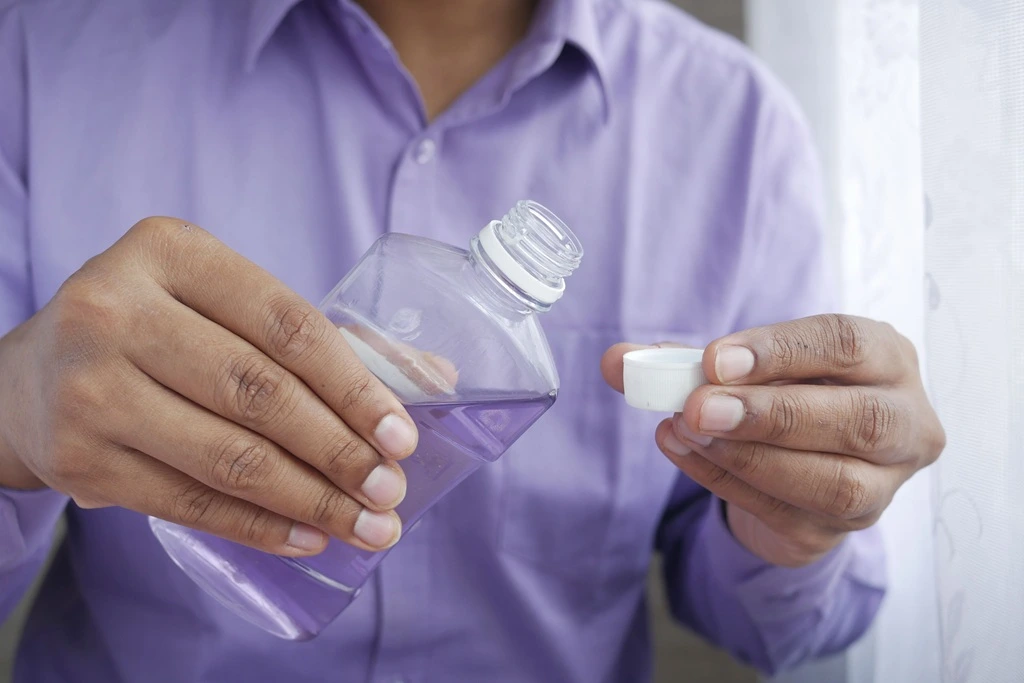
Even alcohol-free mouthwash may produce unwanted effects in some individuals.
Possible side effects include:
- Dry mouth
- Mouth irritation
- Burning sensation
- Changes in taste
- Temporary tooth staining
- Irritation of existing mouth sores
Some prescription mouthwashes containing stronger antibacterial ingredients may also cause temporary discoloration of the teeth.
Signs You May Be Using Too Much Mouthwash
Using mouthwash more often than directed may increase the likelihood of irritation.
Possible warning signs include:
- Frequent mouth ulcers
- Bleeding gums
- Persistent dry mouth
- Increased tooth sensitivity
- Ongoing oral discomfort
If these symptoms develop, reducing use and consulting a dental professional may be advisable.
Is Mouthwash Necessary?
Mouthwash can be a useful addition to an oral care routine for certain individuals, but it is not considered a replacement for the fundamentals of dental hygiene.
Most dental professionals continue to recommend focusing on:
- Brushing twice daily with fluoride or dentist-recommended toothpaste
- Daily flossing
- Regular dental cleanings
- Limiting sugary foods and drinks
- Staying hydrated
For many people, these habits provide far greater long-term benefits than relying on mouthwash alone.
Choosing a Safer Oral Care Routine
Consumers looking for gentler alternatives may consider products that avoid ingredients such as:
- Alcohol
- Artificial dyes
- Artificial flavors
- Parabens
- Sulfates
Natural formulations that support the mouth’s normal bacterial balance may offer a more balanced approach for some individuals.
As with any health product, the best choice depends on personal needs, existing dental conditions, and guidance from a qualified dental professional.
The Growing Shift Toward Natural Oral Care
In recent years, more consumers have begun questioning the ingredients found in everyday personal care products, and oral hygiene products are no exception. As awareness grows around ingredient transparency and overall wellness, many people are seeking mouthwashes made with simpler, plant-based formulations rather than products filled with synthetic chemicals.
Natural mouthwashes often rely on botanical ingredients such as peppermint, spearmint, tea tree oil, aloe vera, chamomile, or xylitol to help freshen breath and support oral health. While these ingredients are not a cure for dental disease, many users prefer them because they typically avoid harsh alcohols, artificial dyes, and unnecessary preservatives.
Dentists emphasize that regardless of whether a person chooses a conventional or natural product, the most important factor is maintaining a consistent oral hygiene routine. Mouthwash should be viewed as a supplement—not the foundation—of healthy dental care.
Why Saliva Is More Important Than Many People Realize
One of the most overlooked parts of oral health is saliva. While many people think of saliva simply as moisture, it actually performs several critical functions that help protect the mouth every day.
Healthy saliva helps:
- Wash away food particles
- Neutralize acids produced by bacteria
- Deliver minerals that strengthen tooth enamel
- Reduce bacterial growth
- Lubricate the mouth for speaking and swallowing
When alcohol-based mouthwash contributes to dry mouth, these natural protective functions can become less effective. Reduced saliva production may allow bacteria to multiply more rapidly, increasing the risk of plaque buildup and unpleasant breath.
Staying hydrated throughout the day, chewing sugar-free gum when appropriate, and avoiding excessive use of drying oral products can all help support healthy saliva production.
Our thoughts
Mouthwash can provide temporary freshness and may play a role in specific dental care routines, but emerging research suggests that some conventional formulations deserve closer scrutiny.
Understanding ingredient labels and choosing products that support—not disrupt—the mouth’s natural defenses may help consumers make more informed decisions about their long-term oral health.
Good oral hygiene begins with consistent brushing, flossing, routine dental checkups, and selecting products that align with both your dental needs and overall wellness goals.