



Do You Really Need to Wash All Your Fruits and Vegetables Before Eating Them?
By Ravoke News Desk Fresh fruits and vegetables are among the healthiest foods available, providing essential vitamins, minerals, fiber, and antioxidants. However, before they reach the dinner table, produce can

By Ravoke News Desk
Fresh fruits and vegetables are among the healthiest foods available, providing essential vitamins, minerals, fiber, and antioxidants. However, before they reach the dinner table, produce can pass through many stages of handling, transportation, storage, and preparation—creating opportunities for dirt, bacteria, and other contaminants to come into contact with the food.
Recent concerns surrounding foodborne illness outbreaks linked to fresh produce have caused many consumers to question whether simply rinsing fruits and vegetables is enough, or whether certain foods should be avoided altogether.
Health experts say the answer is clear: washing fresh produce remains an important food safety step. However, proper washing should be viewed as one part of a broader approach that also includes safe storage, proper cooking, and preventing contamination during meal preparation.
Why Washing Produce Is Still Important
Even when there is no active foodborne illness outbreak, washing fruits and vegetables before eating them is recommended.
Produce can collect unwanted materials throughout the supply chain, including soil particles, agricultural residues, microorganisms, and contaminants from handling. While many fruits and vegetables appear clean when purchased, invisible hazards may still be present on their surfaces.
This applies even to foods with outer layers that are removed before eating.
For example, fruits such as oranges, lemons, avocados, and melons should still be rinsed before cutting. When a knife passes through the outer skin, bacteria or contaminants on the surface can potentially transfer onto the edible portion inside.
Washing produce before preparation reduces this risk and helps remove unwanted substances from the surface.
Some Fruits and Vegetables Need Extra Attention
Not all produce requires the same level of cleaning. Certain fruits and vegetables have structures that make them more likely to collect dirt or microorganisms.
Root vegetables, including carrots, potatoes, and beets, grow underground and may carry soil particles even after being harvested and packaged. These foods should be rinsed thoroughly and scrubbed when necessary to remove visible dirt.
Leafy greens require special care because their layered leaves and uneven surfaces can trap particles that are difficult to remove. Lettuce, spinach, kale, and similar vegetables often contain folds and crevices where contaminants may remain if they are not washed properly.
During outbreaks involving fresh produce, leafy greens are frequently examined because their growing conditions and handling processes can create opportunities for contamination.
Consumers should remove damaged outer leaves, separate individual leaves when preparing greens, and rinse them carefully under running water.
What About Pre-Washed Produce?
Many grocery stores sell packages labeled as washed, triple-washed, or ready-to-eat. These products are generally considered safe to consume directly from the package when handled properly.
Additional washing is usually unnecessary and may create new risks.
Repeated handling can introduce bacteria from kitchen sinks, countertops, cutting boards, or hands. In some situations, trying to clean already processed produce at home may expose it to more contamination rather than reducing risk.
Consumers should follow the instructions provided on packaging and keep ready-to-eat produce refrigerated until use.
Washing Helps Reduce Risk, But It Is Not a Complete Solution
Rinsing fruits and vegetables under clean running water is an effective way to remove many surface contaminants, but it cannot guarantee that every harmful microorganism has been eliminated.
Some bacteria and parasites can attach firmly to produce surfaces, making them difficult to completely remove through washing alone.
Certain contaminants may also enter the internal tissues of fruits and vegetables, where surface cleaning cannot reach them. Research has shown that some bacteria, including strains of E. coli, can occasionally enter produce through natural openings or damaged areas.
Because washing cannot eliminate every possible risk, consumers should combine produce cleaning with other food safety practices.
These include:
- Washing hands before preparing food.
- Keeping raw meat separate from fresh produce.
- Cleaning knives, cutting boards, and countertops.
- Refrigerating perishable foods promptly.
- Cooking foods when appropriate to destroy harmful microorganisms.
Should Consumers Avoid Fresh Produce During Outbreaks?
When foodborne illness outbreaks occur, consumers often become concerned about whether certain fruits or vegetables are safe to eat.
Health officials typically recommend avoiding only products specifically identified in recalls or outbreak investigations. Removing healthy produce from the diet unnecessarily can reduce access to important nutrients.
Fresh fruits and vegetables remain a major part of a balanced diet, and the overall risk of illness from properly handled produce remains low.
Food safety experts emphasize that outbreaks are carefully investigated, and affected products are generally removed from stores or supply chains when identified.
The goal is not to eliminate fresh produce consumption, but to improve awareness of safe handling practices.
The Right Way to Wash Fruits and Vegetables
Cleaning produce does not require expensive products or complicated methods.
For most fruits and vegetables, consumers should:
- Wash hands with soap and water before handling food.
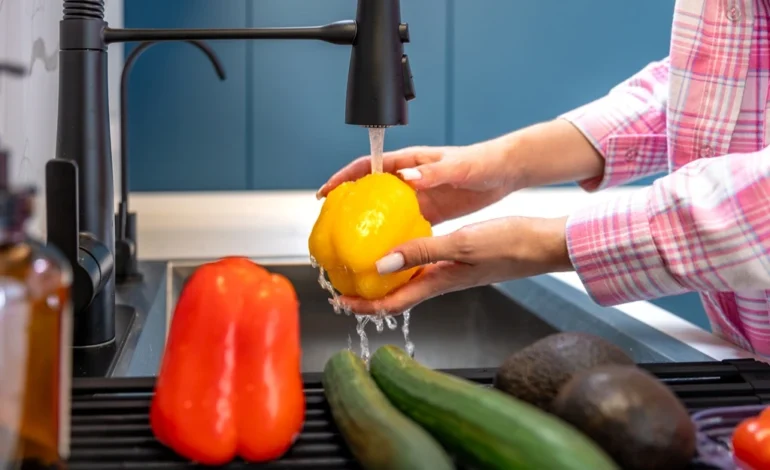
- Rinse produce thoroughly under cool, running tap water.
- Rub firm fruits and vegetables with clean hands or a produce brush.
- Dry produce with a clean towel or allow it to air dry.
- Store washed produce properly to prevent spoilage.
For leafy greens that are not sold pre-washed, consumers should remove outer leaves, separate the remaining leaves, rinse them individually, and dry them before eating or storing.
Do You Need Special Produce Washes or Cleaning Products?
Water Remains the Recommended Choice for Most Produce
With increasing concerns about food safety, many products marketed as fruit and vegetable cleaners have appeared on store shelves. These products often claim to remove more bacteria, pesticides, or contaminants than water alone.
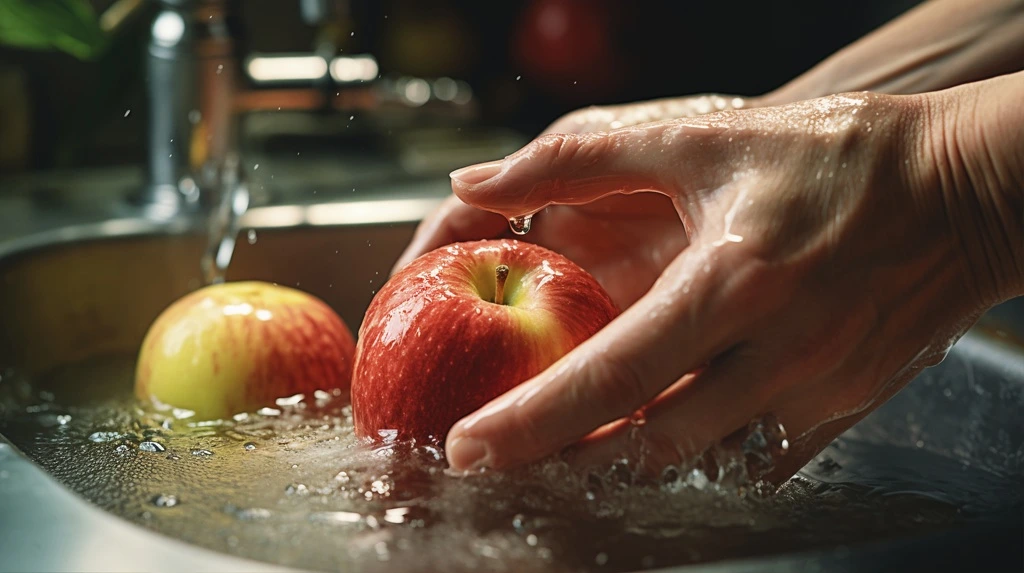
However, food safety experts generally recommend using clean running water as the primary method for washing fresh produce.
Special soaps, household cleaners, bleach solutions, and unapproved chemical treatments should not be used on fruits and vegetables. These substances may leave harmful residues, affect flavor, or create additional health concerns if they are not specifically designed and approved for food use.
Commercial produce sprays and washes have also not consistently demonstrated significant advantages over proper rinsing with water.
The most important factors are simple: clean hands, clean water, and careful handling.
Common Mistakes People Make When Washing Produce
While washing fruits and vegetables is a good safety habit, the process can become less effective if certain mistakes are made.
One common mistake is washing produce too early and storing it while still wet. Excess moisture can speed up spoilage and encourage mold growth, especially in delicate foods such as berries and leafy greens.
Another mistake is assuming that visually clean produce does not need washing. Contaminants such as bacteria and microscopic particles cannot always be seen, meaning appearance alone is not a reliable measure of safety.
Some consumers also believe that soaking produce for long periods is more effective than rinsing it. However, extended soaking does not necessarily remove more contaminants and may allow microorganisms from the water to spread across multiple pieces of produce.
Running water combined with gentle rubbing is generally considered the most practical approach for everyday food preparation.
How Produce Becomes Contaminated
Fresh produce can become contaminated at several points before reaching consumers.
During farming, fruits and vegetables may come into contact with soil, irrigation water, animal activity, fertilizers, or environmental contaminants.
After harvesting, produce may be handled by workers, transported over long distances, displayed in stores, and touched by customers.
Even careful farming and processing practices cannot completely eliminate every possible source of contamination.
This is why food safety experts focus on reducing risk at every stage—from farms and distribution centers to grocery stores and home kitchens.
Consumers also play an important role by handling produce carefully after purchase.
Food Safety Goes Beyond Washing
Although washing produce is important, it represents only one part of preventing foodborne illness.
Safe food preparation requires attention to the entire process.
At home, consumers should:
- Keep refrigerators at appropriate temperatures.
- Separate raw meats and seafood from fruits and vegetables.
- Use different cutting boards when possible.
- Clean kitchen surfaces regularly.
- Avoid preparing food with unwashed hands.
- Store leftovers safely.
Cross-contamination is a major concern because bacteria from raw foods can transfer to ready-to-eat items such as salads, fruit, and vegetables.
A clean kitchen environment can be just as important as washing the produce itself.
Why Fresh Produce Remains an Important Part of a Healthy Diet
Concerns about foodborne illness can sometimes cause people to avoid fresh fruits and vegetables altogether. Health professionals caution against this response.
Produce provides essential nutrients that support overall health, including vitamins, minerals, fiber, and plant-based compounds linked to reduced risks of chronic diseases.
While outbreaks connected to fresh foods receive significant public attention, they represent a small portion of overall produce consumption.
Food safety systems continue to monitor and improve agricultural practices, packaging methods, and distribution processes to reduce risks.
Consumers can continue enjoying fruits and vegetables while following basic preparation guidelines.
Understanding Outbreaks Linked to Fresh Foods
When illnesses are connected to produce, public health agencies investigate several possible causes, including where the food was grown, how it was processed, and how it reached consumers.
Investigations may involve testing samples, tracing distribution routes, and identifying specific products associated with illness reports.
Once a source is identified, recalls and public warnings can help remove affected products from circulation.
These investigations also provide valuable information that can improve future prevention strategies.
Foodborne illness outbreaks involving produce do not mean all fresh fruits and vegetables are unsafe. Instead, they highlight the importance of continued attention to farming practices, supply chain monitoring, and consumer awareness.
The Bottom Line: Wash Your Produce, But Do Not Panic
Washing fruits and vegetables before eating remains one of the easiest steps consumers can take to improve food safety.
A thorough rinse under clean running water can remove dirt, debris, and many surface contaminants. While washing does not eliminate every possible microorganism, it lowers exposure risks when combined with proper food handling practices.
Consumers do not need to avoid fresh produce because of isolated outbreaks. Instead, they should stay informed about recalls, follow food safety recommendations, and prepare foods carefully at home.
The healthiest approach is balance: continue enjoying fresh fruits and vegetables while making safe preparation habits part of everyday cooking.
Ravoke Health Desk recommends: rinse fresh produce, handle it properly, and rely on trusted food safety guidance rather than fear when choosing what to eat.