


Why I Feel The Need To Tell The Story Of Endometriosis
By Charles Mattocks After releasing my Menopause series, I Realized Another Women’s Health Crisis Needed More Attention When I wrapped production on my menopause series, I thought I had a

By Charles Mattocks
After releasing my Menopause series, I Realized Another Women’s Health Crisis Needed More Attention
When I wrapped production on my menopause series, I thought I had a clearer understanding of the gaps that exist in women’s healthcare. We had featured incredible women from all walks of life — entrepreneurs, mothers, executives, caregivers, creators — and despite their intelligence and success, many admitted they entered menopause knowing very little about what was happening to their bodies.
That alone said a lot.
But after the series aired, something happened I didn’t expect.
The emails started pouring in.
Women from around the world began asking me one question over and over again:
“Charles, would you consider doing a series on endometriosis?”
At first, I hesitated.
I had heard of endometriosis before, but if I’m being honest, I knew very little about it. What I quickly discovered, however, was deeply concerning. Despite affecting nearly 200 million women globally, endometriosis remains one of the most misunderstood, underdiagnosed, and under-discussed chronic health conditions in the world.
That reality stopped me in my tracks.
As I researched further, I found thousands upon thousands of women gathered in online communities and support groups, desperately searching for answers, guidance, validation, and hope. Some were teenagers as young as 18 years old already battling debilitating symptoms. Others had spent ten or even twenty years trying to get a diagnosis while being told their pain was “normal,” “stress-related,” or “all in their head.”
Imagine living in pain every month.
Imagine not being believed.
Imagine losing relationships, careers, confidence, intimacy, fertility, or years of your life because the healthcare system failed to listen.
That is the reality for millions of women living with endometriosis.
And the deeper I went into understanding the condition, the more I realized this wasn’t simply another health topic.
This was a movement that deserved attention.
Understanding Endometriosis: More Than “Bad Cramps”
Endometriosis is an often painful condition where tissue similar to the lining of the uterus grows outside the uterus. Most commonly, it affects the ovaries, fallopian tubes, and tissue lining the pelvis, but in some cases the disease can spread beyond the pelvic region entirely.
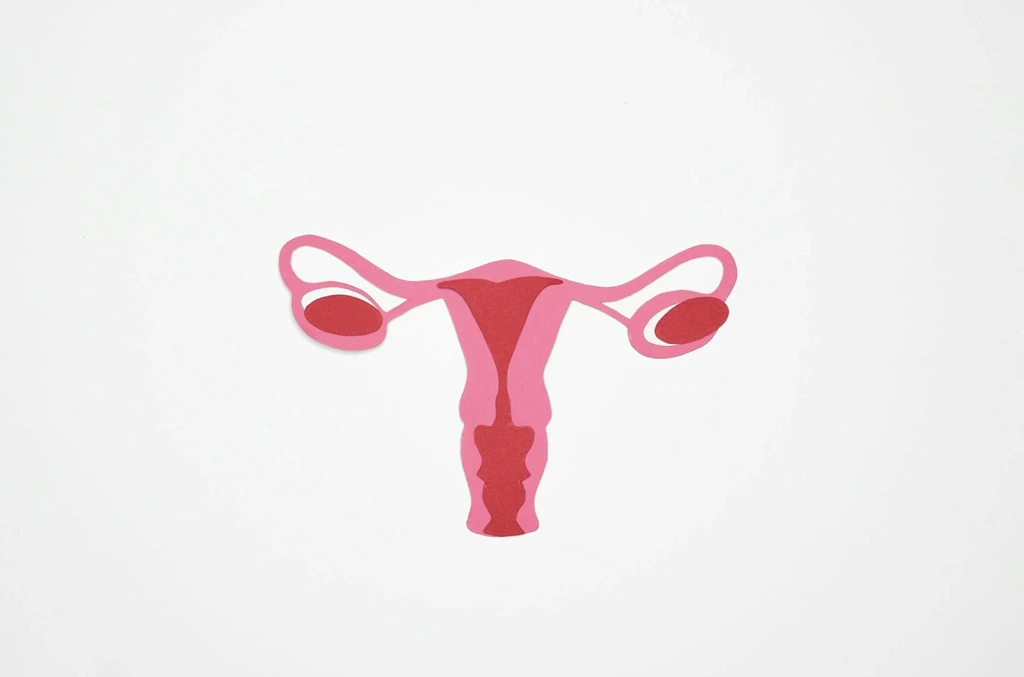
What makes the condition so complex is that this tissue behaves similarly to the uterine lining. During each menstrual cycle, it thickens, breaks down, and bleeds. But unlike normal menstrual tissue, it has no way to leave the body.
The result can be chronic inflammation, internal scarring, adhesions, cysts called endometriomas, organ complications, and severe pain that can dramatically affect a woman’s quality of life.
For many women, endometriosis is not just a reproductive issue.
It becomes a mental health issue.
A relationship issue.
A workplace issue.
A financial issue.
And in many cases, a fertility issue.
Symptoms can include:
- Severe pelvic pain
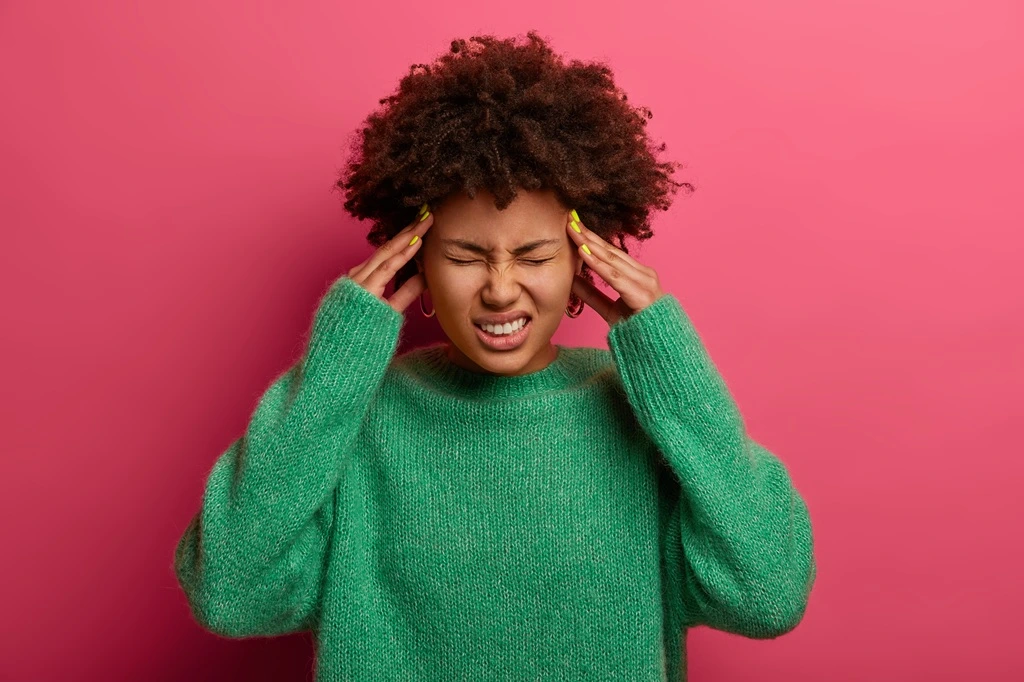
- Painful menstrual cycles
- Pain during or after intercourse
- Pain with urination or bowel movements
- Excessive bleeding
- Chronic fatigue
- Bloating and digestive problems
- Nausea, constipation, or diarrhea
- Fertility complications
What’s especially alarming is that the severity of pain does not necessarily reflect the extent of the disease. Some women experience debilitating symptoms with only small areas of endometrial tissue, while others with advanced disease may experience less pain.
This inconsistency often contributes to delayed diagnosis, with many women waiting years before receiving proper answers.
The Causes Are Still Not Fully Understood
One of the most frustrating realities surrounding endometriosis is that medical science still does not fully understand what causes it.
Several theories exist, including:
- Retrograde menstruation, where menstrual blood flows backward through the fallopian tubes into the pelvic cavity.
- Immune system dysfunction, where the body may fail to identify and destroy misplaced tissue.
- Hormonal and embryonic cell transformation, influenced by estrogen and other biological factors.
- Surgical complications, such as endometrial cells attaching to scar tissue after procedures like C-sections.
- Transportation of cells through blood vessels or tissue fluids to other areas of the body.
There are also several recognized risk factors:
- Starting menstruation at an early age
- Heavy or prolonged periods
- Short menstrual cycles
- High lifetime estrogen exposure
- Family history of endometriosis
- Never having given birth
Despite the prevalence of the disease, awareness remains shockingly low.
And that is exactly why this series matters.
Why Costa Rica Became the Perfect Place for Healing
One thing I learned while producing transformational health programming is that the environment matters.
Healing matters.
Peace matters.
Connection matters.
That is why we chose Costa Rica as the home for our productions.
Costa Rica offers something special that is difficult to explain until you experience it for yourself. The natural beauty, the peaceful atmosphere, the healthy food, the warmth of the people, the slower pace of life — it creates the perfect setting for women who have spent years carrying physical pain and emotional exhaustion.
For many of our guests, this experience becomes the first real opportunity they’ve had in years to step away from stress, appointments, work pressures, family responsibilities, and the constant burden of simply trying to survive chronic illness.
In Costa Rica, they are able to breathe.
They are surrounded by nature, healthy meals, compassionate experts, supportive advocates, and women who truly understand what they are going through.
By the final day of filming, something incredible always happens.
We become family.
Walls come down.
Stories are shared.
Tears are shed.
Healing begins.
And that human connection is just as important as any medical conversation we have on camera.
Advocacy Must Be Taken More Seriously
Another thing this journey has taught me is how important advocacy truly is.
We have to do a better job supporting advocates in the chronic illness space.
People who dedicate their platforms and their lives to raising awareness should not constantly have to fight for resources, visibility, or support. Many advocates — myself included — have the ability to reach millions of people and create meaningful impact.
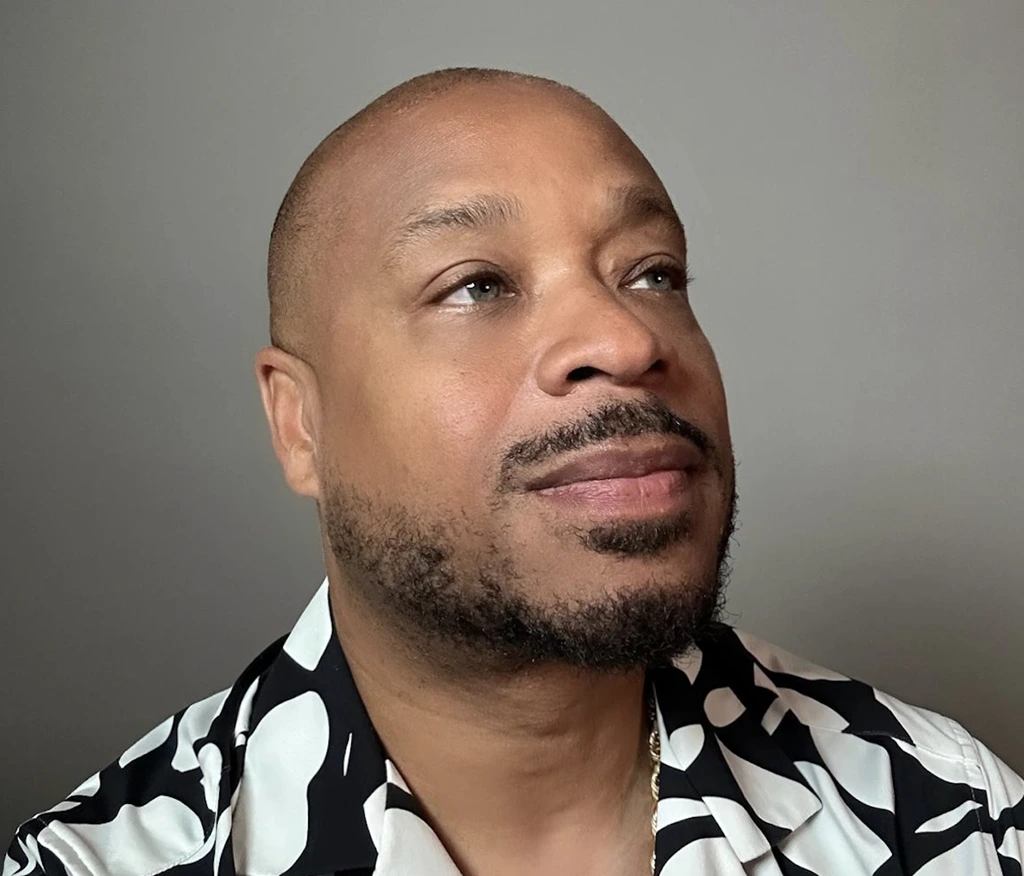
That matters.
Because many people living with chronic conditions are not just searching for treatment.
They are searching for hope.
They want to feel heard.
They want to know someone cares.
They want reassurance that they are more than a statistic, a prescription, or another patient file sitting on a desk.
Far too often, healthcare conversations become overly focused on selling a medication, device, or service instead of building genuine trust and human connection.
People can feel the difference.
The truth is, companies and organizations do not always have to look at everything through the lens of immediate ROI. Real impact creates long-term trust, and trust creates lasting relationships. When people living with a condition truly understand what resources, treatments, support systems, or technologies are available to help them, the value naturally follows.
But first, they need to feel seen.
That is where storytelling becomes powerful.
I began this journey many years ago after meeting my late uncle, the reggae legend Bob Marley, whose words — “If this life is just for me, I don’t want it” — became the foundation of my life’s mission. Those words inspired me to dedicate my life to creating meaningful change, helping others, and leaving behind something greater than myself. Over the years, I have focused my work on educating and empowering people through conversations surrounding cancer, diabetes, longevity, menopause, and overall wellness. My work and message have been featured on major media outlets including CNN, The Dr. Oz Show, and Today, among many others. I am also a published author with the American Diabetes Association and serve as a Circle Champion with the International Diabetes Federation. Today, my shows and appearances continue reaching audiences worldwide through major platforms including Amazon Prime Video, Tubi, PBS, and many more.
This Series Is About More Than Awareness
This project is not simply about producing another television series.
It is about changing conversations.
It is about helping women recognize symptoms earlier.
Helping families better understand what their loved ones are experiencing.
Helping healthcare professionals listen more carefully.
Helping young girls realize their pain should not be ignored.
Helping millions of women feel less alone.
My mission has always been rooted in purpose-driven storytelling. I believe that my programs can educate, inspire, and create real-world impact as it is done with empathy and authenticity.
My hope is that this endometriosis series becomes a catalyst for change.
A catalyst for awareness.
A catalyst for earlier diagnosis.
A catalyst for compassion.
A catalyst for better support systems.
And ultimately, a catalyst for hope.
Because no woman should suffer in silence while the world looks away.
If you are living with endometriosis, caring for someone with the condition, or would like to be featured in the first season of this series, we would love to hear your story.
Please contact us at: admin@ravoke.com