





Tick Activity Surges Across the U.S. as Experts Warn of Dangerous 2026 Season
Written by Ravoke News Desk Health specialists and federal agencies are warning Americans to prepare for what may become one of the most intense tick season seen in years, as

Written by Ravoke News Desk
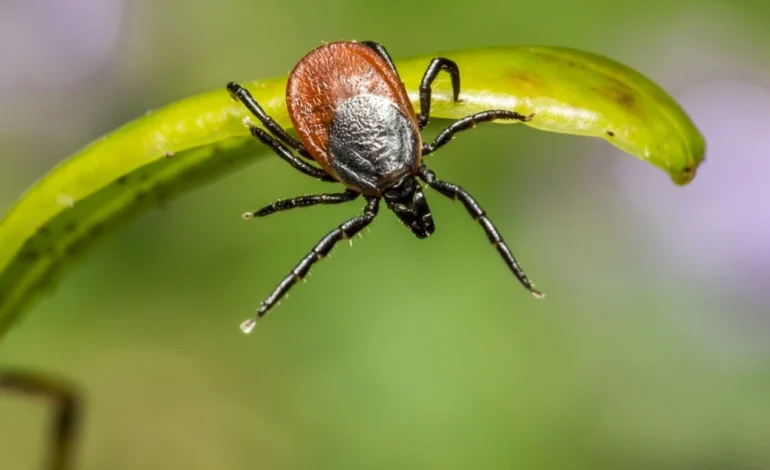
Health specialists and federal agencies are warning Americans to prepare for what may become one of the most intense tick season seen in years, as rising temperatures and shifting weather patterns contribute to increased tick activity across large parts of the country.
New surveillance data from the Centers for Disease Control and Prevention shows emergency room visits connected to tick bites are already climbing above normal levels in many regions of the United States, especially throughout the Northeast.
According to the agency’s Tick Bite Data Tracker, tick-related emergency visits during late April reached the highest level recorded for that time of year since tracking began several years ago. Public health experts say the numbers suggest 2026 could become one of the busiest and most concerning tick seasons in recent memory.
Tick Encounters Increasing Earlier in the Year
For decades, tick activity was mostly associated with peak summer months. Experts now say that pattern has changed significantly.
Warmer winters and longer stretches of mild weather are allowing ticks to remain active much earlier in spring and later into fall. In some regions, experts say ticks are surviving nearly year-round.
Specialists studying pest populations explain that shorter winters reduce the natural die-off that colder temperatures once caused. Even snowfall can help ticks survive because thick snow layers act as insulation, protecting them from extreme cold near the ground.
As temperatures continue rising across many states, larger numbers of ticks are successfully making it through the winter season and reproducing at higher rates.
Why Scientists Believe Tick Numbers Are Exploding
Researchers say several environmental factors are contributing to this year’s unusually active tick population.
One major contributor is what scientists sometimes refer to as the “acorn cycle.” During years when oak trees produce especially large acorn crops, wildlife populations often increase because food becomes more plentiful.
Animals such as mice, squirrels, chipmunks, and deer feed heavily on acorns. As those animal populations expand, ticks gain access to more hosts for feeding and reproduction.
Because many tick-borne illnesses are picked up from infected animals, larger wildlife populations may also increase the spread of disease-causing bacteria and parasites carried by ticks.
Experts say this combination of warmer weather, stronger wildlife survival, and expanding tick habitats has created ideal conditions for ticks to spread into new areas.
Tick-Borne Diseases Continue Expanding
While Lyme Disease remains the most widely recognized illness linked to ticks, health officials say several other dangerous diseases are also becoming more common across the United States.
These include:
- Ehrlichiosis
- Anaplasmosis
- Rocky Mountain Spotted Fever
- Babesiosis
- Tularemia
Some of these illnesses initially resemble the flu, producing symptoms such as fever, headaches, fatigue, and muscle aches. However, untreated infections can become severe and may lead to neurological complications, organ damage, breathing problems, or even death in rare cases.
Doctors also warn that tick-borne illnesses are no longer confined to traditional hot spots. Regions that once reported relatively few cases are now seeing steady increases as tick populations expand geographically.
Pets Also Face Rising Risks
Veterinarians are also seeing growing concerns surrounding tick exposure in dogs and outdoor pets.
Ticks can transmit illnesses to animals just as they do to humans, and experts say pet owners should stay current on flea and tick prevention treatments throughout the year.
In some parts of the country, veterinarians are also encouraging dog owners to ask about Lyme disease vaccinations and regular screening for tick-borne illnesses.
Because pets often carry ticks indoors after spending time outside, experts say animals can unintentionally increase exposure risks inside homes as well.
Outdoor Activities May Carry Greater Exposure Risks
Health officials are urging caution for people who spend time in wooded areas, parks, hiking trails, gardens, or tall grass during the warmer months.
Ticks are commonly found in:
Wooded Trails
Forested environments with dense vegetation provide ideal hiding spots for ticks waiting to attach to passing animals or people.
Tall Grass and Brush
Ticks often cling to grass blades and low shrubs where they can easily latch onto clothing or exposed skin.
Leaf Piles and Yard Debris
Moist environments created by leaves and yard waste can help ticks survive and reproduce.
Experts say even suburban backyards may contain ticks if wildlife frequently passes through the area.
How to Reduce the Risk of Tick Bites
Health agencies recommend taking preventive steps before and after outdoor activities.
Use Insect Repellent
Products containing EPA-approved repellents can help reduce tick attachment during outdoor exposure.
Wear Protective Clothing
Long sleeves, long pants, socks, and closed shoes can limit exposed skin where ticks may attach.
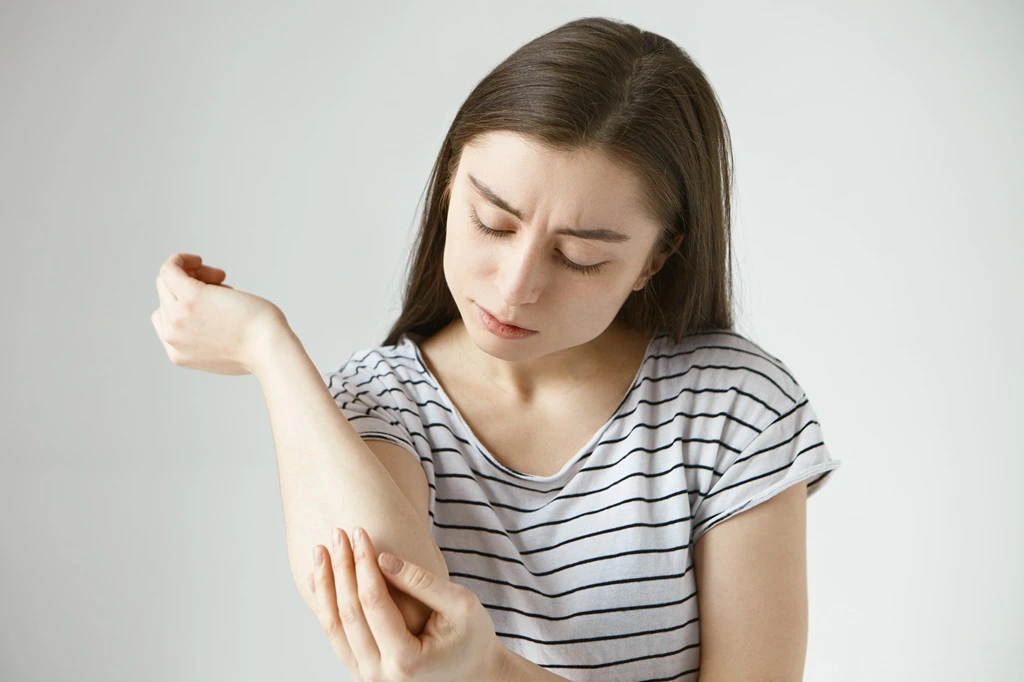
Perform Full-Body Tick Checks
Experts advise carefully checking the body after returning indoors, especially around hidden areas where ticks commonly attach.
Common locations include:
- Hair and scalp
- Behind the ears
- Underarms
- Waistbands
- Behind the knees
- Groin area
- Between the toes
Showering shortly after spending time outdoors may also help remove unattached ticks before they bite.
Experts Expect Tick Problems to Continue Growing
Scientists studying tick populations say climate shifts and environmental changes may continue increasing tick exposure risks across the country in coming years.
Public health officials are encouraging Americans to remain vigilant throughout the season, especially as tick habitats expand into areas that previously saw lower activity levels.
Experts say awareness, prevention, and early treatment remain the best tools for reducing the health risks associated with tick-borne diseases.