



Charles Mattocks Takes on ATTR-CM: A Mission to Uncover the Hidden Heart Disease Affecting Black Communities
The Filmmaker Behind Four Days Launches a Powerful New Health Storytelling Project Focused on Awareness, Early Recognition, and Hope From Personal Loss to a Mission That Could Change Lives For
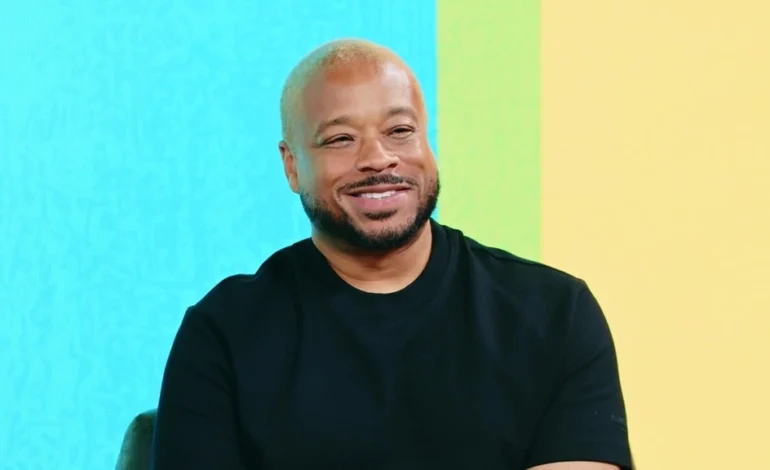

The Filmmaker Behind Four Days Launches a Powerful New Health Storytelling Project Focused on Awareness, Early Recognition, and Hope
From Personal Loss to a Mission That Could Change Lives
For filmmaker, health advocate, and storyteller Charles Mattocks, healthcare has never been just about statistics, diagnoses, or medical terminology. It has always been about people—their families, their struggles, their unanswered questions, and the moments that can change the course of their lives.
Over the years, Charles has watched people close to him suffer from serious health conditions. He has also experienced the pain of losing family members to heart-related illnesses. Through his work in healthcare storytelling, he has encountered countless individuals facing difficult diagnoses, navigating complicated medical systems, and searching for answers that can sometimes feel impossible to find.
Those experiences have shaped the way Charles sees the world. They have also shaped his purpose.
Now, he is turning his attention to a condition that has captured his attention and raised an urgent question: How many people are living with a potentially serious heart condition without fully understanding what it is, how it affects them, or what steps they can take next?
That condition is ATTR-CM, short for transthyretin amyloid cardiomyopathy.
After learning more about ATTR-CM and its impact on Black communities, Charles was struck by the need for greater awareness, meaningful education, and more accessible conversations about the disease. What he discovered was more than a new subject for a documentary. It was the beginning of a mission.
What Is ATTR-CM, and Why Does Awareness Matter?
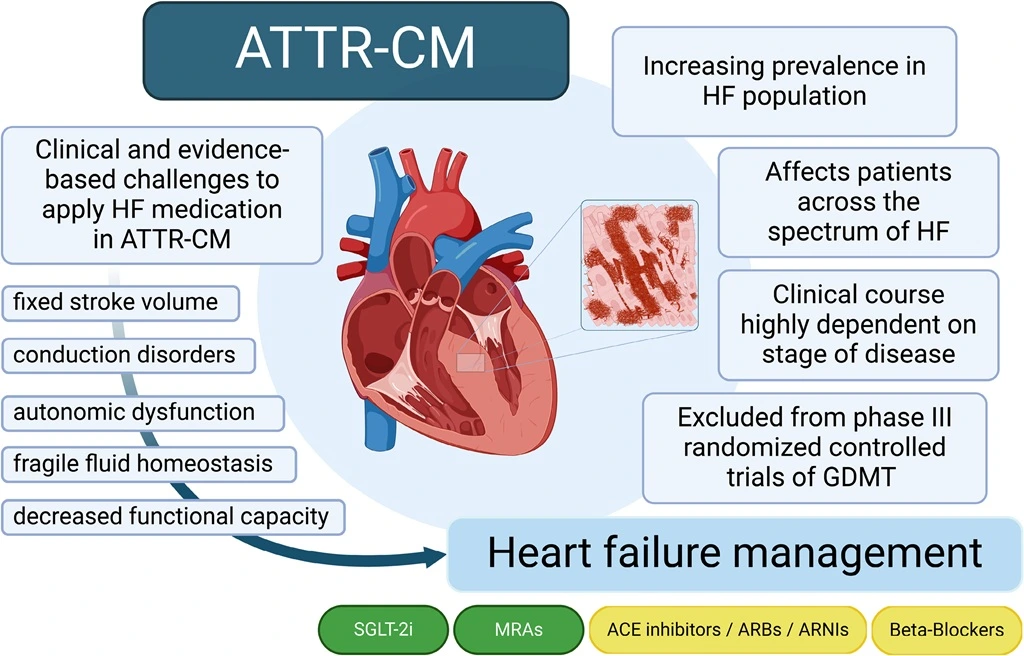
ATTR-CM is a progressive heart condition in which abnormal deposits of a protein called transthyretin build up in the heart muscle. Over time, these deposits can make the heart muscle stiff, interfering with its ability to fill with blood and pump efficiently.
The condition can be difficult to recognize because its symptoms may resemble those of other, more common illnesses. People may experience shortness of breath, fatigue, swelling in the legs, or irregular heart rhythms. Some may spend years seeking explanations for symptoms before ATTR-CM is considered.
There are different forms of transthyretin amyloidosis. One, known as hereditary ATTR-CM, results from an inherited genetic variant. Certain hereditary variants are more prevalent among people of African ancestry, including the V122I variant, also commonly referred to as p.Val142Ile. However, carrying a genetic variant does not mean a person will necessarily develop symptomatic disease, and ATTR-CM can affect people from many backgrounds.
For Charles, understanding these distinctions is part of the larger story.
The challenge is not simply that a disease exists. It is that people need opportunities to recognize the signs, ask informed questions, understand their diagnostic options, and have meaningful conversations with qualified healthcare professionals.
Awareness can open the door to answers. Education can help people ask better questions. And the right medical evaluation can help individuals understand their options.
Charles believes that more people deserve access to all three.
A Personal Connection to Heart Disease
Charles did not come to this work because ATTR-CM was trending or because it represented the next popular topic in healthcare media.
He came to it because heart disease has touched his own family, and because his professional life has brought him into contact with people whose health struggles deserve to be seen and heard.
When he began exploring ATTR-CM, he was particularly struck by the potential impact on Black communities and the importance of ensuring that the disease receives the attention it deserves.
The discovery left him asking questions that would become central to his new project.
Who is talking to the people who may be at risk? Who is helping families understand what a diagnosis means? Who is connecting people with credible medical information? And what happens to someone who has been given a complicated diagnosis but leaves the doctor’s office feeling overwhelmed, frightened, or unsure about the future?
These are not abstract questions to Charles. They are human questions, and they lie at the heart of his work.
His goal is to move the conversation beyond statistics and medical terminology to reveal the lives behind the diagnosis.
Because behind every heart condition is a person. Behind that person is a family. And behind every unanswered question is an opportunity to make a difference.
“I Want to Fish Out of a Barrel, Not a Lake”
When Charles describes his vision for the ATTR-CM project, he uses an analogy that captures his approach to healthcare awareness.
“If I’m fishing, I want to fish out of a barrel and not a lake.”
For Charles, the comparison is simple. Finding people who may be living with a particular condition across an enormous population can be challenging. He believes that more focused outreach, stronger community connections, and greater awareness of ATTR-CM could help bring the right conversations to the people who need them.
His goal is not to make assumptions about who has the disease. It is to create a more focused pathway toward awareness, education, appropriate medical evaluation, and connection.
Too many people facing complex health questions may not know what to ask, where to turn, or how to make sense of the information they receive. Others may be struggling to understand the implications of a diagnosis or how to discuss their concerns with their healthcare team.
Charles wants to help change that experience.
He envisions a project that connects personal stories with credible medical expertise, helping audiences understand not only what ATTR-CM is, but also what it means to live with the condition and navigate the healthcare system.
The ambition is to reach beyond the people who already know about ATTR-CM and engage families, communities, caregivers, and individuals who may never have heard of it.
Five Lives, One Destination, and a Mission to Make a Difference
At the center of Charles Mattocks’ new ATTR-CM initiative is an ambitious and deeply personal vision: to bring five people living with ATTR-CM to Costa Rica for an immersive storytelling and educational experience.
The concept builds on the approach that has become a defining feature of his health programming. Rather than simply interviewing people in a clinical setting, Charles creates an environment in which participants can share their experiences, learn from experts, and connect with others who understand the emotional and practical challenges of living with a health condition.
Costa Rica would serve as the setting for a powerful gathering—one focused on human connection, informed conversations, and the experiences that often go unheard.
The project aims to bring together leading heart specialists and other qualified healthcare professionals to help explain ATTR-CM, discuss diagnosis and treatment considerations, and address the questions that matter to patients and their families.
For the five participants, the experience would be an opportunity to tell their stories in their own words. They could discuss the road to diagnosis, the uncertainty that may accompany a serious heart condition, the conversations they have had with healthcare providers, and the questions that remain unanswered.
Their experiences could also help audiences better understand the emotional realities of living with ATTR-CM.
What does it feel like to receive a diagnosis you barely understand? How does a heart condition affect relationships, family responsibilities, and everyday decisions? What do patients wish they had known earlier? And what advice would they offer someone who is just beginning to ask questions about their own health?
These are the stories Charles wants to bring into the light.
The project is intended to complement—not replace—individualized medical care. Its purpose is to give patients and families access to educational conversations, expert perspectives, and the reassurance that they are not alone in seeking answers.
Building on the Four Days Model: Where Medicine Meets Humanity
Charles Mattocks has spent years developing a distinctive approach to health storytelling through immersive programming that brings patients and experts together.
His work has explored diabetes, cancer, rare diseases, chronic pain, and menopause. Across these subjects, his philosophy remains consistent: medical information matters, but so does the experience of the person receiving it.
His Four Days model creates space for people to step outside their everyday routines and take part in meaningful conversations over several days. Participants share experiences, hear from knowledgeable professionals, and build connections with others navigating similar challenges.
These gatherings are not simply about delivering information. They are about creating an environment where people feel comfortable asking questions they may have been afraid to ask elsewhere.
For Charles, the ATTR-CM project represents a natural extension of that philosophy.
A heart condition can affect far more than physical health. It can influence confidence, independence, relationships, financial decisions, and a person’s vision of the future. Families may also struggle to understand the condition and determine how best to support a loved one.
By combining documentary storytelling with expert-led education, Charles hopes to create a richer picture of life with ATTR-CM—one that respects the science while recognizing the person behind the diagnosis.
The Costa Rica initiative would bring that philosophy to a new audience and a new area of healthcare awareness.
Addressing the Awareness Gap in Black Communities
One of the most important dimensions of the ATTR-CM conversation is its relevance to Black communities.
Hereditary ATTR-CM associated with certain transthyretin variants is an important consideration in some people of African ancestry. Yet genetic ancestry alone cannot establish a diagnosis, and the presence of a variant does not mean everyone who carries it will develop heart disease.
That distinction matters. So does ensuring that people have access to accurate, culturally informed information.
For Charles, the opportunity is to help close the gap between medical knowledge and public understanding.
Communities cannot act on information they never receive. Families cannot ask informed questions if they have never been introduced to the condition. And patients may struggle to advocate for themselves when symptoms, medical terminology, and possible diagnostic pathways are unfamiliar.
The answer begins with thoughtful education and open conversation.
Through the project, Charles wants to encourage audiences to learn about ATTR-CM, recognize that unexplained symptoms deserve appropriate medical attention, and discuss concerns with qualified healthcare professionals.
He also hopes the project will encourage broader conversations about health disparities, representation in medical storytelling, and the importance of ensuring that Black patients are included in research, education, and public awareness efforts.
This is not about creating fear. It is about replacing silence with knowledge and uncertainty with opportunities to seek answers.
More Than a Documentary: A Platform for Questions, Connection, and Hope
Charles’ previous projects have been driven by a belief that personal stories can help people feel less isolated in the face of illness.
His own health journey, including his experience with type 2 diabetes, has informed his advocacy. His award-winning work documenting his mother’s struggle with complex regional pain syndrome has also reflected his determination to bring attention to conditions that can be misunderstood or overlooked.
Those experiences have helped shape a broader mission: to create health programming that treats people as more than their medical records.
The ATTR-CM initiative will bring that same commitment to a disease that deserves greater public understanding.
Through the experiences of five participants, conversations with medical experts, and an immersive setting in Costa Rica, the project aims to explore what happens when people are given the space to ask questions, share their realities, and learn from credible sources.
The resulting stories could help viewers recognize the importance of speaking up about symptoms, seeking appropriate evaluation, and understanding the options available to them after diagnosis.
They could also give families a clearer starting point for conversations with healthcare providers.
And for someone watching who has recently received an ATTR-CM diagnosis, the stories may offer something equally important: the knowledge that other people are navigating similar questions and that they do not have to face every uncertainty alone.
A Mission Rooted in Legacy and Purpose
Charles Mattocks is more than a filmmaker. He is a health advocate who has repeatedly used his platform to explore the places where personal experience, medicine, and public awareness intersect.
As the nephew of legendary musician Bob Marley, he also carries a family legacy associated with the power of a message that reaches beyond the individual.
But Charles has chosen his own medium. Through documentaries, immersive health experiences, and patient-centered storytelling, he is working to make difficult conversations more accessible and human.
His approach begins with listening. It asks audiences to look beyond a diagnosis and recognize the person living with it. And it challenges the idea that healthcare storytelling should end when the camera leaves the examination room.
The ATTR-CM project brings those principles together around a clear goal: helping more people understand a condition that can have life-changing consequences.
The vision of bringing five people to Costa Rica is the beginning of that effort, not its limit. Charles hopes the stories captured through the initiative will reach far beyond the participants, encouraging wider awareness and more informed conversations across communities.
Ultimately, the project is about more than the heart as a physical organ. It is about the people who depend on it, the families who worry about it, and the individuals who deserve to understand what is happening to their health.
The Future of ATTR-CM Awareness Starts With a Story
For Charles Mattocks, the next chapter is clear: bring people together, invite experts into the conversation, and give individuals living with ATTR-CM an opportunity to be heard.
His vision combines the intimacy of personal storytelling with the value of credible medical education. It seeks to reach people who may not yet know about the condition, support those who are searching for answers, and encourage families to become informed partners in the healthcare journey.
Five people. One shared destination. A condition that deserves greater attention.
And a filmmaker determined to help change the conversation.
Because sometimes, the first step toward a better future is learning the name of the condition, understanding the questions to ask, and hearing the story of someone who has walked a similar road.
Charles Mattocks wants to help make those moments possible.
His message is simple: people deserve to be seen, their questions deserve attention, and no one should have to navigate a complicated health journey feeling invisible.
With the ATTR-CM project, he is setting out to turn that belief into a story that can educate, connect, and inspire action.
The goal is not simply to tell the story of ATTR-CM. It is to help ensure that the people living with it—and the people who may need to learn about it—are no longer left out of the conversation.