




21 Everyday Habits That Keep Some Homes Spotless Without Spending Hours Cleaning
By Ravoke News Desk Have you ever walked into someone’s home and immediately wondered how they manage to keep everything looking so effortlessly clean? The floors sparkle, the kitchen counters

By Ravoke News Desk
Have you ever walked into someone’s home and immediately wondered how they manage to keep everything looking so effortlessly clean?
The floors sparkle, the kitchen counters are clear, the furniture is dust-free, and there isn’t a pile of laundry or clutter in sight. It almost feels as though the house cleans itself.
The surprising reality is that many people with consistently tidy homes aren’t spending endless hours scrubbing floors or organizing closets every weekend. In fact, most say their secret isn’t working harder—it’s creating simple routines that prevent messes from building up in the first place.
A spotless home isn’t usually the result of one massive cleaning day. Instead, it’s the outcome of dozens of small decisions repeated every day.
From changing how they tackle dishes to rethinking clutter altogether, people with clean homes tend to share many of the same habits. These routines save time, reduce stress, and make keeping a home organized feel far less overwhelming.
Cleaning Isn’t the Secret—Consistency Is
One of the biggest misconceptions about maintaining a clean home is believing that it requires marathon cleaning sessions.
Instead, organized households focus on consistency.
Rather than waiting until every room needs attention, they deal with small messes as they happen. A countertop gets wiped immediately after dinner instead of tomorrow morning. Shoes are put away as soon as someone walks through the door. Mail gets sorted instead of piling up on the kitchen table.
These simple habits may only take a minute or two, but together they prevent clutter from taking over.
Cleaning becomes part of daily life instead of becoming an exhausting weekend project.
They Never Leave One Room Empty-Handed
One habit that many organized homeowners swear by is carrying something every time they leave a room.
If there’s a coffee mug on the end table, it goes back to the kitchen.
A sweater draped across the couch gets returned to the bedroom.
Children’s toys make their way back to the playroom.
It sounds simple, but these tiny actions stop clutter from multiplying throughout the house.
Instead of facing dozens of misplaced items later, they’re constantly putting things back where they belong.
The Kitchen Gets Reset Every Night
For many people with exceptionally clean homes, the kitchen is the one room they refuse to leave messy overnight.
Before going to bed, dishes are loaded into the dishwasher, countertops are wiped clean, crumbs are swept away, and the sink is rinsed.
The entire routine often takes less than 15 minutes.
The reward comes the following morning.
Starting the day with a spotless kitchen creates a sense of calm that often carries into the rest of the house.
It’s much easier to prepare breakfast, pack lunches, or make coffee when yesterday’s mess has already disappeared.
They Clean While They Cook
Waiting until dinner is finished to begin cleaning usually creates an overwhelming pile of dishes and utensils.
Instead, people with organized kitchens clean as they prepare meals.
Mixing bowls are rinsed immediately.
Knives are washed after chopping vegetables.
Ingredients are returned to cabinets instead of remaining scattered across the counter.
By the time dinner reaches the table, much of the cleanup has already been completed.
Shoes Rarely Make It Past the Front Door
One surprisingly effective habit involves something many people overlook.
Outdoor shoes carry dirt, pollen, bacteria, and debris that quickly spread across floors and carpets.
Homes where family members remove their shoes upon entering often stay cleaner significantly longer.
Less dirt means less sweeping, vacuuming, and mopping throughout the week.
Many families even keep slippers or indoor shoes by the entrance to make the transition easy.
Clutter Is the Real Enemy
Cleaning products can only do so much.
The real difference between tidy homes and messy ones often comes down to the amount of stuff inside them.
Every extra decoration, unused appliance, forgotten gadget, or overflowing drawer creates another surface to dust or object to move while cleaning.
People with organized homes regularly ask themselves one simple question:
“Do I actually use this?”
If the answer is no, they donate it, recycle it, or throw it away.
Owning less naturally creates less work.
Every Item Has a Permanent Home
One reason clutter spreads so quickly is because many belongings never have an assigned place.
Phone chargers end up on the couch.
Keys land on the kitchen counter.
Mail covers the dining table.
Remote controls disappear into couch cushions.
People with consistently clean homes avoid this by giving every item a designated storage spot.
When everyone knows where things belong, putting them away becomes automatic.
The Dishwasher Works Every Day
Many organized households follow a simple evening ritual.
Dirty dishes go into the dishwasher after dinner.
The dishwasher runs overnight.
Clean dishes are unloaded the next morning.
Instead of allowing dishes to pile up in the sink for several days, this habit keeps the kitchen under control with very little effort.
Modern dishwashers are also designed to use less water than washing large numbers of dishes by hand.
Laundry Never Becomes a Crisis
Laundry has a habit of multiplying faster than almost any other household chore.
People with tidy homes avoid “laundry mountains” by washing smaller loads throughout the week.
Instead of dedicating an entire Saturday to washing, drying, folding, and putting away clothes, they spread the workload across several days.
Even more importantly, clean clothes are folded and returned to closets immediately rather than sitting in baskets for days.
The Refrigerator Gets Attention Before It Gets Dirty
Instead of waiting until the refrigerator becomes overcrowded with expired leftovers and forgotten vegetables, organized homeowners maintain it little by little.
Before grocery shopping, they quickly check expiration dates.
One shelf gets wiped during the week.
Old food is removed before it has time to spoil.
These small habits prevent the unpleasant task of emptying and scrubbing the entire refrigerator all at once.
Paper Doesn’t Get a Chance to Pile Up
Bills.
Receipts.
School papers.
Advertisements.
Mail has a way of covering countertops almost overnight.
People with organized homes sort paperwork immediately.
Important documents are filed.
Junk mail is recycled.
Bills are placed where they’ll be handled.
The result is far less visual clutter.
Cleaning Supplies Are Always Within Reach
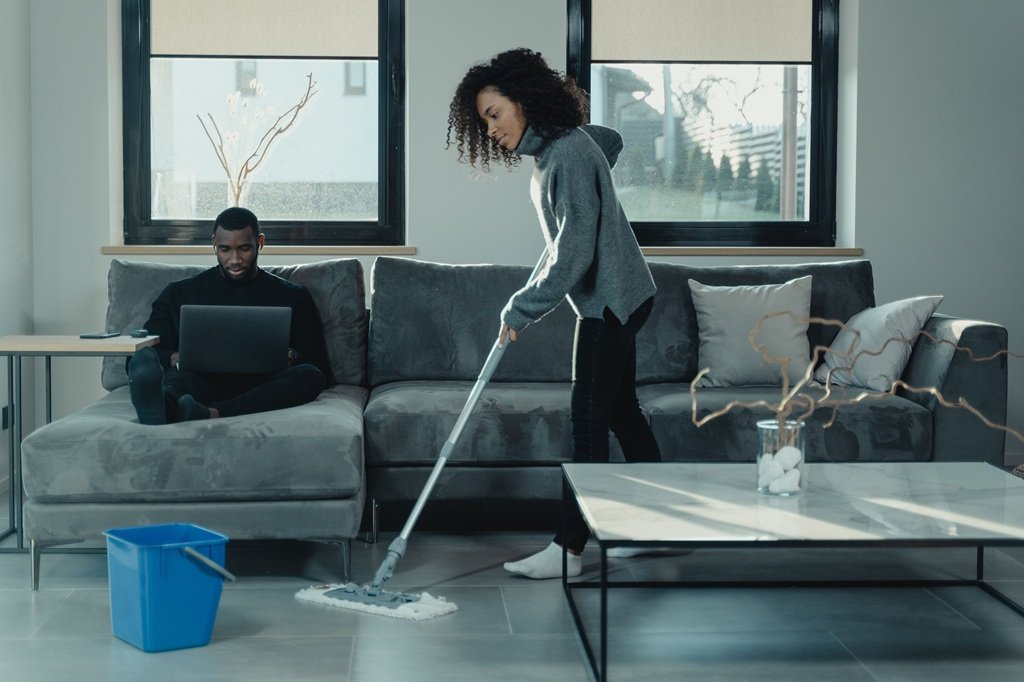
Convenience makes habits easier to maintain.
Keeping disinfecting wipes under bathroom sinks, microfiber cloths in the kitchen, and lightweight vacuums nearby encourages quick cleanups before messes spread.
If cleaning supplies require searching through closets every time they’re needed, small messes are more likely to be ignored.
Minimalism Makes Cleaning Easier
Minimalism doesn’t mean living in an empty white room.
Instead, it focuses on surrounding yourself with things that serve a purpose or genuinely bring value.
The fewer unnecessary possessions a home contains, the easier every cleaning task becomes.
Vacuuming takes less time.
Dusting becomes simpler.
Closets stay organized.
Shelves remain manageable.
Many homeowners discover that decluttering saves far more time than buying another cleaning product ever could.
Children Learn to Clean Along the Way
Families know that toys can transform a tidy room into chaos within minutes.
Rather than waiting until bedtime to clean everything, many parents encourage children to finish one activity before starting another.
Art supplies are put away before the next project begins.
Blocks return to storage bins before puzzles come out.
These small habits help children develop organizational skills while preventing overwhelming messes.
Cleaning Is Scheduled—Not Avoided
Rather than relying on motivation, people with consistently clean homes often rely on routines.
Daily habits may include making the bed, wiping kitchen counters, putting things away, and running one load of laundry.
Weekly routines cover vacuuming, bathrooms, changing bed linens, and dusting.
Monthly tasks include cleaning baseboards, organizing closets, washing windows, and deep-cleaning forgotten spaces.
Breaking cleaning into manageable pieces makes it feel less like work and more like maintenance.
They Accept That Perfect Doesn’t Exist
One surprising lesson from people with tidy homes is that they don’t chase perfection.
A lived-in home will always have signs of life.
There may be fingerprints on a refrigerator, shoes by the door, or toys in the family room.
The goal isn’t creating a museum.
The goal is creating a home that’s comfortable, functional, healthy, and easy to maintain.
By letting go of unrealistic expectations, homeowners often find it much easier to stay consistent.
The Bottom Line
The cleanest homes aren’t necessarily owned by people who spend the most time cleaning.
More often, they’re owned by people who have developed habits that prevent messes from becoming overwhelming.
They clean while they cook. They deal with clutter before it spreads. They return things to their proper place. They stay ahead of laundry, dishes, and paperwork instead of allowing chores to pile up.
Most importantly, they understand that a clean home isn’t built in one afternoon.
It’s created through small, intentional actions repeated day after day.
Those simple routines don’t just produce cleaner houses—they create calmer spaces, reduce stress, and free up more time to enjoy the home rather than constantly cleaning it.