



Revolutionary DNA Therapy Slashes Bad Cholesterol by Nearly 50% Without Statins
By Ravoke News Desk for Ravoke.com A groundbreaking scientific development could transform how high cholesterol is managed. Researchers have introduced an innovative DNA-based therapy that significantly reduces “bad” LDL cholesterol—without

By Ravoke News Desk for Ravoke.com
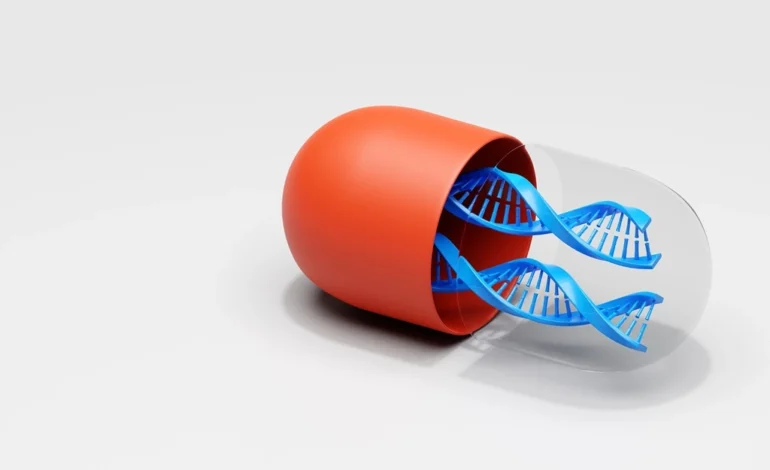
A groundbreaking scientific development could transform how high cholesterol is managed. Researchers have introduced an innovative DNA-based therapy that significantly reduces “bad” LDL cholesterol—without relying on traditional statin medications or their common side effects.
This next-generation approach targets a critical protein responsible for keeping cholesterol levels elevated in the bloodstream. Early findings suggest the treatment can cut harmful cholesterol levels nearly in half, offering new hope for patients seeking safer and more effective options.
A New Direction in Cholesterol Treatment
Excess cholesterol in the blood can lead to hypercholesterolemia, a condition that damages blood vessels and increases the risk of heart disease. Over time, this buildup contributes to atherosclerosis, where fatty deposits clog arteries and restrict blood flow.
Scientists from the University of Barcelona and the University of Oregon have now developed a promising method to address this issue at its source—by interfering with the biological processes that regulate cholesterol levels.
Targeting PCSK9: The Key to Lowering LDL
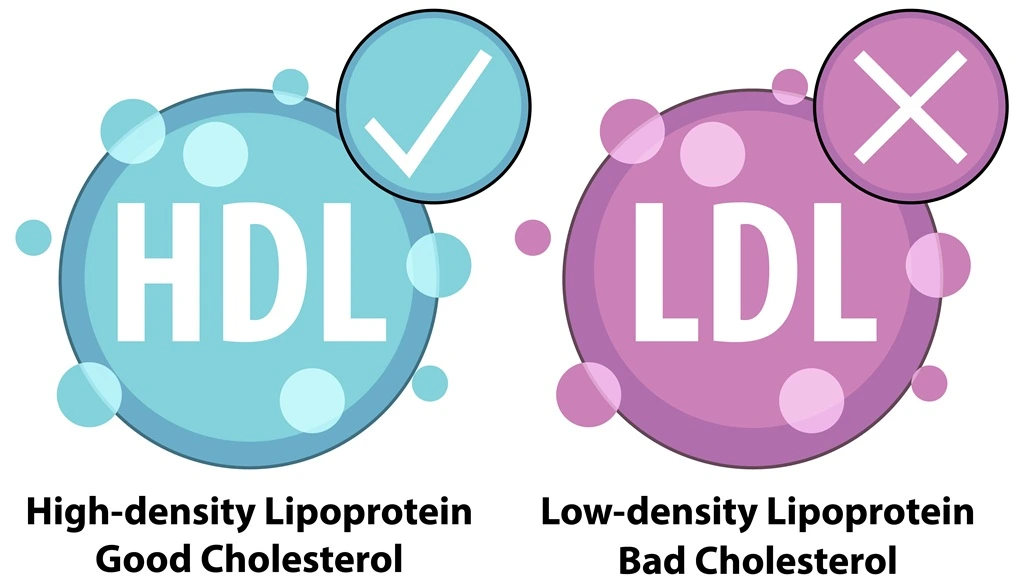
At the center of this innovation is PCSK9, a protein that plays a major role in controlling LDL cholesterol levels. Normally, LDL receptors on cells remove cholesterol from the bloodstream. However, PCSK9 reduces the number of these receptors, allowing cholesterol to accumulate.
The new therapy works by blocking the production of PCSK9. By doing so, it allows more LDL receptors to function properly, helping the body clear cholesterol more efficiently and prevent dangerous buildup in the arteries.
How DNA Molecules Do the Work
What Are Polypurine Hairpins?
The treatment uses specially engineered DNA fragments called polypurine hairpins (PPRHs). These molecules are designed to bind precisely to specific genetic sequences and stop certain genes from being activated.
How They Reduce Cholesterol
In this case, PPRHs target the gene responsible for producing PCSK9. By preventing this gene from being expressed:
- PCSK9 levels drop significantly
- LDL receptors increase
- More cholesterol is removed from the bloodstream
Two specific molecules—HpE9 and HpE12—showed especially strong effects in reducing both PCSK9 activity and cholesterol levels.
Strong Results in Early Testing
Laboratory and Animal Findings
Tests conducted on human liver cells and genetically modified mice produced impressive results:
- Up to 74% reduction in PCSK9 RNA levels
- Up to 87% decrease in PCSK9 protein
- Around 50% drop in cholesterol levels within days after a single dose
These outcomes highlight the therapy’s potential to deliver rapid and meaningful improvements.
A Potential Alternative to Statins
Statins have long been the standard treatment for high cholesterol, but they can cause side effects such as muscle pain and fatigue in some patients.
This new DNA-based approach may offer several advantages:
- Lower risk of side effects
- High stability and precision
- Cost-effective production
- No immune system complications observed so far
While other PCSK9-targeting treatments already exist—such as RNA-based drugs and antibody therapies—PPRHs could provide a simpler and potentially safer alternative.
What This Means for the Future
Although more research and clinical trials are needed, this discovery marks a major step forward in cardiovascular medicine. If future studies confirm these results, DNA-based therapies like this could redefine how cholesterol is treated—reducing reliance on traditional drugs and improving outcomes for millions of patients worldwide.
Materials provided by University of Barcelona.