




Red Light Therapy: Is It Really Worth It, or Just Another Wellness Trend?
By Ravoke News Desk I Have to Admit, I’ve Been Curious… For months now, red light therapy has been sitting quietly in the back of my mind. You can’t scroll

By Ravoke News Desk
I Have to Admit, I’ve Been Curious…
For months now, red light therapy has been sitting quietly in the back of my mind.
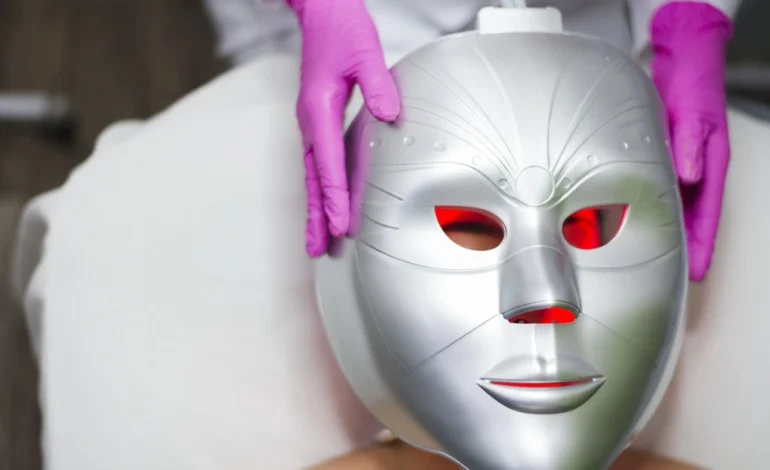
You can’t scroll through social media without seeing someone wearing what looks like a glowing sci-fi face mask or standing in front of a bright red panel claiming it’s changing their skin, easing pain, or even helping them grow thicker hair.
Then recently, someone I know—an older lady who has always taken good care of herself—showed me the red light therapy mask she had just bought. It wasn’t one of those expensive models that cost hundreds or even thousands of dollars. It was a simple, reasonably priced version she found online.
Her excitement made me wonder something many people are probably asking themselves.
Can an inexpensive red light therapy device actually work, or are the expensive ones in another league altogether?
Like most wellness trends, separating marketing from science isn’t always easy.
So I decided to find out.
What Exactly Is Red Light Therapy?
Despite the futuristic appearance, the concept isn’t new.
Red light therapy—also known as photobiomodulation—uses specific wavelengths of red and near-infrared light to stimulate cells beneath the surface of the skin.
Instead of heating the body like an infrared sauna or damaging skin the way ultraviolet sunlight can, red light delivers energy that is absorbed by tiny structures inside your cells called mitochondria.
Think of mitochondria as your body’s microscopic batteries.
When they receive this light energy, researchers believe they become more efficient at producing cellular energy, allowing skin and other tissues to repair themselves more effectively.
That’s the theory, and surprisingly, there’s growing research supporting parts of it.
Does It Really Work?
The honest answer is…
Yes—but probably not in the dramatic way social media often suggests.
Red light therapy isn’t a miracle treatment.
It won’t erase twenty years of wrinkles in a week.
It won’t instantly regrow a full head of hair.
And it certainly won’t replace healthy eating, sunscreen, exercise, or good medical care.
What it can do appears to be much more subtle.
Clinical studies have found that consistent use may improve collagen production, reduce inflammation, help calm acne, encourage wound healing, and even stimulate certain hair follicles.
Many dermatologists now include red light therapy alongside treatments like microneedling, prescription skincare, and chemical peels because it appears to complement—not replace—those therapies.
The Question Everyone Wants Answered…
Do Cheap Red Light Devices Actually Work?
This is where things become interesting.
The answer isn’t simply yes or no.
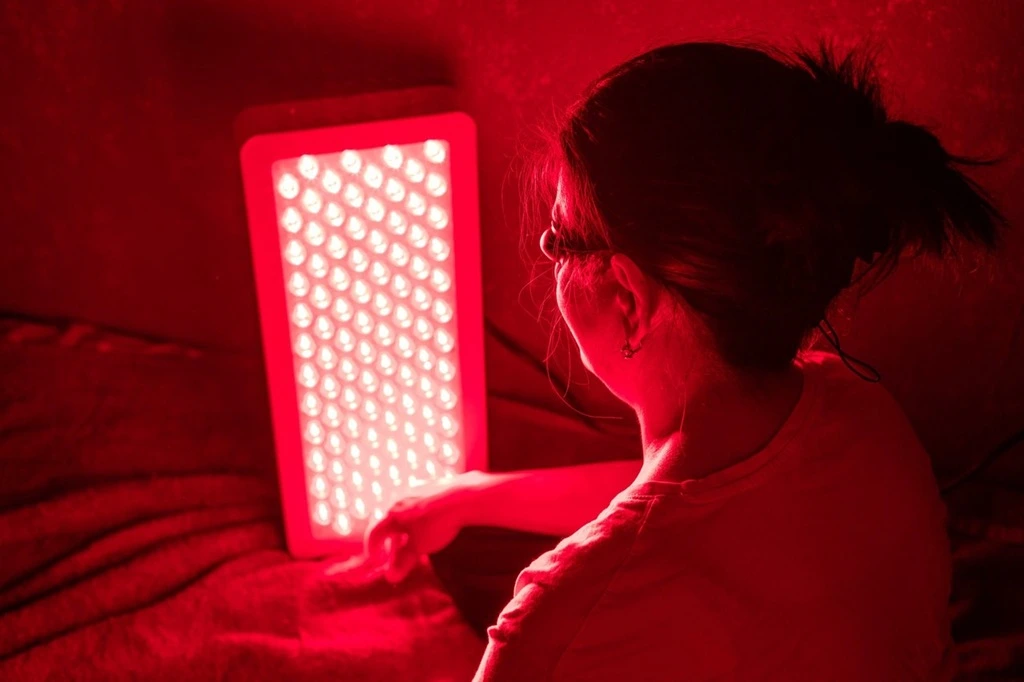
A $75 face mask and a $2,000 professional light panel are both producing red light, but they are not necessarily producing the same amount of it.
The biggest differences usually come down to:
- Light intensity (called irradiance)
- Size of the treatment area
- Accuracy of the wavelength
- Overall build quality
- Treatment time
Professional machines found in dermatology clinics typically deliver much stronger light, allowing treatments to be completed faster and with more consistent coverage.
Less expensive home devices often use fewer LEDs and lower power levels.
That doesn’t automatically mean they’re useless.
In fact, many dermatologists say a quality FDA-cleared home device can still provide benefits—it simply requires much more patience and consistency.
Think of it like exercising.
Using a professional machine is similar to working out with a personal trainer several times a week.
Using a budget home device is more like exercising on your own in your living room.
Both can help.
One usually gets you there faster.
So What About That $40 Mask Online?
Some of the very inexpensive products available online deserve a little skepticism.
Many advertise red light therapy but don’t actually list the wavelength or power output.
Others mix cosmetic LED lights with therapeutic LEDs, making it difficult to know whether you’re receiving enough light to produce any measurable effect.
That’s why experts recommend looking for devices that clearly state they are FDA-cleared and publish specifications for wavelengths, usually somewhere between 630 and 850 nanometers, depending on the intended use.
If a product seems unusually cheap and makes unbelievable promises, that’s often a warning sign.
How Long Before You Notice Anything?
This may be the biggest surprise.
Most people don’t notice much after the first session.
Or even the tenth.
Red light therapy works slowly.
People treating wrinkles often report subtle improvements after six to twelve weeks of regular use.
Hair growth usually takes even longer.
Many studies don’t show meaningful changes until three to six months of consistent treatments.
Pain and inflammation can sometimes improve sooner—occasionally after only a handful of sessions—but results vary greatly from person to person.
That’s one reason some people give up too early.
They expect dramatic overnight changes when the science suggests gradual improvement is much more realistic.
Is It Worth Spending More?
If you’re dealing with a significant skin condition, chronic pain, or hair loss, investing in a higher-quality device—or even scheduling treatments with a dermatologist—may make sense.
The stronger light output can shorten treatment times and may produce better results.
But for someone simply hoping to soften fine lines or improve overall skin appearance, a well-reviewed mid-priced home device may be enough.
The key isn’t necessarily spending more money.
It’s buying a legitimate product and actually using it.
That’s the part many people overlook.
A $1,500 panel collecting dust in a closet won’t outperform a $200 mask that’s used consistently every week.
Is It Safe?
Compared with many cosmetic treatments, red light therapy has an impressive safety profile.
Unlike ultraviolet light, it doesn’t appear to increase the risk of skin cancer.
Most side effects are mild and temporary, such as slight skin redness or irritation.
Eye protection should always be used if recommended by the manufacturer, and anyone with photosensitivity disorders or certain medical conditions should consult their healthcare provider before beginning treatment.
So…Would I Try It?
After digging into the research, I understand why so many people are curious.
Red light therapy isn’t magic.
It won’t stop aging.
It won’t replace medical treatments.
But it also isn’t just another internet fad.
The evidence suggests it may genuinely help with skin quality, inflammation, healing, and certain types of hair loss—provided expectations are realistic and treatments are consistent.
As for the older lady I know who bought the affordable mask?
She may not have purchased the most powerful device on the market, but that doesn’t necessarily mean she wasted her money.
If she sticks with it, follows the directions, and understands that results take weeks or even months instead of days, she may very well see improvements.
Sometimes the biggest difference between an expensive device and an affordable one isn’t whether they work.
It’s how quickly they get you there.