




Are At-Home Hormone Tests Worth It? What You Need to Know Before Buying One
At-home hormone tests are becoming increasingly popular, offering people a convenient way to explore questions about their health without immediately visiting a doctor’s office. Marketed for everything from menopause and


At-home hormone tests are becoming increasingly popular, offering people a convenient way to explore questions about their health without immediately visiting a doctor’s office. Marketed for everything from menopause and fertility to fatigue, stress, sleep, and physical performance, these kits promise a closer look at what may be happening inside the body.
For people experiencing unexplained symptoms, the appeal is understandable. Persistent tiredness, changes in mood, irregular periods, hot flashes, and changes in sexual health can leave people searching for answers. A test that promises insight from a simple saliva, urine, or blood sample may seem like an easy first step.
But how much can these tests actually tell you?
While some at-home hormone tests may provide useful information in specific circumstances, they cannot independently diagnose most hormone-related conditions or explain every symptom. Hormone levels fluctuate naturally, and understanding the results often requires medical history, a physical examination, and sometimes additional testing.
Before spending money on a kit, it is important to understand what these tests measure, where they fall short, and how to use the information responsibly.
What Are At-Home Hormone Tests?
At-home hormone tests allow consumers to collect a biological sample themselves or visit a collection center before the sample is analyzed by a laboratory. Depending on the product, the sample may be blood, saliva, or urine.
Some kits focus on a single hormone, while others measure several at once. Common offerings include tests for reproductive hormones, stress-related hormones, and hormones involved in thyroid function.
These tests are often marketed to people who want to learn more about fertility, menopause, energy levels, sleep, metabolism, or general wellness. Some companies provide digital reports, educational material, or consultations to help customers understand their results.
However, not all kits measure the same substances, use the same testing methods, or provide the same level of medical oversight. The quality of the laboratory, the type of sample collected, and the instructions for collecting it can all affect how useful the results are.
A key distinction is that measuring a hormone is not the same as diagnosing a hormone disorder. A result may fall within a laboratory’s reference range while a person still has symptoms that deserve investigation. Conversely, an unusual result does not automatically mean that a medical condition is present.
Why Hormone Levels Can Be Difficult to Interpret
Hormones act as chemical messengers, helping regulate processes such as reproduction, metabolism, growth, stress responses, and sleep. They do not remain at fixed levels throughout the day or across different stages of life.
Cortisol, which helps regulate the body’s response to stress, follows a daily rhythm and is affected by sleep, illness, medications, and other factors. Testosterone can vary with time of day and individual circumstances. Estrogen and progesterone change throughout the menstrual cycle, during pregnancy, and through the menopause transition.
Thyroid test results can also be influenced by medication, certain supplements, illness, and the specific laboratory methods used.
These natural variations mean that a single measurement may not tell the whole story. The timing of the test, the person’s age, symptoms, menstrual cycle stage, medications, and medical history can all influence how a clinician interprets the result.
This is one reason testing without a clear medical question can sometimes create more uncertainty instead of providing answers.
Can At-Home Tests Help Explain Menopause Symptoms?
Menopause is one of the major reasons people search for hormone testing. Hot flashes, night sweats, sleep disturbances, changes in mood, vaginal dryness, and shifts in sexual desire can affect daily life and overall well-being.
It is understandable that someone experiencing these changes might want to know whether their hormones are responsible.
However, diagnosing perimenopause or menopause does not always require a hormone test. For many people in the typical age range, healthcare professionals can make the assessment based on symptoms, menstrual history, and age. Hormone levels may fluctuate significantly during perimenopause, so a single result may not accurately represent what is happening over time.
There are situations in which testing may be appropriate, particularly when symptoms occur at an unusually young age, the diagnosis is unclear, or another medical condition needs to be considered. In those cases, a clinician can determine which tests, if any, are useful.
People experiencing significant menopause symptoms should not feel that they need to purchase an at-home kit before seeking help. Effective treatment options may be available, and a medical professional can help assess the benefits and risks of different approaches based on individual needs.
What About Fertility and Reproductive Hormones?
At-home hormone tests may also be marketed to people trying to conceive or understand their reproductive health. Certain tests can have a specific, established use. For example, urine ovulation predictor kits detect a rise in luteinizing hormone that can help identify the days leading up to ovulation.
Other hormone measurements may be used as part of a fertility evaluation, but they require more context. A single result cannot provide a complete picture of fertility, predict with certainty whether someone will become pregnant, or explain every cause of difficulty conceiving.
The timing of a blood test can be especially important when measuring reproductive hormones. A result that is expected at one stage of the menstrual cycle may be interpreted differently at another.
People with irregular periods, persistent pelvic pain, difficulty conceiving, or other reproductive health concerns should discuss their symptoms with a healthcare professional rather than relying exclusively on a consumer test.
Can Testing Cortisol Reveal Your Stress Levels?
Cortisol tests are frequently promoted to people who feel exhausted, overwhelmed, or unable to sleep well. Some marketing suggests that measuring cortisol can reveal whether everyday stress is disrupting the body’s balance.
The reality is more complicated.
Cortisol testing has a legitimate medical role when clinicians are investigating certain disorders involving the adrenal glands or the body’s hormone regulation systems. However, a random cortisol measurement is generally not a reliable way to measure everyday emotional stress or determine why someone feels tired.
Depending on the suspected condition, clinicians may use carefully timed blood, saliva, or urine tests and sometimes more than one measurement. The appropriate approach depends on the symptoms and the medical question being investigated.
An elevated result does not automatically mean someone needs to lower their cortisol. Likewise, a result within a reference range does not prove that fatigue, poor sleep, or stress-related symptoms have no medical explanation.
If you are struggling with ongoing stress, sleep problems, or exhaustion, it may be more helpful to evaluate the full range of possible causes. Sleep quality, nutrition, physical activity, medications, mental health, and underlying medical conditions can all play a role.
What Are the Risks of Relying on At-Home Hormone Tests?
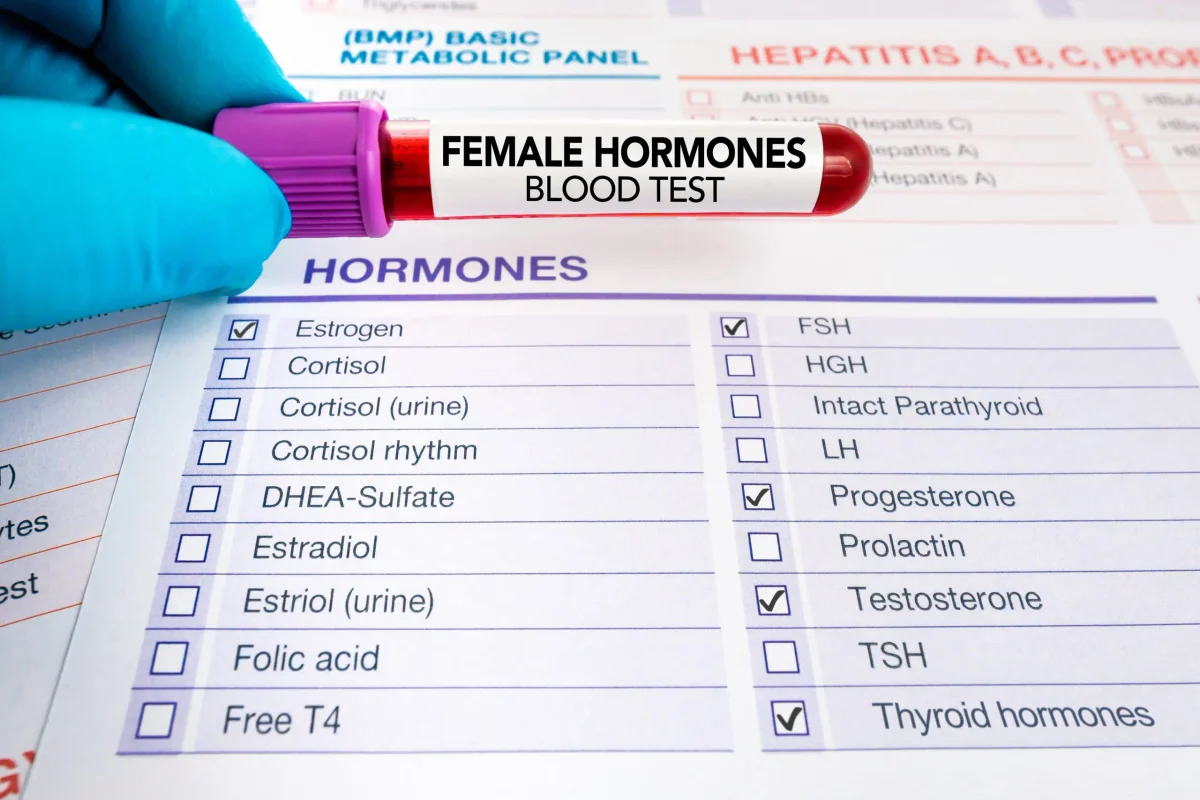
The biggest concern is not necessarily that every at-home test is inaccurate. It is that people may draw conclusions from results that cannot answer the question they are asking.
An unexpected number can cause unnecessary anxiety or lead someone to believe they have a disorder they do not actually have. A reassuring result can also create a false sense of security, potentially delaying evaluation of a real health problem.
Some companies offer personalized recommendations, supplements, or treatment plans based on test results. Consumers should be cautious about making treatment decisions from a report alone, particularly if the recommendations involve prescription hormones or high-dose supplements.
Hormone therapy can have meaningful benefits for certain medical conditions, but it is not appropriate for everyone. Treatment decisions should take into account the person’s symptoms, medical history, potential risks, and established clinical guidance.
Before purchasing a kit, check whether the laboratory is appropriately certified for the testing it performs, what the test can and cannot establish, whether a clinician reviews the results, and whether follow-up care is available. In the United States, consumers can also ask whether the laboratory meets applicable CLIA requirements. Laboratory certification is important, but it does not guarantee that a particular test is clinically useful for every purpose advertised.
When Should You Talk to a Doctor Instead?
If you are considering hormone testing, start by identifying the symptom or concern you want to understand. That can help a healthcare professional determine whether a hormone measurement is likely to provide meaningful information.
Persistent fatigue, unexplained weight changes, menstrual irregularities, hot flashes, changes in sexual function, or sleep difficulties may have multiple causes. Hormone testing may be appropriate in some cases, but other examinations or laboratory tests may be needed to investigate the underlying issue.
It is particularly important to seek professional guidance if symptoms are worsening, interfere with daily life, begin unusually early, or occur alongside other concerning changes.
A clinician can help select the appropriate test, determine when the sample should be collected, and explain whether an abnormal result needs to be repeated or investigated further. This can reduce the risk of paying for unnecessary tests or pursuing treatment based on incomplete information.
How to Make a Smarter Decision Before Buying a Test
At-home hormone testing is not automatically a waste of money, but its value depends on the specific test and the reason for taking it.
A useful test should answer a clear question, use a suitable method, and provide results that can meaningfully guide a health decision. Before buying a kit, consider whether the result would change what you do next and whether you have access to a qualified professional who can help interpret it.
Be skeptical of products that promise to identify every cause of fatigue, reverse hormone imbalances, or optimize your entire body from a single sample. Hormonal health is complex, and no single measurement can explain every aspect of how a person feels.
If you have mild symptoms and are curious about testing, discuss the options with your healthcare provider. If you have worsening symptoms, a complicated medical history, or concerns about a possible hormone disorder, seek medical advice before relying on a consumer test.
The Bottom Line on At-Home Hormone Testing
At-home hormone tests can offer convenience, and some have legitimate uses when they measure the right hormone for a specific purpose. But they are not a shortcut to understanding every symptom or diagnosing every hormone-related condition.
The most meaningful results come from combining appropriate testing with an understanding of the person behind the numbers. Symptoms, medical history, age, medications, and other health factors all matter.
Rather than treating a hormone report as a final answer, use it as a potential starting point for a conversation with a qualified healthcare professional. The goal is not simply to measure more hormones, but to understand what your body may be telling you and determine which next steps are supported by evidence.
Health Disclaimer: This article is for educational purposes only and is not a substitute for professional medical advice, diagnosis, or treatment. Speak with a qualified healthcare professional about symptoms, testing options, and treatment decisions.