




I’m Trying to Live Longer Than My Parents—Why Are American Men Dying Younger?
No one wants to outlive their parents by just a few years—or worse, pass away before them. Yet, today, American men are dying younger than their fathers did. That thought
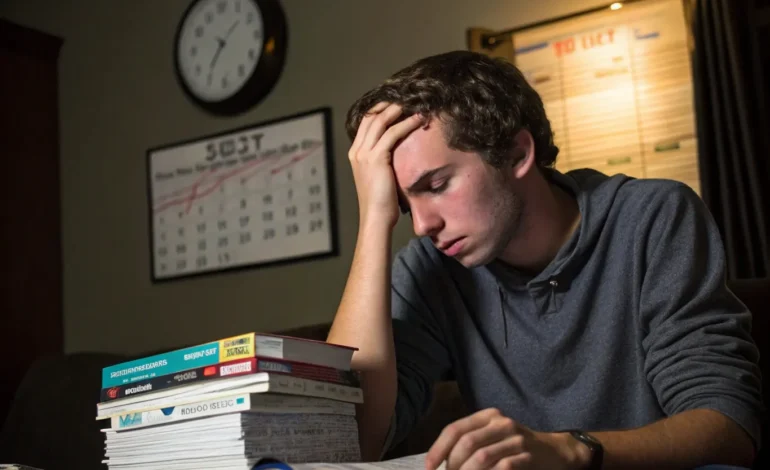

No one wants to outlive their parents by just a few years—or worse, pass away before them. Yet, today, American men are dying younger than their fathers did. That thought stops me in my tracks. How did we get here? And more importantly, how do I—and so many others—break this heartbreaking trend?
When I look around, I see a lethal mix of challenges gripping men like me: rising suicide rates, addiction epidemics, and deepening isolation. But I wonder—how much of this is tied to what we eat, how we live, and the world we’ve built?
Is Food Part of the Problem?
Diet plays a huge role in health, and America’s food landscape has shifted dramatically in recent decades. The rise of processed foods, high in sugar, unhealthy fats, and additives, has contributed to obesity, diabetes, heart disease—the very illnesses shortening lives.
I grew up watching parents and relatives rely on cheap, convenient meals, often from fast food or heavily processed ingredients. These foods don’t just hurt our bodies—they impact mental health and energy levels, fueling cycles of fatigue and depression.
Experts agree that nutrition is a key factor. Dr. Linda Marsh, a nutritionist specializing in men’s health, says,
“What we eat affects every system—cardiovascular, neurological, immune. Improving diet is one of the most powerful ways to increase longevity.”
Other Hidden Factors Impacting Men’s Longevity
But food is only one piece of a much larger puzzle. Economic instability, especially for working-class and rural men, creates chronic stress. Jobs that once provided security have vanished or become more dangerous, leading to anxiety and despair.
Mental health remains deeply stigmatized among men. Many struggle silently, afraid to admit vulnerability or ask for help. I’ve seen this firsthand in friends who battle depression or addiction behind closed doors, trapped by shame.
Social isolation is another killer. In an era where genuine connection seems harder to find, many men face loneliness that chips away at their well-being. According to Dr. Michael Rodriguez, a rural health expert,
“Isolation can be as deadly as smoking or obesity. Men in isolated communities often lack support networks essential to mental and physical health.”
The Grim Reality: Why Are Men Dying Younger?
The data tells a grim story. According to the CDC, male life expectancy in the U.S. has declined over the last few years—a trend unseen since the early 20th century. Suicide rates among men have soared, particularly in rural areas, while the opioid epidemic and other substance addictions have devastated communities nationwide.
This crisis disproportionately impacts groups often left out of national conversations: working-class men in vanishing industries, rural men facing healthcare deserts, men of color battling systemic inequities, and LGBTQ+ men struggling with discrimination and isolation.
Dr. Rodriguez points out,
“Many men in these communities feel invisible and disconnected. The stigma around seeking help for mental health or addiction issues runs deep, making the silence deadly.”
Why I’m Determined to Break the Cycle
I don’t want to be another statistic. I want to live longer, healthier, and more connected than my parents. That means taking a hard look at my lifestyle, my community, and the systems around me.
It means advocating for better mental health care, healthier food access, and economic opportunities that restore dignity and hope.
It means breaking down cultural myths about masculinity—learning that seeking help isn’t weakness, but strength.
And it means rebuilding bonds—family, friendships, community—that sustain us.
Read About: The Future of Longevity Is Bright — But Only If We Stop Marketing It to Just the Wealthy
What Can Be Done: A Call to Action
This isn’t just a personal issue. It’s a national crisis with deep roots in policy, culture, and social structure. To turn it around, we need:
- Expanded mental health services that are accessible and stigma-free. Telehealth can help, but affordability and trust are essential.
- Economic revitalization with investments in training, education, and new industries for displaced workers.
- Public health campaigns that promote nutritious food and healthy lifestyles.
- Policy reforms supporting addiction treatment, affordable healthcare, and social safety nets tailored to men’s unique challenges.
- Cultural shifts redefining masculinity to embrace vulnerability and help-seeking as strengths.
Reimagining Longevity
Ultimately, living longer isn’t just about adding years—it’s about adding life to those years. To do that, we have to change not only what men eat and how they access care, but how they connect with each other and see themselves in society.
I believe we can change this trajectory, but only if we face it honestly, together.
Because no one should have to die younger than their parents.