

Varicose Veins: More Than a Cosmetic Problem—What Men and Women Need to Know About the Pain, Risks, and Treatments
For some people, varicose veins are little more than visible blue or purple lines running beneath the skin. For others, they are a daily reminder that something isn’t right. Legs
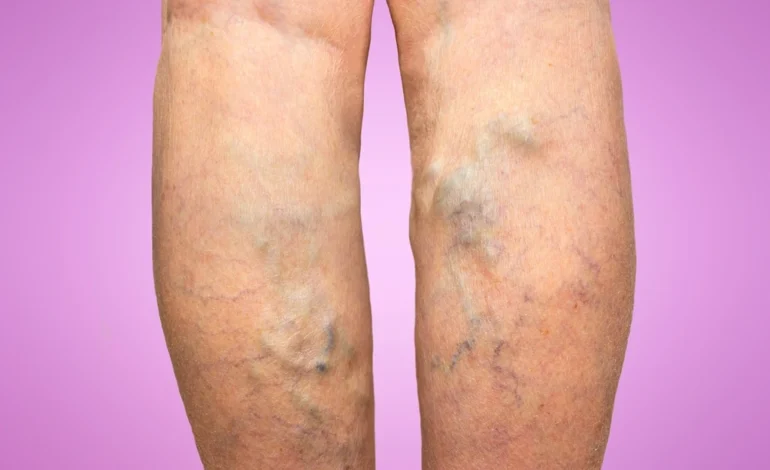

For some people, varicose veins are little more than visible blue or purple lines running beneath the skin. For others, they are a daily reminder that something isn’t right. Legs feel heavy after a long day. Ankles swell. Walking becomes uncomfortable. Skin begins to itch, change color, or develop sores that refuse to heal.
Varicose veins are often dismissed as a cosmetic issue, particularly when they appear on the legs. But these enlarged, twisted veins can signal an underlying circulation problem that deserves attention.
Women are more likely to develop varicose veins, but men experience them too. And regardless of gender, the condition can affect comfort, mobility, confidence, and quality of life.
So what actually causes varicose veins? When should you worry? Can they be treated without surgery? And how do you know when it is time to see a specialist?
Understanding the answers can help you protect your vein health before a seemingly minor problem becomes a more serious one.
What Are Varicose Veins, and Why Do They Develop?
Your veins have an important job: carrying blood back toward your heart. In your legs, this process has to work against gravity.
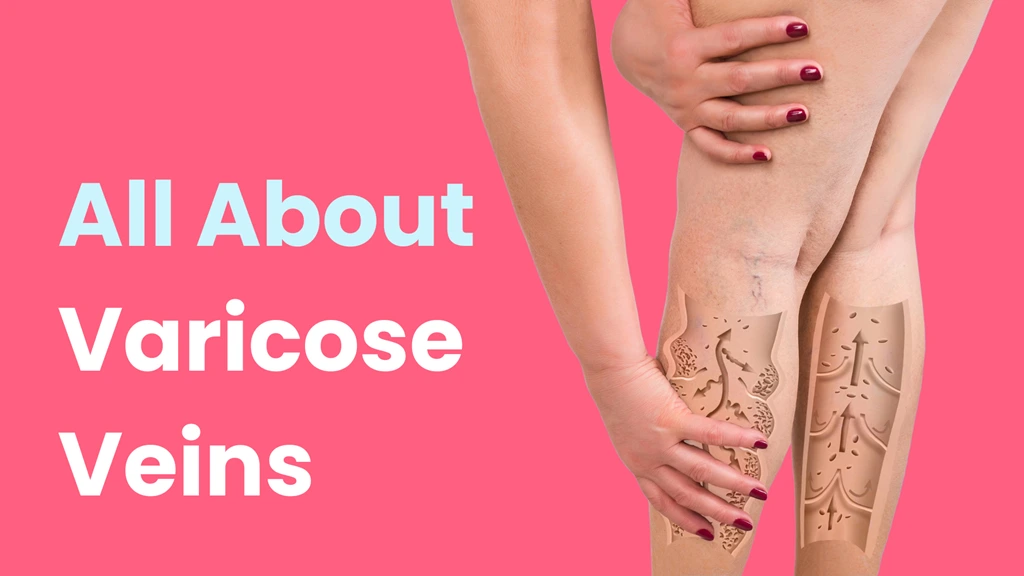
To help blood move upward, veins contain tiny one-way valves. These valves open to allow blood through and close to prevent it from flowing backward.
When the valves become weak or damaged, they may not close properly. Blood can then flow backward and collect inside the vein. Over time, the pressure causes the vein to enlarge, twist, and become visible beneath the skin.
This condition is known as chronic venous insufficiency when it involves ongoing problems with blood returning from the legs.
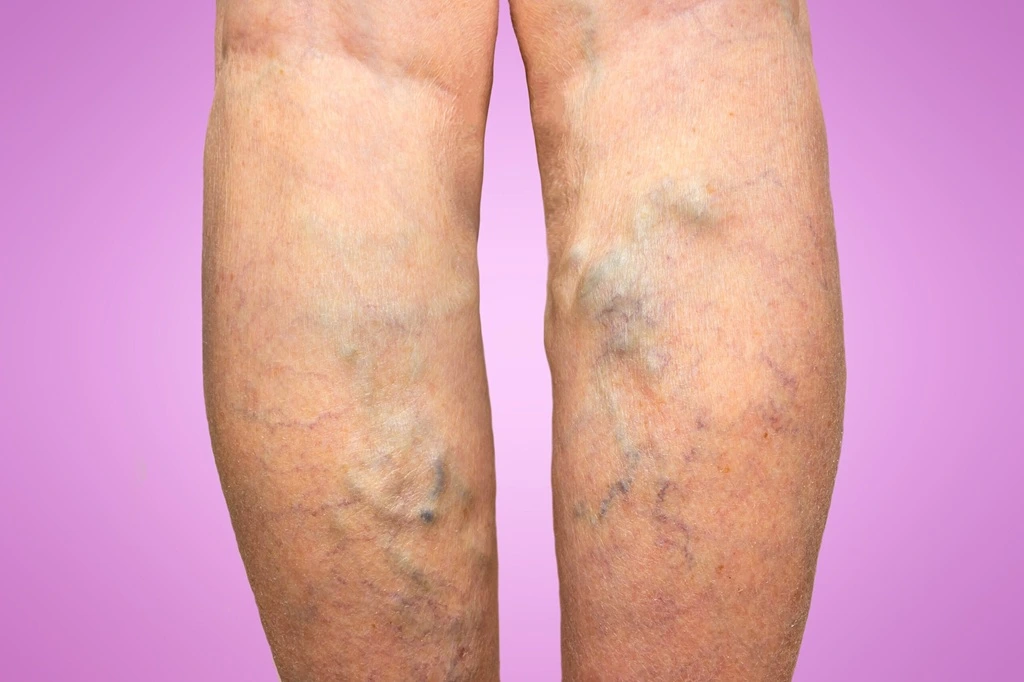
Varicose veins are one possible sign of this problem. They commonly appear as raised, bulging blue or purple veins, particularly in the calves, behind the knees, and along the thighs.
They are different from spider veins, which are smaller, flatter red, blue, or purple vessels near the surface of the skin. Spider veins are generally a cosmetic concern, although both conditions can sometimes occur together.
Why Do Some People Get Varicose Veins?
There isn’t always one clear reason. Several factors can increase the pressure inside leg veins or affect the strength of their walls and valves.
Common risk factors include:
- Family history: If your parents or close relatives have varicose veins, your chances may be higher.
- Age: Vein walls and valves can weaken over time.
- Pregnancy: Increased blood volume, hormonal changes, and pressure from the growing uterus can affect circulation.
- Being overweight: Extra weight can increase pressure on the veins in the legs.
- Prolonged standing or sitting: Remaining in one position for long periods can make it harder for blood to return toward the heart.
- Previous blood clots: Certain past vein problems can damage valves and affect circulation.
- Hormonal influences: Hormonal changes, including those associated with pregnancy and menopause, may contribute to vein problems.
You cannot control every risk factor, particularly genetics and age. But understanding what contributes to varicose veins can help you recognize when to take action.
How Women and Men Experience Varicose Veins Differently
Varicose veins affect both sexes, but women are more frequently diagnosed with them. Pregnancy, hormonal changes, and certain reproductive factors may contribute to this difference.
For women, pregnancy can be a major turning point. The body carries more blood, hormone levels change, and pressure from the growing uterus can interfere with blood returning from the legs. Some women develop varicose veins during pregnancy, while others notice existing veins becoming more prominent.
The condition can also become more noticeable with age and hormonal transitions. Women may experience aching, swelling, heaviness, and discomfort that makes standing for long periods or wearing certain clothing uncomfortable.
For men, varicose veins are sometimes overlooked. Men may be less likely to seek treatment because they assume the condition is primarily associated with women or simply an issue of appearance.
But men can experience the same symptoms: aching legs, swelling, itching, skin changes, and complications. Some men also have varicose veins around the testicles, a related but distinct condition called a varicocele. It can sometimes be associated with discomfort or fertility concerns and requires a different medical evaluation.
The message is simple: varicose veins are not a women’s-only condition, and men should not ignore symptoms or delay an evaluation.
The Warning Signs: What Do Varicose Veins Feel Like?
The appearance of a vein is only part of the story. Some people have prominent varicose veins without pain, while others experience significant discomfort even when the visible changes seem relatively mild.
Common symptoms include:
- Aching, throbbing, or soreness in the legs.
- A feeling of heaviness or tiredness, particularly toward the end of the day.
- Swelling around the ankles or lower legs.
- Itching or irritation around affected veins.
- Burning or cramping sensations.
- Nighttime leg cramps.
- Skin that becomes dry, irritated, or discolored.
- Symptoms that worsen after prolonged standing or sitting.
Many people notice that their legs feel better after walking, resting, or elevating their feet.
If these symptoms are persistent, worsening, or interfering with daily activities, it is worth speaking with a healthcare professional. You do not have to wait until the veins become large or painful.
When Varicose Veins Become More Than a Cosmetic Concern
Most varicose veins do not lead to serious complications, but untreated vein disease can sometimes progress.
This is where people need to pay closer attention.
Skin changes and inflammation: Long-term pressure in the veins can affect the surrounding skin. The lower legs may become itchy, dry, inflamed, or darker in color. Some people develop a condition called venous eczema.
Bleeding: A vein close to the skin’s surface can sometimes rupture, particularly after a minor injury. Because these veins are under pressure, bleeding can be significant. If this happens, lie down, elevate the leg, and apply firm, direct pressure. Seek urgent medical care if bleeding does not stop promptly or is heavy.
Superficial vein thrombosis: A clot can develop in a vein close to the skin, causing a painful, red, warm, hard area. This needs medical assessment because it can sometimes be associated with deeper vein clotting.
Venous leg ulcers: In more advanced cases, poor circulation and increased pressure can contribute to open sores, often around the ankles. These wounds may take a long time to heal and can become infected.
Deep vein thrombosis (DVT): A clot in a deep vein is a different condition from an ordinary varicose vein, but people with vein problems should be aware of its warning signs. Sudden swelling, pain, warmth, or redness in one leg requires urgent medical assessment. If leg symptoms occur with chest pain, difficulty breathing, coughing blood, or fainting, seek emergency help.
Varicose veins do not automatically mean a person has a dangerous blood clot. However, new or sudden symptoms should never be dismissed.
How Are Varicose Veins Diagnosed?
A healthcare professional will usually begin by asking about symptoms, family history, previous blood clots, pregnancies, medications, and daily activity.
The legs may be examined while standing or sitting to identify enlarged veins, swelling, skin changes, or signs of complications.
One of the most useful tests is a duplex ultrasound. This painless, noninvasive scan uses sound waves to examine blood flow through the veins. It can show whether blood is flowing backward through faulty valves and help identify the veins responsible for the problem.
The ultrasound is particularly important when symptoms are significant or a procedure is being considered. It helps the specialist understand what is happening beneath the skin rather than treating only the veins that are visible.
How Can You Treat Varicose Veins?
Treatment depends on the size and location of the veins, the severity of symptoms, the ultrasound findings, and the person’s overall health.
Some people need only lifestyle changes and monitoring. Others benefit from procedures that close or remove the affected veins.
The good news is that many modern treatments are minimally invasive and can be performed without traditional surgery.
1. Walking and Regular Movement
One of the simplest ways to support healthy circulation is to move.
The calf muscles act like a pump, helping push blood upward toward the heart. Walking, swimming, cycling, and other appropriate forms of exercise encourage these muscles to work.
If your job requires long periods of sitting or standing, take regular movement breaks. Even short walks and ankle movements can help reduce the effects of remaining in one position.
2. Elevating Your Legs
Raising your legs when resting can help reduce pressure in the veins and relieve swelling.
Try lying down and placing your legs on pillows so they are elevated above the level of your heart for short periods, if comfortable.
This may improve symptoms, although it does not repair damaged vein valves.
3. Compression Stockings
Compression stockings apply controlled pressure to the legs, helping support blood flow and reduce swelling, aching, and heaviness.
They can be useful for people who stand for long periods, during pregnancy, or while managing symptoms before or after treatment.
However, the correct type and pressure matter. Compression stockings are not suitable for everyone, particularly people with certain problems affecting arterial circulation. A healthcare professional should help determine whether they are appropriate and how they should be fitted.
Compression can relieve symptoms, but it does not permanently correct faulty valves.
4. Sclerotherapy
Sclerotherapy is a procedure in which a specialist injects a solution or foam into an affected vein. The treatment irritates the vein’s lining, causing it to close. Blood then flows through other healthy veins, and the treated vessel gradually fades or is absorbed by the body.
It is commonly used for smaller varicose veins and spider veins. Ultrasound-guided foam sclerotherapy can also be used for certain larger veins.
Some people need more than one treatment. Temporary bruising, discomfort, and skin discoloration can occur, while more serious complications are less common.
5. Laser and Radiofrequency Ablation
These treatments are commonly used for larger veins with faulty valves.
A specialist inserts a thin catheter into the affected vein, usually using ultrasound guidance. Laser or radiofrequency energy heats the inside of the vein, causing it to close.
The body gradually redirects blood through healthier veins.
These procedures are generally performed with local anesthesia, often as outpatient treatments. Many people return to normal activities relatively quickly, although bruising, tenderness, and other temporary side effects can occur.
6. Ambulatory Phlebectomy
For some prominent veins close to the skin, a specialist may recommend ambulatory phlebectomy.
The doctor makes tiny openings in the skin and removes sections of the affected vein using specialized instruments.
It is often performed with local anesthesia and may be combined with another vein procedure.
7. Traditional Vein Surgery
In more complex cases, surgery may be recommended to tie off or remove affected veins. This is sometimes called ligation and stripping.
Because less invasive treatments are now available for many patients, traditional surgery is not always the first choice. It may still be appropriate when other approaches are unsuitable.
When Is It Time to Treat Varicose Veins?
There is no need to panic when you notice a visible vein. Not every varicose vein requires a procedure, and some people live comfortably with them for years.
But there are good reasons to seek an evaluation.
Consider making an appointment if:
- Your legs regularly ache, throb, or feel heavy.
- Swelling is becoming more frequent.
- You experience persistent itching or skin irritation.
- The veins are becoming larger or more prominent.
- You notice changes in skin color or texture.
- You have a sore near your ankle that is not healing.
- Symptoms interfere with walking, exercise, work, or sleep.
Bleeding from a varicose vein needs urgent medical attention. Sudden one-sided leg swelling or pain also needs prompt assessment to rule out a blood clot.
Treatment is not only about appearance. For people with symptomatic vein disease, addressing the underlying circulation problem may improve comfort and reduce the risk of complications.
Can Varicose Veins Be Prevented?
There is no guaranteed way to prevent them, particularly if genetics or pregnancy play a role. But certain habits can support vein health and help manage symptoms.
- Stay physically active and make walking part of your routine.
- Avoid remaining seated or standing in one position for extended periods.
- Maintain a healthy weight where possible.
- Elevate your legs when resting if swelling is a problem.
- Avoid smoking.
- Wear comfortable footwear that allows normal ankle movement.
- Discuss compression stockings with a healthcare professional if your work or lifestyle involves prolonged standing or sitting.
It is also important to understand that creams, supplements, and home remedies cannot reliably repair damaged vein valves or eliminate established varicose veins. Be cautious of products promising to make them disappear permanently.
Pregnancy and Varicose Veins: What Women Should Know
Pregnancy deserves special attention because varicose veins can develop or become worse during this time.
Hormonal changes relax vein walls, blood volume increases, and pressure from the growing uterus can make it more difficult for blood to return from the legs.
Some pregnancy-related varicose veins improve after childbirth, although they may not disappear completely.
Doctors may recommend movement, leg elevation, and properly fitted compression stockings to help manage symptoms. Procedures to treat varicose veins are generally postponed during pregnancy unless there is an exceptional medical reason.
Women who develop sudden leg swelling or pain during pregnancy or after delivery should seek prompt medical assessment, because pregnancy and the postpartum period also increase the risk of DVT.
The Emotional Side: Living With Visible Vein Problems
Varicose veins can affect more than physical comfort.
For some women, visible veins change how they feel about wearing dresses, shorts, or swimsuits. They may avoid showing their legs or feel self-conscious about their appearance.
Men can experience similar concerns, although they may be less likely to discuss them or seek help.
There is also the frustration of living with symptoms that other people may not see. Someone can look perfectly healthy while dealing with daily leg pain, swelling, or fatigue.
It is important not to minimize these experiences. If vein problems affect your confidence, mobility, work, or quality of life, those concerns are worth discussing with a healthcare professional.
A proper evaluation can help separate cosmetic concerns from underlying vein disease and identify the options available.
The Bottom Line: Don’t Ignore What Your Legs Are Telling You
Varicose veins are common, but common does not mean they should always be ignored.
For some people, they are primarily a cosmetic concern. For others, they are a sign of faulty vein valves and circulation problems that can lead to pain, swelling, skin damage, bleeding, and ulcers.
Women may face additional risks related to pregnancy and hormonal changes, but men can experience the condition and its complications just as seriously.
The most important step is knowing when to seek help. If your veins are painful, swelling is increasing, your skin is changing, or daily activities are becoming uncomfortable, speak with a healthcare professional. A duplex ultrasound can help identify the underlying problem, and modern treatments offer several options beyond traditional surgery.
Your legs carry you through life. Paying attention to their health is not vanity. It is part of taking care of your overall well-being.
Medical Disclaimer: This article is for educational purposes only and is not a substitute for professional medical advice, diagnosis, or treatment. If you have painful or worsening varicose veins, skin changes, swelling, or a nonhealing sore, consult a qualified healthcare professional. Sudden leg swelling or pain requires prompt medical assessment. Chest pain, difficulty breathing, fainting, or severe bleeding requires emergency care.