

It Happened in an Instant: Would You Recognize the Signs of a Stroke? Remember BE FAST
Imagine sitting across from someone you love at the dinner table. You are talking, laughing and enjoying an ordinary moment. Then something changes. Their smile suddenly looks uneven. They struggle
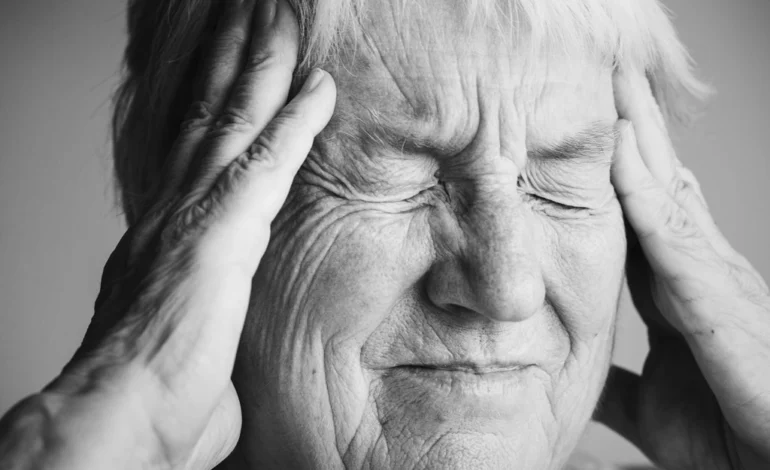

Imagine sitting across from someone you love at the dinner table. You are talking, laughing and enjoying an ordinary moment. Then something changes. Their smile suddenly looks uneven. They struggle to get a sentence out. When they stand up, they seem unsteady, almost as if they have lost control of their balance.
At first, you might think they are tired, dizzy or simply not feeling well. You may even wonder whether it will pass.
But what if it is a stroke?
A stroke can happen in an instant, turning an ordinary day into a life-changing emergency. And one of the biggest dangers is not recognizing what is happening quickly enough.
Knowing the warning signs could make the difference between getting help in time and losing precious minutes. That is why everyone should remember three simple words: BE FAST.
This easy-to-remember acronym can help you recognize six important stroke warning signs and understand when it is time to call 911.
A Normal Day Can Become an Emergency in Seconds
One of the frightening things about a stroke is that it does not always announce itself in an obvious way.
Someone may suddenly have trouble speaking. Another person might lose their balance while walking across a room. Someone else may experience blurred vision or weakness on one side of the body.
These changes can happen without warning.
A family member might dismiss the symptoms as exhaustion, low blood sugar, dizziness or simply getting older. The person experiencing them may not even realize something serious is happening.
That hesitation can be dangerous.
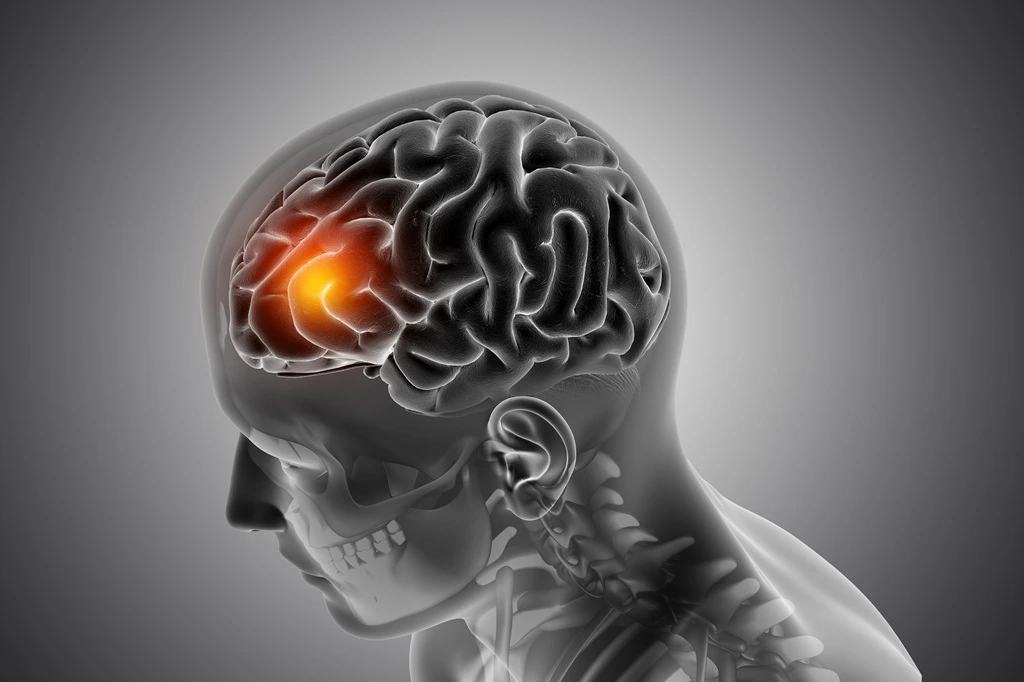
A stroke occurs when blood flow to part of the brain is interrupted or when a blood vessel in the brain ruptures. Brain cells need a constant supply of oxygen and nutrients. When that supply is disrupted, brain cells can begin to die.
The longer treatment is delayed, the greater the potential for lasting damage.
Stroke is a medical emergency. Recognizing the signs and calling for help immediately gives medical professionals the opportunity to assess the situation and determine the most appropriate treatment.
Remember BE FAST: Six Warning Signs That Could Save a Life
Many people have heard of FAST, which stands for Face, Arms, Speech and Time. The expanded version, BE FAST, adds Balance and Eyes to help people recognize additional warning signs.
These two additions are important because some strokes, particularly those affecting areas involved in balance and vision, may not begin with the symptoms people traditionally associate with a stroke.
Here is what each letter means.
B — Balance Loss
Imagine someone who normally walks confidently suddenly stumbling, leaning to one side or struggling to stand.
A sudden loss of balance or coordination can be a stroke warning sign.
Someone experiencing a stroke may become dizzy, have difficulty walking, lose coordination or feel as though the room is spinning. They may appear unusually unsteady or have trouble controlling their movements.
Dizziness can have many causes, but sudden balance problems should never be casually dismissed, especially when they occur alongside other neurological symptoms.
E — Eye or Vision Changes
Vision problems can be another warning sign.
A person may suddenly experience blurred vision, double vision or loss of vision in one or both eyes. They might have difficulty seeing objects clearly or notice that part of their visual field has disappeared.
Some people may not immediately understand what is happening. They may simply feel that their surroundings look different or that they cannot see properly.
Sudden vision changes deserve immediate medical attention. Do not assume they are caused by tired eyes or ordinary aging.
F — Face Drooping
Facial drooping is one of the most recognizable signs of a stroke.
One side of the face may suddenly become weak or numb. The person’s smile may appear uneven, or one side of their mouth may droop.
If you suspect a stroke, ask the person to smile. Look for an uneven expression or difficulty moving one side of the face.
It is important to remember that not every stroke causes facial drooping. A normal-looking smile does not rule out a stroke.
A — Arm Weakness
Sudden weakness or numbness in one arm is another major warning sign.
Ask the person to raise both arms. If one arm cannot stay raised, drifts downward or feels noticeably weaker than the other, it may indicate a neurological problem.
Stroke-related weakness often affects one side of the body. It may involve the arm, leg or both.
Someone might describe the feeling as heaviness, numbness or an inability to control their movement.
S — Speech Difficulty
A stroke can affect the areas of the brain responsible for language and communication.
A person may suddenly slur their words, struggle to form sentences or have difficulty understanding what others are saying.
They may know what they want to communicate but be unable to get the words out. In other cases, they may speak in a way that does not make sense.
One simple way to check is to ask the person to repeat a short sentence. Listen for unusual speech, difficulty finding words or an inability to repeat the phrase.
Sudden speech problems should always be treated seriously.
T — Time to Call 911
This is the most important part of BE FAST.
If you notice even one possible stroke symptom, call 911 immediately.
Do not wait for the person to develop additional symptoms. Do not assume they are having a bad day. And do not wait to see whether they feel better after resting.
Emergency medical professionals can begin evaluating the person and alert the hospital while they are on the way.
Some stroke treatments are highly time-sensitive. The sooner a person receives medical attention, the sooner doctors can determine what type of stroke may be occurring and whether time-dependent treatments are appropriate.
When it comes to a suspected stroke, time is not something to waste.
What Should You Do If Someone You Love Is Having a Stroke?
Knowing the warning signs is only half the battle. Knowing how to respond can be just as important.
If you believe someone is having a stroke:
- Call 911 immediately. Tell the emergency operator you suspect a stroke and describe the symptoms.
- Record when symptoms began. If you do not know the exact time, note when the person was last seen behaving normally. This information can help doctors determine treatment options.
- Do not drive the person yourself. An ambulance allows emergency personnel to begin assessing the situation and communicate with the hospital.
- Keep the person safe. Help them sit or lie down comfortably and stay with them. Follow the emergency operator’s instructions.
- Do not give food, drinks or medication. A stroke can affect swallowing, creating a choking risk. Do not give aspirin unless medical professionals specifically instruct you to do so. Some strokes involve bleeding, and aspirin could make the situation worse.
- Watch for changes. Tell emergency responders if symptoms disappear, worsen or new symptoms develop.
If the person becomes unresponsive or stops breathing normally, tell the 911 operator and follow their instructions.
What If the Symptoms Disappear?
This is where many people make a dangerous mistake.
Imagine someone suddenly struggles to speak or experiences weakness in one arm. A few minutes later, they seem completely normal again.
The family may feel relieved and decide there is no reason to go to the hospital.
But temporary symptoms can be a warning of something serious.
A transient ischemic attack, commonly called a TIA or mini-stroke, occurs when blood flow to part of the brain is temporarily blocked. Symptoms may last only a few minutes before disappearing.
Although the symptoms may resolve, a TIA is an important warning sign of increased risk for a future stroke.
It requires urgent medical evaluation. Never assume that disappearing symptoms mean the danger has passed.
Who Is at Risk of Having a Stroke?
A stroke can happen at any age, although the risk generally increases as people get older.
Certain medical conditions and lifestyle factors can increase the likelihood of having one.
High blood pressure: High blood pressure is one of the most important stroke risk factors. Over time, it can damage blood vessels and increase the risk of blockages or bleeding.
Diabetes: Diabetes can damage blood vessels and increase the risk of cardiovascular disease, including stroke.
High cholesterol: Elevated LDL cholesterol can contribute to plaque buildup in arteries, potentially restricting blood flow and increasing cardiovascular risk.
Heart conditions: Atrial fibrillation, an irregular heart rhythm, can allow blood clots to form in the heart and travel to the brain.
Smoking: Tobacco damages blood vessels and increases the risk of blood clots and cardiovascular disease.
Physical inactivity and excess weight: These can contribute to high blood pressure, diabetes and other conditions associated with stroke risk.
Age, family history and some other factors cannot be changed. However, many important risk factors can be managed with appropriate medical care.
Small Changes Can Help Reduce Your Stroke Risk
While no lifestyle choice can guarantee that someone will never have a stroke, taking care of cardiovascular health can make a meaningful difference.
Start with the basics.
- Know your blood pressure. Have it checked regularly and follow medical advice if it is elevated.
- Manage diabetes. Keep up with recommended testing, medication and medical appointments.
- Monitor cholesterol. Understand your numbers and discuss whether lifestyle changes or medication may be appropriate.
- Move your body. Regular physical activity supports heart and blood vessel health. Walking is a useful starting point for many people.
- Eat for heart health. Include vegetables, fruits, whole grains, beans, nuts and other nutrient-rich foods. Limit excessive sodium and foods high in saturated and trans fats.
- Avoid smoking. Quitting tobacco can improve cardiovascular health and reduce stroke risk.
- Limit alcohol. Excessive alcohol consumption can contribute to high blood pressure and other health problems.
- Take heart conditions seriously. If you have atrial fibrillation or another heart condition, follow your treatment plan and discuss stroke prevention with your healthcare provider.
You do not have to wait until something goes wrong to start protecting your health. Regular checkups can help identify risk factors before they become an emergency.
The Impact of a Stroke Goes Beyond the Person Experiencing It
When someone has a stroke, the consequences can extend far beyond the hospital.
A spouse may suddenly become a caregiver. Children may find themselves helping a parent who once took care of them. Families may have to adjust their homes, schedules and finances while supporting a loved one’s recovery.
Depending on the part of the brain affected and the severity of the stroke, survivors may experience challenges with walking, speaking, memory, vision, swallowing or independent living.
Rehabilitation can help many people regain abilities and improve their quality of life, but recovery is different for everyone.
There can also be an emotional impact. Survivors may experience frustration, anxiety, depression or changes in confidence as they adjust to life after a stroke. Families and caregivers may need support as well.
This is why stroke awareness should not begin after someone is diagnosed. It should begin at home, at work and in everyday conversations.
Learning the warning signs before an emergency happens can help people respond with greater confidence when it matters most.
Would You Recognize the Signs?
Think about the people you see every day. Your parents, grandparents, spouse, children, friends and coworkers.
Would you recognize a stroke if it happened right in front of you?
Would you know what to do if someone suddenly could not speak clearly, lost their balance or experienced weakness on one side of their body?
These are not questions meant to create fear. They are reminders that a little knowledge can have an enormous impact.
You do not need to be a doctor or medical professional to recognize a possible stroke. You simply need to know the warning signs and understand that waiting can be dangerous.
Remember:
- B: Balance loss.
- E: Eye or vision changes.
- F: Face drooping.
- A: Arm weakness.
- S: Speech difficulty.
- T: Time to call 911.
A stroke can happen in an instant. Recognizing the signs and getting emergency help immediately could help save a life.
Share BE FAST with someone you care about. It may be one of the most important things they ever learn.
Medical Disclaimer: This article is for general educational and informational purposes only. It is not a substitute for professional medical advice, diagnosis or treatment. A suspected stroke is a medical emergency. Call 911 immediately if stroke symptoms occur, even if they disappear. Do not delay emergency care.