

I Set Out to Make a Film About My Mother. I Ended Up Fighting for an Entire Community: The Untold Story Behind Trial by Fire 2 (CRPS)
By Charles Mattocks | Filmmaker, Health Advocate and Founder of Bella and Elle Media There are moments in life that change the direction of everything. Sometimes, you recognize them immediately.

By Charles Mattocks | Filmmaker, Health Advocate and Founder of Bella and Elle Media
There are moments in life that change the direction of everything. Sometimes, you recognize them immediately. Other times, it takes years before you fully understand why a particular moment happened and what it was preparing you to do.
For me, that moment happened when I walked into my mother’s sunroom.
My mother is a proud Caribbean woman who spent much of her life working tirelessly to build a better future for her family. She was tough, resilient, deeply spiritual, and never someone who complained easily. When I was growing up, she made sacrifices that I would not fully appreciate until I was much older.
At one point, she would walk approximately 30 minutes, sometimes longer, just to catch a bus on Long Island. From there, she would take a train all the way into Manhattan, often traveling two hours or more each way. She would work, make the exhausting journey home, arrive late, and then wake up the next morning to do it all over again.
She did that because she wanted me to have opportunities she may not have had herself.
We were extremely close. She helped shape the person I became, and much of what I have accomplished in my life can be traced back to the foundation she gave me.
So, when I began seeing her in extraordinary pain, something inside me changed.
She was no longer the woman I had always known. I remember hearing her speak about not wanting to be here anymore. This was a woman of tremendous faith, someone whose spirituality had always been central to her life. Hearing those words coming from her was devastating.
I knew the pain had to be far beyond anything I could comprehend.
But I didn’t understand it.
The Moment I Realized This Was Something Much Bigger
My mother had potentially been living with Complex Regional Pain Syndrome (CRPS) for approximately two years before I began to understand the seriousness of what was happening.
She would tell me about her pain, but like many people who have never experienced chronic pain, I struggled to comprehend what she was describing.
I remember thinking she should get a trainer, exercise, and try to work through some of it. I had no idea how profoundly wrong my understanding was.
It wasn’t until I came across a man on YouTube describing his experience with CRPS that something finally clicked.
I was stunned.
This was not ordinary pain. This was not something that could simply be worked out, slept off, or resolved with a few days of rest. I was hearing someone describe a level of suffering that I had never encountered.
I began researching CRPS and quickly discovered that my mother’s experience was part of a much larger and often misunderstood medical reality.
Complex Regional Pain Syndrome is a chronic neurological pain condition that most commonly affects an arm, leg, hand, or foot, often following an injury or trauma. The pain can be dramatically disproportionate to the original injury and may persist long after the body would ordinarily have healed.
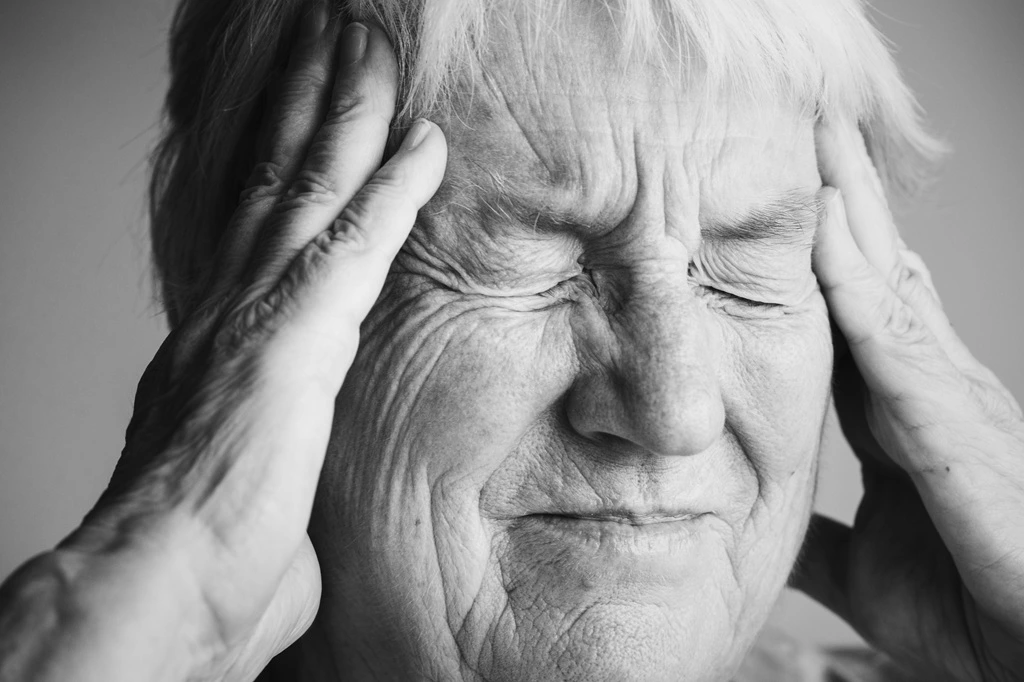
People living with CRPS can experience intense burning pain, extreme sensitivity to touch, swelling, changes in skin temperature and color, stiffness, and difficulty moving the affected limb. Even something as simple as clothing brushing against the skin or a gentle touch can become unbearable.
There is no single diagnostic test for CRPS, and diagnosis can be difficult. Its exact causes are not fully understood, and there is currently no universally established cure. Treatment approaches vary and may include medication, rehabilitation, physical therapy, psychological support, and specialized pain interventions.
For some, symptoms improve. For others, the condition becomes a lifelong battle.
The physical suffering can be accompanied by enormous emotional consequences, including isolation, anxiety, depression, and, in some cases, thoughts of suicide.
I was beginning to understand that this was not simply a condition affecting my mother. It was something capable of changing an entire life.
I remember one particular incident when my mother came to visit my home, which was more than an hour and a half away. She was ready to turn around and make the entire journey back because she had forgotten her pain medication.
I remember thinking, couldn’t you just wait until morning?
Today, I understand how little I knew.
I had never experienced that kind of pain. I had no frame of reference for what it meant to live with something that could dictate where you went, what you did, whether you slept, or whether you could even tolerate being in your own home.
That realization became the beginning of everything.
I Couldn’t Find Anyone Willing to Tell This Story, So I Decided to Do It Myself
I reached out to one of the largest CRPS nonprofit organizations, hoping to find support for an idea that was beginning to take shape.
I wanted to make a film.
I wanted people to understand what CRPS was, what it did to families, and what it meant to live with pain that others could not see.
Unfortunately, I didn’t get very far.
I eventually realized that if this story was going to be told, I might have to take it on myself.
That was a rather extraordinary decision considering where I was professionally at the time.
I had worked in entertainment for years. I had starred in films and television productions, received nominations for major awards, and worked alongside some remarkable names in the industry, including Oscar-nominated James Woods and Academy Award winner Cuba Gooding Jr. I had also worked with Oprah.
I knew the entertainment business. I understood production, storytelling, and the power of a compelling narrative.
But directing a documentary from the ground up was something entirely different.
I had never independently taken on a project of this magnitude.
Fortunately, I met several local people living with CRPS who understood what I was trying to accomplish. They introduced me to others in the community, opened doors, and even contributed a small amount of money to help me get started.
It wasn’t much, but it was something.
I hired a camera person, although that arrangement quickly became its own challenge. I realized I couldn’t depend on someone else to be available every time a story needed to be captured.
A good friend eventually purchased a camera for me. It was decent enough to get started, and I invested in a microphone and began learning the technical side of filming.
I started shooting myself.
I had to learn camera settings, audio, lighting, composition, and everything else that comes with documenting real people and real experiences.
I wasn’t waiting for the perfect equipment or the perfect circumstances.
I was driven by something much bigger.
I had become the director, the camera operator, the interviewer, the person making the calls, and often the person trying to figure out how we were going to pay for the next step.
I was determined to get this story told.
It Started With My Mother. Then I Met a Community That Changed Me Forever.
Initially, I imagined the film would revolve around my mother. I wanted to document her journey and help people understand what this condition had done to someone I loved so deeply.
But my mother never wanted to be part of the film.
I respected that, although I always hoped she might eventually change her mind.
In the meantime, I began meeting other people with CRPS.
Some of the individuals who ultimately appeared in the original Trial by Fire moved me to my core.
I heard stories that were almost impossible to process. People who had been active, independent, ambitious, and full of life were suddenly struggling with the most basic daily activities.
Some had lost careers. Some had lost relationships. Others had become isolated from friends and family because people simply didn’t understand what they were experiencing.
I met people who were fighting battles that were invisible to everyone around them.
And I began receiving messages from people at all hours of the day and night. Some simply wanted someone to listen. Others were desperate, telling me how exhausted they were and how difficult it had become to imagine continuing their lives in that much pain.
I knew I couldn’t turn away.
I also began seeing another side of the CRPS community. There were disagreements, misunderstandings, gossip, and internal conflicts. Some relationships I believed I could trust became difficult. There were nights when I wondered what I had gotten myself into.
I was trying to help, yet sometimes I found myself navigating situations that had very little to do with making a film.
There were even moments when people questioned my relationship to my mother and her late brother, the reggae legend Bob Marley.
Those moments were particularly painful.
I wasn’t doing this for attention, personal recognition, or some hidden agenda. I was trying to help my mother and, along the way, a community of people who desperately needed to be heard.
I had grown up in a deeply religious household, and I genuinely believed God had placed this responsibility in my life for a reason.
At some point, I understood that this was no longer just about my mother.
It was about everybody.
The First Trial by Fire: A Film Built on Determination, Not Money
Financing an independent documentary about a rare and poorly understood condition was never going to be easy.
There was no obvious commercial pathway. CRPS did not have a major blockbuster treatment campaign behind it, and there wasn’t a large pharmaceutical marketing budget waiting to support a project like ours.
I reached out to people, companies, organizations, and anyone I thought might understand the importance of telling this story.
Eventually, Boston Scientific came on board with a modest contribution.
It wasn’t a massive production budget, but it was enough to help us continue and contribute toward getting the film edited.
We kept going.
The original Trial by Fire was made with limited resources, a tremendous amount of determination, and a belief that the stories deserved to be seen.
We entered film festivals wherever our limited budget allowed, and something remarkable began happening.
The film started winning awards.
I couldn’t believe it.
Here I was, a filmmaker who had taught himself much of what he needed to know along the way, working with equipment that was nowhere near what I would have considered ideal, and the film was beginning to receive recognition around the world.
One of the most memorable moments came when Sheri New helped organize a screening at a movie theater in Texas.
Approximately 150 people or more came out.
Seeing the movie title displayed on the theater billboard, with my name prominently featured, was an extraordinary experience. But what mattered most was looking around that theater and seeing people from the CRPS community gathered together.
For once, they had something that belonged to them.
They had a film that could help explain their lives to people who had never understood their condition.
I repeatedly heard from families who said the film helped a loved one finally understand what they had been living with.
That meant everything to me.
Because I understood that experience personally. I had needed to hear someone else’s story before I could fully appreciate what my own mother was going through.
The film eventually reached audiences around the world, including through PBS, Amazon Prime, Tubi, and numerous other platforms.
More recently, our distribution partner placed the film on a YouTube movie platform, where it has accumulated approximately 279,000 views in just seven months, with viewership continuing to grow.
Even now, nearly a decade after I began this journey, I receive messages from people who are discovering the film for the first time.
Some have lived with CRPS for years.
Others are family members trying to understand what has happened to someone they love.
That is the power of storytelling. Sometimes, a film can accomplish something that a medical explanation alone cannot.
It can make someone feel seen.
My Mother Finally Became Part of the Story
While I was working on the original film, my mother was still struggling.
There was an opportunity for her to receive treatment in Atlanta, but something fell through at the last minute, leaving us back at square one.
I was already in communication with Dr. Hanna, a physician known in the CRPS community, and I mentioned that I would love to film my mother receiving ketamine treatment.
He agreed to treat her.
Now I had another challenge: convincing my mother.
Anyone who knows my mother understands that she is not easily persuaded. She is a tough cookie, to put it mildly.
Eventually, she agreed.
And just like that, the film I had originally envisioned making about her was finally beginning to include the very person who inspired it.
The treatment process was difficult.
I had to take her to the clinic each morning, help her get out of bed, assist her into the car, drive her to treatment, help her get back into the car afterward, and practically carry her upstairs when we returned home.
The ketamine treatments left her groggy, and eating was difficult for her at times.
Watching all of this was heartbreaking.
But I kept reminding myself of everything she had done for me.
She didn’t have to leave New York and move to Long Island to give me a better environment in which to grow up. She could have stayed where she was comfortable. She could have made different decisions.
Instead, she sacrificed.
I felt that I owed her the same commitment.
I met some wonderful people at Dr. Hanna’s clinic. He was a passionate physician who genuinely cared about his patients, spent time with them, and was well regarded by the people receiving treatment.
My mother completed the treatment, but unfortunately, it did not produce the results we had hoped for.
It was another difficult lesson in the reality of CRPS: treatments that may help one person do not necessarily help another.
There is no universal solution, and nobody should be made to feel that a treatment has failed because they didn’t try hard enough or weren’t positive enough.
Living with relentless pain can affect every aspect of a person’s life. It can challenge even the strongest spirit.
I was grateful that my mother had been given an opportunity, even though the outcome wasn’t what we wanted.
Ten Years Later, I Knew There Had to Be Another Film
After the first Trial by Fire, I thought about the people I had met, the stories I had heard, and the lives that had been changed.
I also thought about how much had happened since we first began.
I knew another film was necessary.
But I wasn’t particularly eager to repeat some of the experiences that had made the first production so difficult.
Still, I couldn’t shake the feeling that we had more work to do.
I started making calls.
Once again, funding was a major obstacle.
Then I came across a lawyer in Texas named Bryan Pope, who described himself as a CRPS lawyer.
I was fascinated by the idea that someone in the legal profession had made this condition part of his mission.
We began communicating, and after some discussion, he agreed to help with funding.
That contribution gave us the opportunity to move forward, expand our filming, and bring the second documentary closer to reality.
We traveled to Texas to meet Bryan and members of his team. Hearing why he had become so committed to CRPS advocacy was inspiring.
It was clear that his involvement was about more than his profession. He wanted to bring attention to a condition that affects people whose lives are often misunderstood, dismissed, or overlooked.
During that trip, I also met a remarkable young advocate, Miller Kerr, who has been tirelessly working through her nonprofit to support the CRPS community.
Sheri and Donna made the long drive to be filmed and support the project, just as they had supported me through so much of the original film.
Sheri, in particular, had been there through the ups and downs. There were many conversations when I needed someone to talk to, someone who understood the community and could remind me why we were doing this.
Those relationships have meant more than I can adequately express.
A Special Thank You to Bryan Pope and the CRPS Law Firm
There is someone I want to recognize personally as part of this journey: Bryan Pope and the entire CRPS Law Firm.
Bryan stepped forward when we needed someone to believe in what we were trying to accomplish. His willingness to provide support helped us move beyond simply getting the production back on its feet. His assistance, along with the support of the firm, also helped us establish our office and studio space, which became an important part of the second documentary.
That office gave us something we desperately needed: a place where people living with CRPS could come, sit down, share their experiences, and have their stories captured properly. It allowed us to create an environment where people felt comfortable opening up about some of the most difficult experiences of their lives.
Bryan, if I haven’t thanked you enough already, I hope you read this and understand just how genuinely grateful I am.
Your contribution has meant more than helping us make a film. It has helped create an opportunity for people living with CRPS to have their voices heard, and I believe the impact of that will extend far beyond this production.
Sometimes people contribute to a project and never fully see how far their involvement reaches. I hope you and your team understand that your support is helping us create something that could benefit thousands of people.
I won’t forget that.
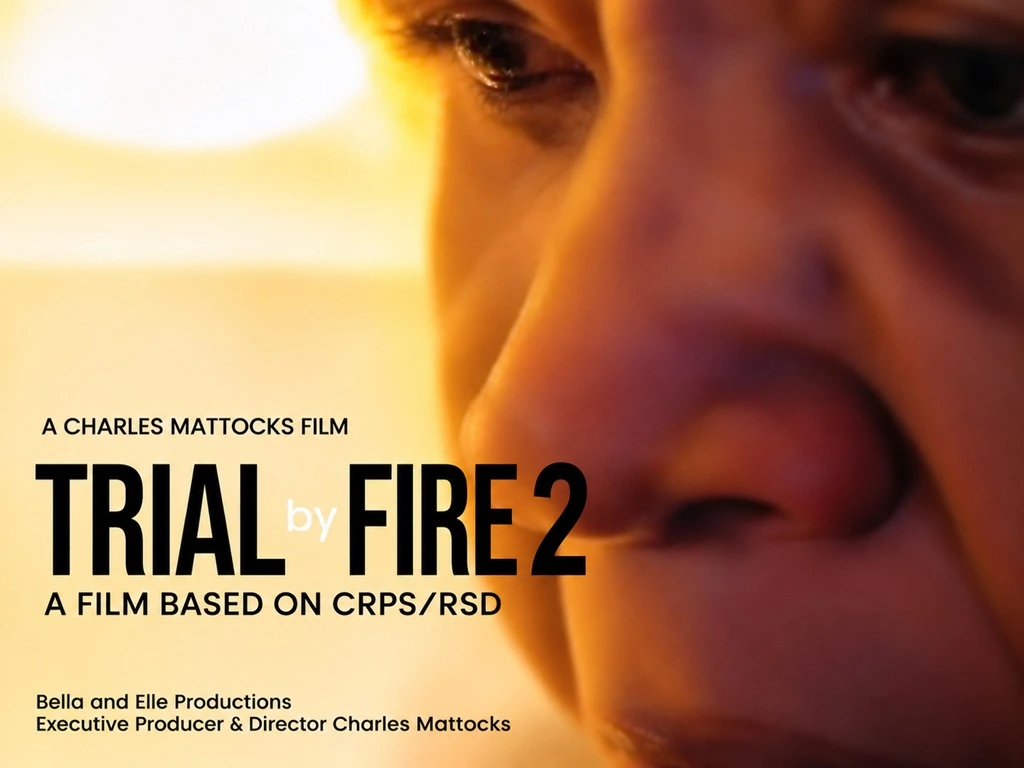
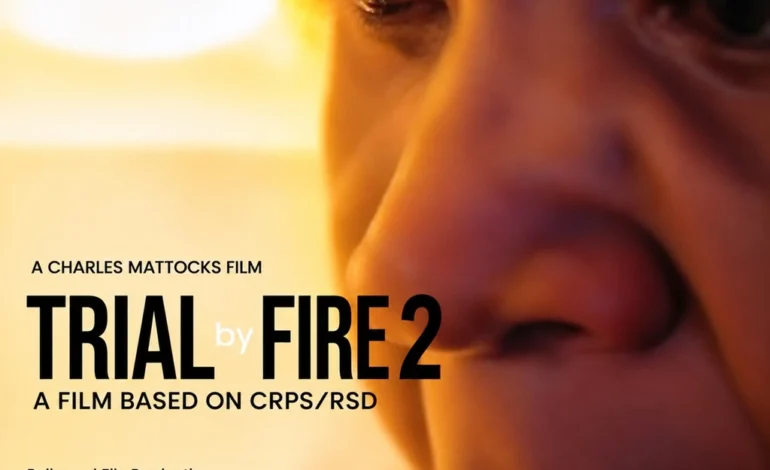
Trial by Fire 2: This Time, the Story Is About More Than the Pain
- Chase’s Story: From CRPS to Coaching a Comeback
- Freedom from the Fire: The Manifesto of the Unbroken Review
The new documentary, Trial by Fire 2, is now approaching the final stages of production, with some additional footage still being captured.
This time, I wanted to explore something deeper.
Of course, we needed to tell the stories of suffering. We needed audiences to understand what CRPS can do to a human being, how it can dismantle a person’s independence, and how families are forced to navigate a condition they may know very little about.
But I also wanted to explore something that is equally important: what happens when people begin finding ways to live again?
What does hope look like when the old life is gone?
What does it mean to create a new normal?
And how do some people move from being completely overwhelmed by their circumstances to finding a renewed sense of purpose?
One of the people I am particularly excited to feature is Dr. Hanna, a well-known cardiologist who is also living with CRPS.
His story is especially compelling because it gives audiences an opportunity to understand the condition through the eyes of a physician who knows medicine professionally but must also navigate the personal reality of living with this disease.
We are also working to feature Paige Collett, a young woman whose journey is extraordinary. There were periods when Paige was bedridden and her world was severely restricted by CRPS. Today, she has fought her way back into an entirely different chapter of her life, pursuing professional wrestling.
Think about that for a moment.
A person who once experienced periods when simply getting through the day was a tremendous challenge is now pursuing something that demands extraordinary physical and mental commitment.
Her story represents the kind of transformation I want people to see.
Then there is Chase.
His story is another example of what makes this second film different. After experiencing devastating effects from CRPS, he developed his own approach to managing his condition and rebuilding his life. Today, he is sharing that approach with others.
I witnessed the impact of his work when Donna, whom I had last seen in Texas in very poor condition, began experiencing better days through the method Chase had developed.
I am not suggesting that his approach is a cure or that it will work for everyone. CRPS is far too complex for those kinds of promises.
But I believe stories like his deserve to be heard. They remind people that there may be avenues worth exploring, that individual experiences can offer encouragement, and that hope can sometimes come from unexpected places.
I also want to recognize Beth from Fight the Flame, who stepped up to support the documentary and invited me to one of her wonderful events.
Meeting more people in the community through her efforts was another reminder of something I have witnessed repeatedly over the years.
For many people, a diagnosis that takes so much away also becomes the catalyst for an extraordinary commitment to helping others.
They become advocates.
They create organizations.
They reach out to strangers.
They spend countless hours trying to make someone else’s journey a little easier.
That is a powerful part of the CRPS story, and it deserves to be told.
A Different Kind of Production, and a Different Kind of Film
There has also been a significant evolution in how we are making this documentary.
The original film was a learning experience in every possible way. This time, we have brought in experienced camera professionals and a much stronger production team.
Over the past year, I also opened an office and studio space that allowed us to film individuals who were traveling to our area for ketamine treatment.
We simply could not afford to send camera crews across the country every time someone had a story to tell.
So we created an environment where people could come to us.
It turned out to be one of the best decisions we made.
Some of the conversations and moments captured in that space have been incredibly meaningful.
I have developed relationships with people who have trusted me with some of the most personal and difficult chapters of their lives.
That trust is something I never take lightly.
People have told me they appreciate knowing that I am not simply showing up to film their pain and then disappearing. They recognize the effort that has gone into trying to support this community.
Some have even said, “I know your mom must be proud.”
I will admit that there are times when I wish I had heard those words directly from my mother about this project.
But I also understand the generation she comes from. Caribbean parents of her era were not always expressive in the ways we might expect today. They showed love and pride differently.
I don’t need to diminish anything about her to acknowledge that.
I know why I started this journey.
And I know what it has meant to so many people.
The Part of the Story That Hasn’t Always Been Told: What It Took to Keep Going
There is something else I want people to understand about Trial by Fire 2.
Independent filmmaking is not simply about having a great idea and turning on a camera.
It requires money, resources, relationships, time, and an enormous amount of personal sacrifice.
For years, I have worked on these projects while also trying to support myself and my family.
I have made calls, written proposals, approached potential sponsors, negotiated partnerships, traveled, filmed, edited, and spent countless nights trying to figure out how to get the next piece of the production completed.
I have had to keep going when the funding wasn’t there, when people said no, when relationships became difficult, and when the weight of everything seemed almost too much.
I’m not sharing this part of my journey because I am looking for recognition or praise. I am sharing it because I believe people need to understand what goes on behind the scenes of a project like this.
I want people to understand that the film they are about to see did not simply appear.
It was built over years.
It was built through conversations with people who were hurting, through friendships, disappointments, unexpected support, and a determination to keep moving forward.
And I have never allowed those experiences to change the reason I started.
I believe this work matters.
My Mother Today: The Reason This Story Will Always Be Personal
Perhaps the most emotional part of this entire journey is seeing where my mother is today.
CRPS changed her life in ways I could never have imagined when I first walked into that sunroom.
I watched a woman who had spent decades pushing through exhaustion, working, sacrificing, and taking care of others become someone who struggled with things most people take for granted.
It was heartbreaking.
And while she is still dealing with pain and her journey is far from over, something has changed.
Today, I see a smile on her face that I haven’t seen in many, many years.
She is not necessarily in the best place physically, and the new film will share more about where she is now. But there is a light in her that I had not seen for a long time.
I feel as though I am getting glimpses of my mother again.
I cannot explain what that means to me.
I don’t know what the future holds for her. I don’t know whether there will ever be a treatment that gives her the relief she deserves.
I don’t even know whether she is still looking for that possibility in the same way I am.
But I do know that this experience brought us closer in ways I never expected.
And I will always do what I can to honor what she gave me.
Why This Film Needs the Support of the CRPS Community
There is one thing I feel strongly about as we approach the release of Trial by Fire 2.
We have to work together.
I have seen what can happen when a film like this gets into the hands of the right people. I have seen families begin to understand. I have seen people discover that they are not alone. I have received messages from individuals who found the original documentary years after its release and finally felt that someone understood their experience.
But I also know there are still enormous gaps in awareness.
There are people living with CRPS who have never heard of the original film. There are families who have no idea where to turn. There are healthcare professionals who could benefit from hearing more firsthand accounts of what this condition does to people’s lives.
And there are still people who don’t understand the seriousness of CRPS at all.
I have sometimes been disappointed when groups or individuals within the community have been unwilling to share the film or support the effort.
I don’t want to spend time discussing the reasons.
I simply want to say that this is bigger than any individual, organization, disagreement, or ego.
We have a limited window of opportunity to bring this new documentary to the world, and I am not certain when another major production of this kind will come along.
We have to make this one count.
That means putting differences aside and recognizing that we have a common goal.
It doesn’t matter who gets the credit.
It matters that someone living with CRPS might discover a resource that helps them. It matters that a family member might finally understand. It matters that a company, research organization, healthcare professional, or potential supporter might watch this film and decide to get involved.
That is the opportunity in front of us.
We Need to Give This Film the Platform It Deserves
We are now preparing to close out the remaining filming and move into the final edit.
We have already begun editing some of the footage, and I anticipate approximately one month for the final editing process, subject to the remaining production requirements.
From there, we will begin our film festival submissions and distribution efforts.
But I want to be very clear: we still need additional financial support to give this project the attention it deserves.
Documentaries of this nature, particularly those intended for international distribution and major film festivals, can cost many times what we have been able to spend.
We have accomplished a great deal with limited resources, but there is still much to do.
We want to position Trial by Fire 2 for major film festivals. We want to pursue distribution on leading streaming platforms. We want television appearances, interviews, media coverage, and screenings that can bring the story to audiences who may never have heard of CRPS.
We want to reach companies, brands, research organizations, medical professionals, and people who have the resources to help advance awareness and support meaningful progress.
This isn’t about chasing fame or recognition.
It is about using the reach of film and media to create opportunities for a community that has spent far too long being overlooked.
I have lost people I cared about to the emotional devastation associated with this condition. I have spoken with individuals who were so overwhelmed by their pain that they struggled to see a future.
Those experiences stay with you.
They remind you that awareness is not a luxury. It can be an essential part of helping people find understanding, support, and appropriate care.
I want this film to have the resources to travel as far as possible.
And I cannot do that alone.
How You Can Help Bring Trial by Fire 2 to the World
If you are reading this and CRPS has touched your life, whether personally or through someone you love, I am asking you to become part of this effort.
You do not have to make a large financial contribution to make a difference.
There are several things you can do right now:
- Share this story. Put it on your Facebook timeline, share it with your friends, and help us reach people who may never have heard of CRPS.
- Tell your family and friends. Sometimes the people closest to us are the ones who understand the least about what we are going through.
- Share it with your physician and specialists. Help introduce more healthcare professionals to the personal realities of living with CRPS.
- Support the production. If you are able to contribute, even a small donation through our GoFundMe campaign will help us complete the project and pursue the exposure it deserves.
- Get involved when the film is released. Share the trailer, post about the documentary, encourage screenings, and help us get the film in front of people who can make a difference.
Go Fund me link: https://gofund.me/5e508e6dd
I have done much of the heavy lifting to get us to this point. But the final stretch is important, and I am asking the community, its supporters, and anyone who believes in this mission to stand behind us.
I will continue making calls, reaching out to potential partners, approaching companies, and doing everything within my ability to make sure this documentary gets seen.
I want the world to know about CRPS.
I want more people to understand it.
And I want the people living with it to know that their stories matter.
The Fire Is Still Burning, But There Is Hope
When I look back at that first day in my mother’s sunroom, I could never have imagined where this journey would take me.
I certainly didn’t envision making two documentaries, meeting hundreds of people affected by CRPS, traveling, winning awards, building relationships across the world, and becoming so deeply connected to a community that I would still be fighting for it nearly a decade later.
I started because I loved my mother and couldn’t stand watching her suffer without understanding what was happening.
I continued because I met people whose stories needed to be told.
And I am making this second film because I believe there is still so much work to do.
I have seen the devastation of CRPS. I have seen families struggle to understand it. I have seen people lose their independence, their careers, their relationships, and, in some cases, their will to keep going.
But I have also seen something else.
I have seen people rebuild.
I have seen people find new purpose.
I have seen individuals who were once in terrible condition become advocates, mentors, and sources of encouragement for others.
I have seen people discover approaches that have improved their quality of life, even when those approaches may not work for everyone.
There is no single answer to CRPS, and I would never pretend otherwise. But I believe people deserve access to information, compassionate care, support, and the opportunity to explore treatments that may help them.
What works for one person may not work for another. What failed someone else may still be worth discussing with your own medical team. And even small improvements in quality of life can mean everything to someone living with relentless pain.
I hope Trial by Fire 2 will be a game changer for the CRPS community.
Not because I believe a film can cure a disease, but because a film can open doors.
It can start conversations.
It can bring people together.
It can make decision-makers pay attention.
And it can remind someone who feels completely alone that there are others who understand.
For my mother, I will always be her son before I am anything else.
For the people I have met along this journey, I hope they know that I have never forgotten their stories.
And for everyone living with CRPS, I want you to know something:
Your story is important. Your pain is real. Your life is worth fighting for. And you deserve to be heard.
I walked into my mother’s sunroom because I wanted to understand her pain.
Nearly ten years later, I am still walking forward because I now understand that there are thousands of people who deserve to have their pain understood.
This is why I made the first Trial by Fire. This is why I am making the second. And this is why I am not finished.
— Charles Mattocks
Filmmaker | Health Advocate | Founder, Bella and Elle Media
Creator and Director of Trial by Fire and Trial by Fire 2
Go Fund me link: https://gofund.me/5e508e6dd
If you need help with your case: https://www.crpslawfirm.com/
Watch the full film: https://www.youtube.com/watch?v=f4rCsxoRtZo