


Prostate Cancer, Big Money and the Men Left Behind: Why I’m Fighting to Give Patients a Voice
After a decade producing health documentaries, the death of my father, and my own frightening prostate screening experience, I’m ready to take on a new fight. By Charles Mattocks |

After a decade producing health documentaries, the death of my father, and my own frightening prostate screening experience, I’m ready to take on a new fight.
By Charles Mattocks | Ravoke.com
I have spent approximately ten years producing television programs focused on health conditions that affect millions of people. Ten years of listening to patients, sitting with families, working with medical experts, asking difficult questions, and trying to create the kind of programming that can genuinely change lives.
It has been one of the most rewarding journeys of my life. It has also been one of the most frustrating.
Because after everything I have witnessed, everything I have learned, and everything I have tried to accomplish, I still find myself asking the same question:
Why is it so difficult to get the people and companies with the resources to help behind the very projects that could make a meaningful difference in patients’ lives?
I have seen what happens when people finally hear someone tell their story. I have seen the relief that comes when a family begins to understand a condition that once left them confused. I have seen how education can inspire people to ask better questions, seek answers, and realize they are not alone.
And yet, getting these stories told remains an uphill battle.
Now, after a personal experience that forced me to look at prostate health in a completely different way, I am preparing to take on another project—one that I believe could make a tremendous difference for men and their families.
But before I tell you what we are building, I want you to understand why.
Ten Years of Health Advocacy—and a Lesson I Never Expected to Learn
My journey into health programming began with a deeply personal experience: my diagnosis with type 2 diabetes.
When I received that diagnosis, I knew I had to do something. I did not want to simply accept the news, take medication and move on without understanding what was happening to my body. I wanted to learn. I wanted to speak with experts. I wanted to understand the condition and help other people who might be facing the same reality.
I threw myself into my work.
I remember practically locking myself away for a month, reaching out to companies across the diabetes industry. I contacted testing companies, pharmaceutical businesses, and organizations that I believed would immediately understand the value of producing a television series about a condition affecting so many lives.
In my mind, the opportunity was obvious.
Here was a chance to educate people, bring real patients into the conversation, highlight expert knowledge, and create programming that could continue reaching audiences long after its original release.
I thought the companies would recognize the value.
They did not respond the way I expected.
I could not understand it. These were businesses operating in the diabetes space. Why would they not want to support a project focused on the people living with diabetes?
At the time, I believed the answer was simple: if you work in an industry dedicated to a particular health condition, surely you want to help the people affected by it.
Over the years, however, I have come to understand that the business of healthcare marketing can be much more complicated than that.
Companies have commercial priorities. Marketing departments have budgets. Agencies have clients to satisfy. Decisions are made according to business objectives, market strategy, and return on investment.
I understand that businesses must make decisions. I understand that not every project can receive funding.
But after a decade of doing this work, I still struggle with a question that I believe deserves to be asked publicly:
Where do the people living with these conditions fit into the equation?
The people behind the diagnosis deserve more than a passing mention
Patients are not market segments. They are not simply statistics on a presentation slide. They are not just the audience for an advertisement.
They are parents, spouses, children, grandparents, workers, artists, and people trying to live their lives while navigating conditions that can be frightening, expensive, and overwhelming.
They deserve to be heard.
That conviction is what has kept me producing health programming, even during the moments when it would have been easier to walk away.
Why Real Patient Stories Matter More Than Another Celebrity Commercial
Let me be clear: I do not believe celebrities should never speak about health conditions. When someone uses their platform to raise awareness, share a personal experience, or encourage people to seek care, that can be valuable.
But I believe we have lost something important when the majority of the attention and resources seem to gravitate toward marketing campaigns rather than sustained, patient-centered education.
I recently watched a commercial featuring a former member of Destiny’s Child discussing a skin condition. Before seeing the advertisement, I did not know she had that condition.
It made me think about the enormous machinery behind a national advertising campaign: the celebrity agreement, the creative agency, the media buying, the production costs, and the distribution.
I found myself wondering how much of that investment could also support the people who live with the condition every single day.
How many patient stories could be documented? How many families could receive meaningful education? How many people could hear from qualified experts in a format that gives them time to explain the disease, its treatment options, its challenges, and the questions patients should be asking?
I do not know the financial details of that particular campaign, and I will not pretend that I do. My point is broader than one commercial.
I want to see more investment in the people living with these conditions—not just the marketing campaigns designed to reach them.
We need to stop treating awareness as a thirty-second transaction
A commercial can introduce a condition to an audience. That is useful.
But a thirty-second advertisement cannot explain every diagnostic option, explore the emotional impact of a disease, show a family how to navigate treatment decisions, or give a patient the time to describe what the journey actually feels like.
That is where long-form storytelling can make a difference.
A well-produced documentary series can follow real people through the questions, setbacks, breakthroughs, and decisions that define their experiences. It can bring in specialists to explain complex information. It can show families learning together. It can create space for conversations that rarely fit into a short advertisement.
And, critically, it can remain available for audiences to discover after the initial broadcast.
My philosophy has always been that if we are going to fish in an artificial environment, we might as well fish in a lake. In other words, let’s reach the audience where people are genuinely seeking information, and let’s give them something substantial enough to make the journey worthwhile.
I want patients to see themselves in the stories we tell.
I want a man watching at home to hear another man describe an experience and think, That sounds familiar. I need to ask my doctor about this.
I want a wife, daughter, or partner to recognize that someone they love may need support.
And I want people to finish an episode with more knowledge than they had when they started.
That is the kind of impact I am working toward.
My Father’s Death in 2014 Changed the Way I Look at Cancer
My commitment to health advocacy is not just professional. It is deeply personal.
My father passed away from cancer in 2014. Losing him affected me in ways that are difficult to fully express.
When cancer enters a family, it changes the conversation. It changes the way you think about time, health, treatment, and the information available to the people you love.
You begin to understand that a diagnosis is never confined to a medical office. It travels home with the patient. It enters family conversations. It affects relationships, routines, and decisions about the future.
That experience helped lead me to create a cancer series filmed in Mexico.
We brought together five people facing cancer and their loved ones. We also brought in experts who could provide information, guidance, and a deeper understanding of the road ahead.
The goal was not simply to make television about cancer.
We wanted to tell the human story.
We wanted viewers to experience the fear and uncertainty, but also the laughter, the connection, the education, and the hope. We wanted families to understand that the person living with cancer is not just a patient. They are a whole human being whose life continues beyond the diagnosis.
The experience reinforced something I have carried into every project since:
When you bring patients, loved ones, and qualified experts together in an environment that encourages honest conversation, something powerful can happen.
You can educate without losing the human element. You can inform without making people feel overwhelmed. You can give audiences the opportunity to learn from someone else’s experience before they find themselves facing the same questions.
That is why I have continued creating health programming.
It is also why prostate cancer has become so personal to me.
My Own Prostate Screening Scare Forced Me to Ask Difficult Questions

Not long ago, I went to the doctor and had a PSA blood test.
PSA stands for prostate-specific antigen, a protein produced by cells in the prostate. Measuring PSA in the blood can help doctors assess the possibility of prostate disease, including prostate cancer.
My PSA result had been 0.8 approximately two years earlier. This time, I was told it was 3.4.
That change caught my attention immediately.
I knew that a PSA result was not a cancer diagnosis. I also knew I needed to understand what the number meant in the context of my age, medical history, and previous results.
But the next part of the experience happened so quickly that I felt as though I had been thrown into a situation I was not prepared to navigate.
A biopsy was proposed, with a potential appointment just two days away.
I was taken aback.
I wanted to understand the reasoning. I wanted to know whether another PSA test might be appropriate, whether additional assessments could help clarify the situation, and what the different diagnostic options involved.
I contacted my primary care physician and obtained another test order, but I had to wait. In the meantime, I began looking more closely at my options.
Eventually, I found another urologist who took the time to conduct a more extensive evaluation. The process included further blood testing, MRI imaging, CT scans with contrast, and other assessments.
My subsequent PSA result came back at 1.0.
That was reassuring, but it did not mean that I could declare the matter closed. A PSA result must be interpreted in context, and a lower result does not, by itself, rule out prostate cancer.
I was still left with questions.
I also noticed a discrepancy in the documentation: one report referenced a PSA value of 4.3, whereas the results I recalled discussing included 3.4 and later 1.0.
I cannot say why that discrepancy occurred. I can say that it left me wanting a clear explanation and a medical record that accurately reflected my results.
And that experience taught me something important.
Patients need time to understand what is happening to their own bodies
When a doctor recommends a procedure, patients should be able to ask questions about why it is being recommended, what the alternatives are, what the potential risks may be, and how urgently it needs to happen.
That is not an attack on doctors. It is not an argument against medical expertise.
It is an argument for informed consent and meaningful communication.
A physician may have sound clinical reasons for recommending a biopsy promptly. In other situations, repeating a PSA test or obtaining additional information may help clarify the next step. The right decision depends on the individual patient’s circumstances.
What matters is that the patient understands the reasoning and has an opportunity to participate in the decision.
I was fortunate to find a urologist with whom I felt comfortable pursuing further evaluation. But I could not stop thinking about men who might not know what questions to ask, who might not have the resources to seek another opinion, or who might feel that questioning a recommendation means challenging the authority of the doctor.
People should not have to feel that way.
Being an informed patient is not being a difficult patient. It is being an engaged participant in your own healthcare.
The Biopsy Conversation Men Need to Have
One aspect of my experience that particularly concerned me was how little I initially understood about the biopsy options.
There are two commonly used approaches to prostate biopsy: transrectal and transperineal.
With a transrectal biopsy, the needle passes through the wall of the rectum to collect tissue samples from the prostate.
With a transperineal biopsy, the needle passes through the skin between the scrotum and anus.
Both approaches have potential risks and benefits. Transrectal biopsy carries a risk of infection because the needle passes through the rectum, where bacteria are present. Transperineal biopsy generally has a lower risk of infection and may be preferred in many circumstances, although it is not risk-free and availability can vary.
The appropriate method depends on the patient’s situation, the clinician’s expertise, and the facilities available.
What troubled me was the realization that I could have arrived for a procedure without fully understanding which approach was planned or knowing that I could ask about the alternatives.
That is an experience I want other men to learn from.
Questions to ask before a prostate biopsy
Before agreeing to a biopsy, patients can ask their healthcare provider:
- Why is a biopsy recommended in my specific case?
- Would repeating the PSA test or conducting additional assessments help clarify my risk?
- Would a prostate MRI or another test be appropriate before deciding?
- Which biopsy method do you recommend, and why?
- What are the risks of infection, bleeding, pain, and other complications?
- What are the potential consequences of delaying the procedure, if any?
- How will the results affect my treatment options?
These questions do not mean a biopsy should be avoided. A biopsy may be necessary to diagnose prostate cancer, and delaying an indicated procedure can carry risks.
The goal is to ensure that men understand the decisions being made and can discuss the options with their clinicians.
Prostate Cancer in America: The Numbers Are Too Big to Ignore
My personal experience made me look more closely at the broader picture. What I found reinforced my belief that prostate cancer deserves more sustained public attention.
According to the American Cancer Society’s 2026 estimates, approximately 333,830 men in the United States will be diagnosed with prostate cancer this year, and approximately 36,320 will die from the disease.
Those numbers represent hundreds of thousands of families facing a diagnosis and tens of thousands confronting a devastating loss.
Prostate cancer is the most commonly diagnosed cancer among American men after skin cancer. Approximately one in eight men will be diagnosed with the disease during their lifetime.
These are not abstract statistics. They represent fathers, husbands, brothers, sons, friends, and colleagues.
Prostate cancer is not only an older man’s concern
Risk increases with age, and approximately six in ten prostate cancers are diagnosed in men aged 65 or older. But younger men can also develop the disease, particularly those with certain risk factors.
Family history matters. A man whose father or brother developed prostate cancer, especially at a younger age, may face increased risk.
Inherited genetic changes can also influence risk and may affect treatment decisions for some patients.
That is why awareness should not begin only when a man develops symptoms.
Prostate cancer can exist without noticeable symptoms in its early stages. Men need access to reliable information about their individual risk and the available options for early detection.
The racial disparity is impossible to ignore
Black men face a particularly serious burden from prostate cancer.
American Cancer Society data indicate that prostate cancer incidence is nearly 70% higher among Black men than White men. Black men also experience substantially higher mortality from the disease.
These disparities make prostate cancer an important health equity issue.
The reasons are complex and involve multiple factors, including differences in disease risk, access to healthcare, timely diagnosis, treatment, and broader structural influences. They should not be reduced to a single explanation.
But the implications are clear: awareness, appropriate screening discussions, access to specialists, and timely follow-up are especially important.
The American Cancer Society recommends that discussions about prostate cancer screening begin at age 45 for men at high risk, including Black men and men with a father or brother diagnosed before age 65. For men at even higher risk because multiple first-degree relatives were diagnosed at younger ages, discussions may begin at age 40.
These are guidelines for discussing screening, not instructions that every man must undergo the same tests at the same age. Screening decisions should account for a person’s risk, health, preferences, and the potential benefits and harms of testing.
The PSA test is important—but it is not the whole story
A PSA blood test can provide useful information, but it cannot diagnose prostate cancer on its own.
PSA levels may rise for reasons other than cancer, and some men with prostate cancer have PSA levels that are not elevated.
An abnormal result may lead to repeat testing, additional blood tests, MRI imaging, or a biopsy, depending on the circumstances.
This is why patients need clear explanations rather than being left to interpret a number in isolation.
Men need to understand what their results mean, what remains uncertain, and what the next step is intended to establish.
The goal is not simply to test more men. The goal is to help men make informed decisions and identify clinically significant disease while avoiding unnecessary harm whenever possible.
What I Found in Online Prostate Cancer Communities Changed My Perspective
After my own experience, I began spending more time reading the stories men were sharing in prostate cancer Facebook groups and other online communities.
I encountered account after account of men trying to understand their PSA results, preparing for biopsies, navigating diagnoses, weighing treatment options, and coping with the physical and emotional consequences of prostate cancer.
Some were newly diagnosed and frightened.
Some were trying to decide between surgery, radiation, active surveillance, or other approaches recommended by their medical teams.
Some were concerned about urinary problems, sexual function, relationships, and the effects treatment might have on their quality of life.
Others were already years into their journey, offering advice and reassurance to men who had just received the news.
What struck me most was how much these men wanted to understand.
They wanted to know what questions to ask. They wanted to know how other people had navigated the same decisions. They wanted to understand the language doctors were using and what their test results might mean.
They wanted to hear from people who had actually lived through the experience.
But online communities can also contain misinformation, incomplete accounts, and advice that may not apply to another person’s circumstances. A story that helps one patient may not provide the right answer for someone else.
That is precisely why I believe there is an opportunity to bring patient experiences together with qualified medical experts in a carefully produced educational series.
Imagine giving five men the opportunity to share their journeys while specialists explain the medical information behind the decisions they face.
Imagine showing viewers how patients prepare for appointments, understand test results, discuss treatment options, and navigate the emotional impact on their families.
Imagine a man watching who has never felt comfortable discussing prostate health finally realizing that he is not alone.
That is what I want to create.
Healthcare Is Not Without Solutions. But I Believe Our Priorities Need to Change.
After ten years in health programming, I have developed a strong opinion about the way health advocacy is often approached.
I do not believe the entire healthcare system is broken. There are dedicated physicians, researchers, nurses, caregivers, and other professionals working tirelessly to help people. Medical research has produced extraordinary advances, and many people devote their careers to improving patients’ lives.
But I believe parts of the system are shaped too heavily by financial incentives, commercial priorities, and a narrow definition of success.
In my experience as a producer, I have repeatedly encountered the difficulty of securing support for patient-centered projects that I believe could make a meaningful difference.
At the same time, healthcare marketing is a sophisticated business. Pharmaceutical companies and other organizations invest in advertising, professional education, research, and outreach to different audiences. Their decisions reflect commercial objectives as well as other considerations.
I recognize that not every marketing dollar can fund a documentary, and I do not believe every company that declines a project is indifferent to patients.
But I do believe we should ask whether enough resources are being directed toward sustained, accessible education for the people living with the conditions these industries serve.
When return on investment becomes the only conversation
During the past year, I have increasingly felt that the opportunities for patient-centered advocacy programming have become more difficult to secure.
My perception is that some marketing strategies place greater emphasis on reaching healthcare professionals who influence prescribing decisions, while projects designed to educate patients and families can struggle to attract comparable support.
There are legitimate reasons for pharmaceutical companies to communicate with physicians. Doctors need accurate information about medicines, clinical evidence, safety, and appropriate prescribing.
The problem, as I see it, is not that physicians receive information. It is that patients also need meaningful, accessible education—and that work requires investment.
A person living with prostate cancer needs more than a prescription. They need to understand the diagnosis, the potential benefits and risks of treatment, the alternatives available, and the possible impact on their everyday life.
Their family may need help understanding how to provide support. Their children may have questions about inherited risk. Their partner may be trying to understand what a diagnosis means for their future together.
Those conversations are part of healthcare, too.
If we are serious about patient-centered care, then patient education cannot be treated as an afterthought.
I Saw the Same Problem When We Created Our Menopause Series
My frustration is not limited to diabetes or prostate cancer.
When I developed a series focused on menopause, I believed the opportunity to collaborate with organizations serving women would be obvious.
Menopause affects millions of women and can influence sleep, physical comfort, emotional well-being, relationships, work, and quality of life. Yet many women still struggle to find reliable information or feel comfortable discussing their symptoms.
I reached out to women’s groups, companies, and women in leadership positions, believing that a project built around education, expert insight, and real experiences would generate strong interest.
Many conversations did not lead to support.
I was disappointed, not because I believed every organization owed me a commitment, but because I could see the potential for meaningful collaboration.
The same question kept returning: if we have an opportunity to help people understand a condition that affects so many lives, why is it so difficult to bring the necessary resources together?
I have come to believe that we need to reconsider how we define health advocacy.
A campaign may generate attention. A commercial may introduce a message. A social media post may reach thousands of people.
But advocacy should also mean helping people understand what they are experiencing, what questions they should ask, and how to navigate the choices in front of them.
It should mean creating space for patients to speak honestly about their lives.
That is the work I want to continue doing.
Our New Mission: Five Men, Their Families, and a Journey to Costa Rica
That brings me to the project I am most passionate about right now.
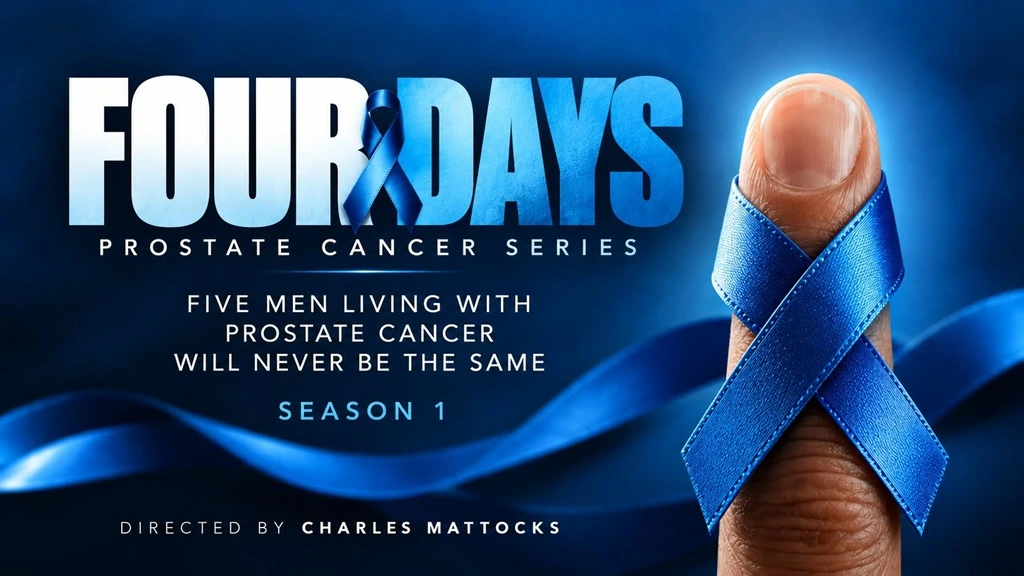
I want to create a powerful prostate cancer documentary series that follows five men living with prostate cancer and includes the loved ones who are navigating the journey alongside them.
We plan to bring the participants together in Costa Rica, where we can create an environment for honest conversation, education, reflection, and connection.
The series will bring together patients, their families, and qualified medical experts to explore the realities of living with prostate cancer.
We want to hear the stories that are rarely captured in a thirty-second advertisement.
We want to understand what happens when a man first receives an abnormal PSA result. We want to hear how he navigates the uncertainty between a test and a diagnosis. We want to explore what it means to receive a cancer diagnosis, consider treatment options, and make decisions that can affect the rest of his life.
We want to discuss the questions men may be embarrassed to ask and the concerns families may struggle to express.
And we want the experts to help explain the medical information in a way that viewers can understand.
Five men. Five journeys. One mission to educate and empower.
Every man’s experience with prostate cancer is different.
One participant may be trying to understand an early diagnosis. Another may be evaluating treatment options. Someone else may be managing life after treatment, while another may be navigating the challenges of advanced disease.
We will not assume that every participant is at the same stage or faces the same decisions. Their individual circumstances will shape their stories.
But together, their experiences can illuminate the questions that millions of men and families face.
The series will aim to explore:
- Screening and diagnosis: Understanding PSA results, follow-up testing, MRI imaging, biopsies, and the questions patients should ask.
- Treatment decisions: Exploring the options that may be appropriate for different patients, including active surveillance, surgery, radiation, and other treatments.
- Life after diagnosis: Discussing physical changes, emotional well-being, relationships, intimacy, and quality of life.
- Family and caregiving: Showing how partners and loved ones can offer support while managing their own concerns.
- Medical advances: Giving qualified experts the opportunity to explain current evidence, emerging approaches, and questions patients should discuss with their care teams.
- Hope and resilience: Sharing the moments of humor, connection, vulnerability, and determination that make each person’s journey unique.
We want people to see themselves in these stories
My vision is for someone watching this series to recognize a part of their own experience.
Perhaps a man has been putting off a conversation about prostate screening because he is afraid of what he might hear.
Perhaps someone has received a PSA result they do not understand.
Perhaps a husband has been trying to support his wife or partner while privately struggling with his own fears.
Perhaps an adult son has watched his father go through prostate cancer and is beginning to think about his own risk.
I want these viewers to find information, understanding, and the confidence to have informed conversations with their healthcare professionals.
I want them to hear experts explain complicated subjects in accessible language.
I want them to see that asking questions is appropriate, that treatment decisions can involve different considerations, and that seeking support is not a sign of weakness.
Most importantly, I want them to understand that they do not have to navigate the journey alone.
Why Costa Rica, and Why This Format?
The location is part of the production vision, but the heart of the project is the people.
Bringing participants together outside the routines of their everyday lives can create opportunities for deeper conversations and meaningful connections. The setting will support a documentary journey that balances personal storytelling with education from qualified experts.
We want to capture the full range of human experiences: the laughter, the difficult conversations, the tears, the breakthroughs, and the moments when someone realizes that another person understands exactly what they have been feeling.
The program will be designed to make medical information accessible without losing the emotional truth of each participant’s story.
We are not setting out to tell viewers that there is one correct treatment for every man. Prostate cancer varies considerably, and treatment decisions depend on factors such as the cancer’s characteristics, stage, overall health, and individual preferences.
Instead, we want to help viewers understand the questions, options, and conversations that can inform those decisions.
Our aim is to create something that is both educational and deeply human.
We Have Done This Work Before. Now We Need People Who Believe in It.
Over the years, I have continued to develop health-related programming because I believe these stories deserve to be told.
Our diabetes work grew from my own diagnosis. Our cancer series was shaped in part by losing my father. Our menopause programming was driven by the need for more open and informed conversations about women’s health.
Each project has reinforced the same belief: real people have experiences worth hearing, and those experiences can become powerful tools for education when presented responsibly.
I know what it takes to develop a series, bring participants together, work with experts, and build a compelling production around a health issue.
I also know that a project of this scale requires resources.
There are production costs, travel, accommodation, equipment, crew, post-production, expert coordination, participant support, and the work required to bring the finished series to an audience.
We cannot create the project we envision on passion alone.
And that is why I am making a public appeal.
We are turning to the public to help make this series possible
I have reached a point where I recognize that we may not be able to depend on the traditional corporate funding model to bring this particular project to life.
I would welcome responsible partnerships with organizations that genuinely believe in patient education and are willing to support the work without compromising its editorial integrity.
But I am no longer willing to let the absence of a corporate commitment determine whether these stories get told.
If men and their families need this information, then perhaps we need to build the support around the project ourselves.
That is why we are preparing a GoFundMe campaign to help finance the production.
I am asking men who have been affected by prostate cancer, families who have watched a loved one struggle, survivors who want to give something back, and supporters who believe in the power of education to consider helping us bring this series to life.
If you have the means to contribute, your support can help us move the project forward.
My Challenge to the Healthcare Industry
To the pharmaceutical companies, healthcare organizations, advertising agencies, medical professionals, and potential partners who may read this, I want to make something clear.
I am not arguing that every company must fund every documentary. I understand that organizations have priorities, budgets, and obligations.
But I am asking the industry to take a serious look at how it supports patient education.
What would happen if more resources were directed toward long-form programming that allows patients to hear from one another, learn from qualified experts, and better understand the decisions they face?
What would happen if a greater share of health awareness efforts focused on helping people navigate their conditions rather than simply introducing them to a brand or a message?
What would happen if companies, healthcare organizations, and independent producers found ways to work together while protecting patient privacy, editorial independence, and medical accuracy?
I believe there is an opportunity to do something meaningful.
The people living with these conditions should not be an afterthought in the conversation about healthcare.
They are the reason the conversation matters in the first place.
If the public makes this possible, that will be a story worth telling
If we raise the support needed to produce this series and deliver it to an audience, I hope it demonstrates what can happen when people come together around a shared purpose.
I hope it shows that patient-centered education can be created through collaboration, determination, and a willingness to invest in something larger than a single marketing campaign.
And if we succeed without the support of the organizations we initially hoped would participate, I hope that prompts a constructive conversation about the opportunities the industry may have overlooked.
This is not about embarrassing anyone.
It is about showing what can be accomplished when people decide that an issue matters enough to act.
I Am Not Giving Up on This Work
After ten years of producing health programming, I have learned that the road to getting these projects made is rarely straightforward.
There have been moments of excitement when I could see exactly what a series might accomplish. There have also been moments of disappointment when a project I believed in failed to attract the support I thought it deserved.
But the experiences that stay with me are the stories of people who need to be heard.
They are the men searching for answers after a prostate screening. They are the women trying to understand menopause. They are the families learning how to live with diabetes, cancer, and other serious conditions.
They are people who deserve accurate information, meaningful support, and the opportunity to make informed decisions about their health.
I cannot promise that a television series will solve every problem in healthcare. No single project can do that.
But I believe storytelling can open doors. It can start conversations, challenge assumptions, help people recognize themselves in someone else’s experience, and encourage them to seek the information they need.
That is why I am continuing this work.
My father’s death helped shape my commitment to cancer awareness. My own health experiences taught me how vulnerable it can feel to receive a diagnosis or an unexpected test result. A decade of producing health programming has shown me both the possibilities and the obstacles involved in bringing patient stories to a wider audience.
Now I want to bring those lessons into this new project.
Healthcare is about people. Health education should be about people. And the voices of those living with a condition deserve to be heard.
If we can bring five men and their families together, give them the opportunity to share their stories, surround them with qualified experts, and turn their experiences into something that helps others, then I believe this project is worth fighting for.
I hope you will join me.
Let’s make this series happen—not because a corporation tells us it is worthwhile, but because the people who need it believe it is.
Interested in being part of this exciting series as a guest, sponsor, or expert? We’d love to hear from you! Join us in making a meaningful impact and reaching audiences around the world.
📩 Contact us at charles@charlesmattocks.com to learn more about getting involved.