




Dry Brushing Your Teeth May Be Better Than You Think: The Truth About Brushing Without Toothpaste
Written by Ravoke News Desk For decades, brushing your teeth has been associated with squeezing toothpaste onto a toothbrush before every cleaning session. The foamy mint flavor has become such

Written by Ravoke News Desk
For decades, brushing your teeth has been associated with squeezing toothpaste onto a toothbrush before every cleaning session. The foamy mint flavor has become such a normal part of daily life that many people assume toothpaste is the most important part of oral hygiene.
However, growing evidence suggests something surprising: the toothbrush itself does the majority of the work. In many cases, brushing your teeth without toothpaste—commonly known as dry brushing—can be just as effective at removing plaque and may even encourage better brushing habits.
While toothpaste still offers important benefits, especially when it contains fluoride, experts continue to emphasize that proper brushing technique and consistency matter far more than the amount of toothpaste used.
What Is Dry Brushing Your Teeth?
Dry brushing simply means brushing your teeth with a clean toothbrush without adding toothpaste.
Although it may seem unusual, the process focuses on what truly removes plaque—the physical action of the toothbrush bristles moving across every surface of the teeth and along the gumline.
Plaque is a sticky layer of bacteria that constantly forms inside the mouth. If it is not removed regularly, it can harden into tartar, increasing the risk of cavities, gum disease, and bad breath.
The toothbrush disrupts and removes this bacterial film. Toothpaste can support the process, but it is not what physically removes plaque.
The Toothbrush Does Most of the Cleaning
Many people believe toothpaste is responsible for cleaning teeth. In reality, brushing is primarily a mechanical cleaning process.
Every stroke of the toothbrush loosens plaque and food particles from the enamel and around the gums. Without this physical action, toothpaste alone cannot clean teeth.
Research has found that brushing without toothpaste can remove plaque nearly as effectively as brushing with toothpaste, provided people use proper technique and brush long enough.
This means the quality of brushing matters far more than whether toothpaste is present.
Why Dry Brushing May Actually Improve Your Oral Hygiene
One of the biggest challenges in oral care is that many people simply do not brush long enough.
Dental professionals generally recommend brushing for two full minutes twice each day. Studies have repeatedly shown that the average person brushes for significantly less time.
Dry brushing may naturally encourage people to slow down and focus on cleaning each individual tooth because they are not distracted by foam or strong flavors.
Without toothpaste creating bubbles, it becomes easier to see exactly where the toothbrush has already been cleaned and which areas still need attention.
Benefits of dry brushing may include:
- Better focus on brushing technique
- Longer brushing sessions
- More complete plaque removal
- Improved cleaning around the gumline
- Greater awareness of neglected areas inside the mouth
Toothpaste Still Has Important Benefits
Although toothpaste is not absolutely necessary for removing plaque, it still plays an important role in maintaining healthy teeth.
Modern toothpaste provides several additional benefits beyond cleaning.
These include:
- Delivering fluoride to strengthen enamel
- Helping prevent tooth decay
- Freshening breath
- Reducing tooth sensitivity
- Removing surface stains
- Supporting healthier gums with specialized ingredients
For most people, fluoride toothpaste remains one of the most effective tools for preventing cavities over the long term.
Understanding the Ingredients Inside Toothpaste
Most standard toothpastes contain a combination of ingredients designed to improve oral health.
Common ingredients include:
Fluoride
Fluoride strengthens tooth enamel and helps repair the earliest stages of decay by replacing lost minerals.
Mild Abrasives
Gentle polishing agents help remove stains and plaque from the tooth surface.
Detergents
Foaming ingredients help spread toothpaste throughout the mouth, although they are not responsible for cleaning teeth.
Flavoring Agents
Mint and other flavors improve taste and help leave the mouth feeling fresh after brushing.
Moisture-Retaining Ingredients
These ingredients keep toothpaste smooth and prevent it from drying inside the tube.
Some Toothpaste Ingredients Deserve Attention
Not every toothpaste is created equally.
Certain products contain ingredients that some consumers prefer to avoid, including:
- Sodium Lauryl Sulfate (SLS), which may irritate sensitive mouths
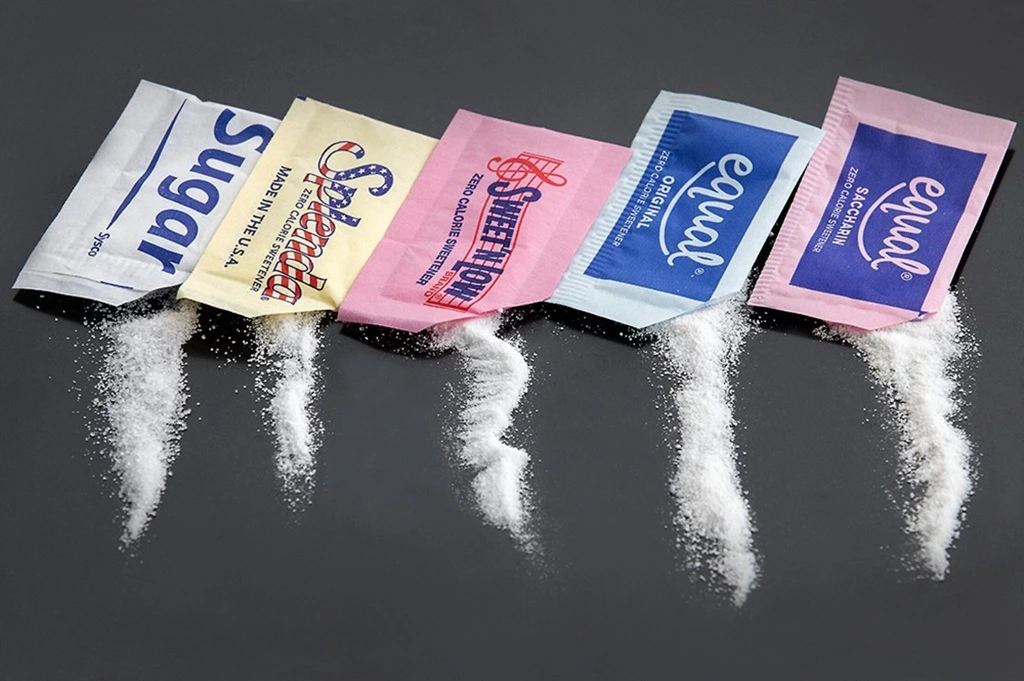
- Artificial sweeteners
- Artificial coloring
- Plastic microbeads, which have largely been removed from many products because of environmental concerns
Consumers should also pay attention to a toothpaste’s Relative Dentin Abrasivity (RDA) rating.
Lower-abrasive toothpaste is generally preferred because overly abrasive formulas may gradually wear away enamel over time.
Does Toothpaste Kill Bacteria?
Toothpaste helps reduce harmful bacteria, but it does not sterilize the mouth.
The human mouth naturally contains billions of bacteria. Many of these microorganisms are beneficial and help maintain a healthy oral environment.
The goal of brushing is not to eliminate every bacterium but to reduce harmful plaque-forming bacteria before they can cause cavities or gum disease.
Some toothpaste formulas include antibacterial ingredients such as stannous fluoride or zinc compounds that help control bacterial growth and reduce inflammation around the gums.
Fluoride Remains One of the Most Valuable Ingredients
Fluoride deserves special attention because of its proven ability to strengthen teeth.
Instead of killing bacteria directly, fluoride makes enamel more resistant to the acids bacteria produce after consuming sugars.
This process helps:
- Strengthen enamel
- Reverse early tooth damage
- Lower cavity risk
- Improve long-term tooth durability
For individuals at higher risk of cavities, fluoride toothpaste remains an important part of preventive dental care.
Dry Brushing Does Not Replace Good Oral Hygiene
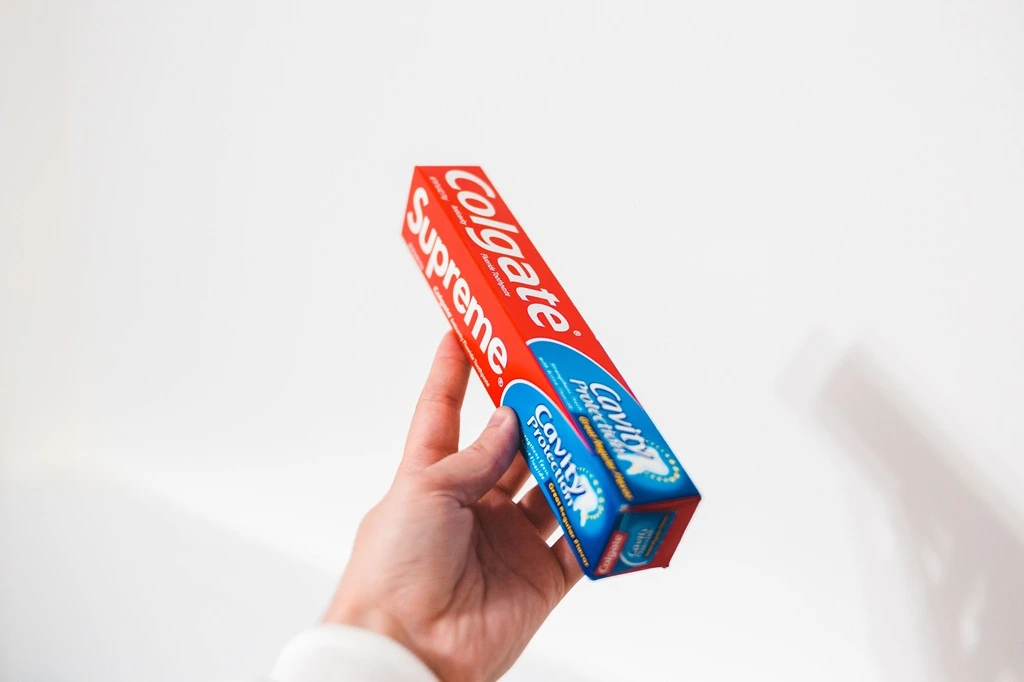
Dry brushing can be an effective way to remove plaque, but it should not replace a complete oral care routine.
Maintaining healthy teeth still requires:
- Brushing twice daily
- Cleaning between teeth with floss or interdental brushes
- Replacing toothbrushes every three to four months
- Limiting sugary foods and drinks
- Scheduling regular dental examinations and professional cleanings
Dry brushing can complement these habits rather than replace them.
Can Dry Brushing Help People Brush Better?
Many people become distracted by toothpaste foam, rinsing, or the sensation of strong flavors.
Dry brushing removes these distractions, allowing individuals to focus entirely on reaching every surface of every tooth.
Because there is no foam covering the teeth, it becomes easier to monitor brushing progress and ensure every section of the mouth receives equal attention.
For people working to improve their brushing technique, dry brushing may serve as a useful training method.
The takeway
The biggest surprise about oral hygiene is that toothpaste is not the primary tool responsible for clean teeth—the toothbrush is.
Dry brushing effectively removes plaque through mechanical cleaning and may encourage more careful, longer brushing sessions. However, toothpaste continues to offer valuable protection by strengthening enamel, reducing cavity risk, and supporting overall oral health.
The healthiest routine combines proper brushing technique with a quality fluoride toothpaste, daily flossing, and regular dental checkups. Whether you occasionally dry brush or always use toothpaste, consistency and technique remain the keys to maintaining a healthy smile.