




Chia Seed Benefits: A Small Seed With Big Nutritional Value
By Ravoke News Desk Chia seeds may be tiny, but they are among the most nutrient-dense foods available. Packed with fiber, protein, healthy fats, antioxidants, vitamins, and minerals, these versatile

By Ravoke News Desk
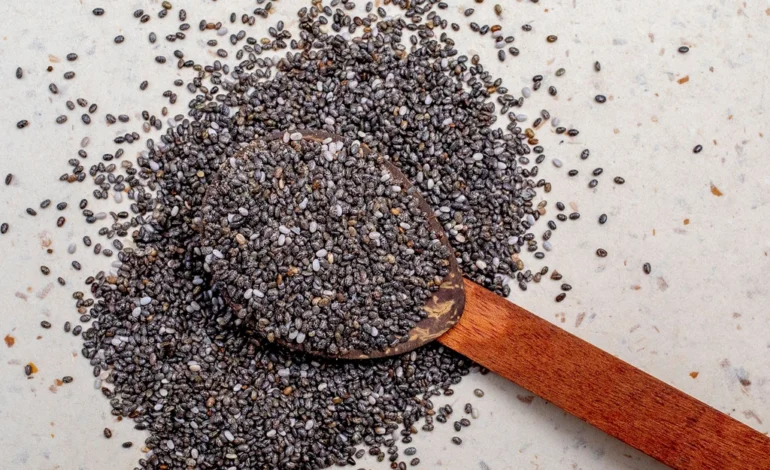
Chia seeds may be tiny, but they are among the most nutrient-dense foods available. Packed with fiber, protein, healthy fats, antioxidants, vitamins, and minerals, these versatile seeds have become a popular addition to modern diets focused on health and wellness.
Whether sprinkled over yogurt, blended into smoothies, or mixed into oatmeal, chia seeds provide a simple way to increase nutritional intake without significantly changing the flavor of your favorite foods.
What Are Chia Seeds?
Chia seeds come from the Salvia hispanica plant, a flowering species native to Central America. These small black or white seeds have been consumed for thousands of years and were traditionally valued as a source of energy and nourishment.
Today, chia seeds are recognized worldwide for their impressive nutritional profile and potential health benefits.
Nutritional Profile of Chia Seeds
Despite their small size, chia seeds contain a powerful combination of nutrients, including:
- Dietary fiber
- Plant-based protein
- Omega-3 fatty acids
- Calcium
- Magnesium
- Phosphorus
- Iron
- Zinc
- Antioxidants
This nutrient-rich composition supports multiple aspects of overall health, from digestion and heart function to bone strength and blood sugar management.
Omega-3 Fatty Acids Support Heart and Brain Health
One of the most notable benefits of chia seeds is their high concentration of alpha-linolenic acid (ALA), a plant-based omega-3 fatty acid.
Omega-3s play an important role in:
- Supporting cardiovascular health
- Maintaining healthy brain function
- Helping regulate inflammation
- Promoting overall wellness
Since the human body cannot produce ALA on its own, obtaining it through food sources such as chia seeds is important for maintaining optimal health.
High Fiber Content Promotes Digestive Health
Chia seeds are an excellent source of dietary fiber. Just a small serving can provide a significant portion of the recommended daily fiber intake.
Fiber helps:
- Support regular bowel movements
- Improve digestive function
- Promote gut health
- Increase feelings of fullness
- Support healthy cholesterol levels
When mixed with liquid, chia seeds absorb water and form a gel-like texture that can help slow digestion and contribute to longer-lasting satiety.
Antioxidants Help Protect Cells
Chia seeds contain a variety of naturally occurring antioxidants that help protect the body’s cells from oxidative stress.
Antioxidants are important because they help combat damage caused by free radicals, which may contribute to aging and the development of chronic diseases.
Regular consumption of antioxidant-rich foods may help support:
- Healthy aging
- Immune function
- Cardiovascular health
- Cellular protection
Plant-Based Protein for Sustained Energy
Protein is essential for muscle maintenance, tissue repair, and overall body function.
Chia seeds provide a valuable source of plant-based protein and contain all nine essential amino acids. Including protein-rich foods in your diet may help:
- Maintain muscle mass
- Support recovery after exercise
- Improve satiety
- Stabilize energy levels throughout the day
For vegetarians and individuals seeking more plant-based nutrition, chia seeds can be a convenient protein source.
Chia Seeds and Weight Management
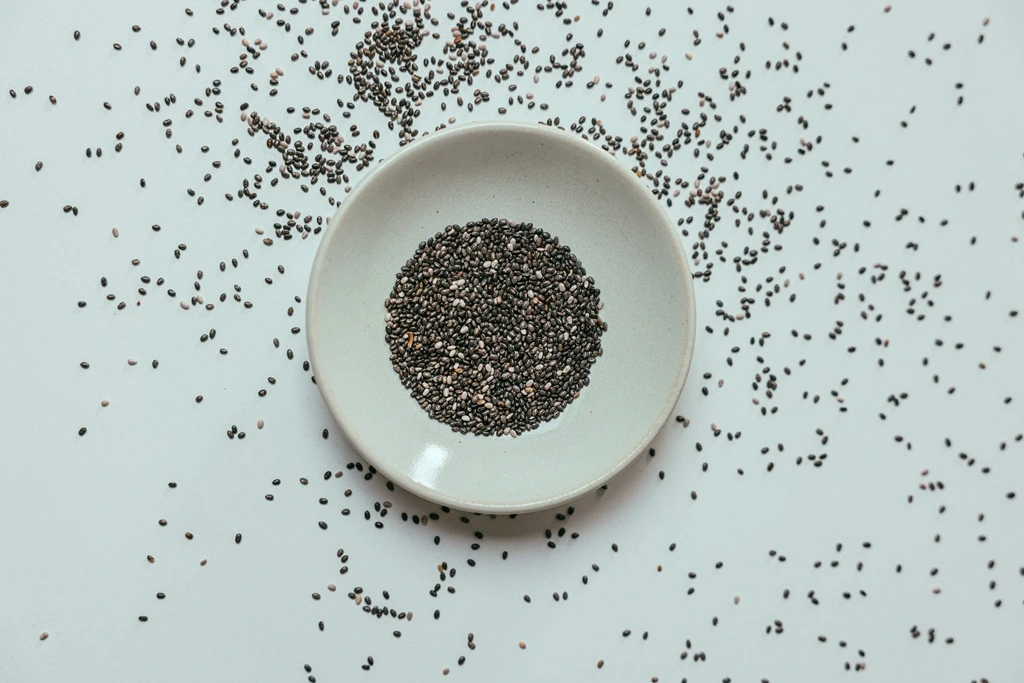
Many people include chia seeds in their diets as part of a healthy weight-management plan.
The combination of fiber, protein, and water absorption can help increase feelings of fullness, potentially reducing unnecessary snacking and overeating.
While no single food guarantees weight loss, chia seeds can be a helpful addition to a balanced diet and active lifestyle.
Potential Benefits for Blood Sugar Control
The fiber found in chia seeds may help slow the digestion of carbohydrates, leading to a more gradual release of glucose into the bloodstream.
This process may support:
- More stable blood sugar levels
- Improved insulin sensitivity
- Better energy balance throughout the day
Individuals managing blood sugar levels should still consult healthcare professionals regarding dietary changes.
Bone Health Support
Chia seeds contain several minerals associated with maintaining strong bones, including:
- Calcium
- Magnesium
- Phosphorus
These nutrients contribute to bone structure, strength, and overall skeletal health, making chia seeds a valuable addition to a nutrient-rich diet.
Easy Ways to Add Chia Seeds to Your Diet
One of the biggest advantages of chia seeds is their versatility. Their mild taste allows them to blend easily into many meals and snacks.
Popular ways to enjoy chia seeds include:
- Mixing them into smoothies
- Sprinkling them over yogurt
- Adding them to oatmeal
- Stirring them into soups
- Mixing them into pancake or muffin batter
- Using them in homemade puddings
- Topping salads and grain bowls
- Combining them with water as a natural thickener
Because chia seeds are high in fiber, it may be beneficial to increase intake gradually and drink plenty of water.
Our takeaway
Chia seeds offer an impressive range of nutritional benefits in a small package. Rich in fiber, protein, omega-3 fatty acids, antioxidants, and essential minerals, they can support digestive health, heart health, weight management, bone strength, and overall wellness.
Their versatility and nutrient density make them an easy addition to a healthy lifestyle, whether added to breakfast, snacks, or everyday meals.