




Sea Salt Benefits, Uses, and Risks: What You Should Know Before Adding More to Your Diet
By Ravoke News Desk Sea Salt: A Popular Kitchen Staple With More Than One Use Sea salt has become a favorite ingredient in kitchens around the world, valued for its

By Ravoke News Desk
Sea Salt: A Popular Kitchen Staple With More Than One Use
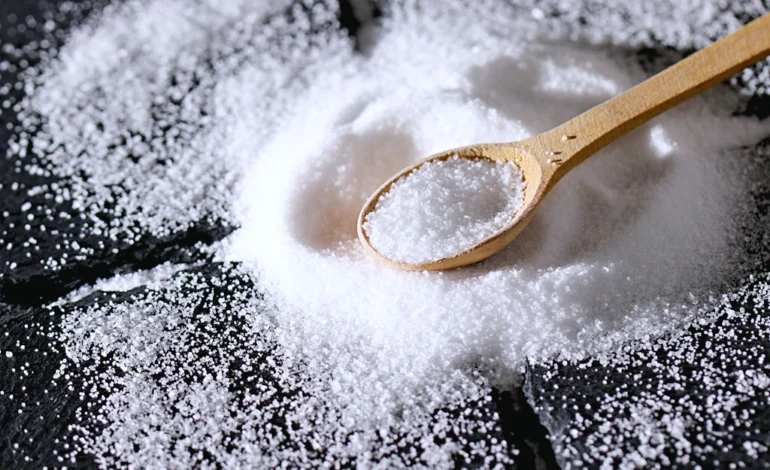
Sea salt has become a favorite ingredient in kitchens around the world, valued for its texture, flavor, and natural production process. Beyond cooking, it is commonly found in bath products, skincare treatments, wellness routines, and home remedies.
While many consumers view sea salt as a healthier alternative to traditional table salt, understanding its nutritional value, benefits, and limitations is essential before making it a regular part of your diet.
What Is Sea Salt?
Sea salt is produced through the evaporation of seawater, leaving behind natural salt crystals. Unlike highly refined table salt, sea salt typically undergoes minimal processing, which allows it to retain trace amounts of naturally occurring minerals.
Depending on where it is harvested, sea salt may contain small quantities of:
- Potassium
- Calcium
- Magnesium
- Iron
- Other trace minerals
The texture, color, and flavor can vary based on the source and harvesting method.
Sea Salt vs. Table Salt: What’s the Difference?
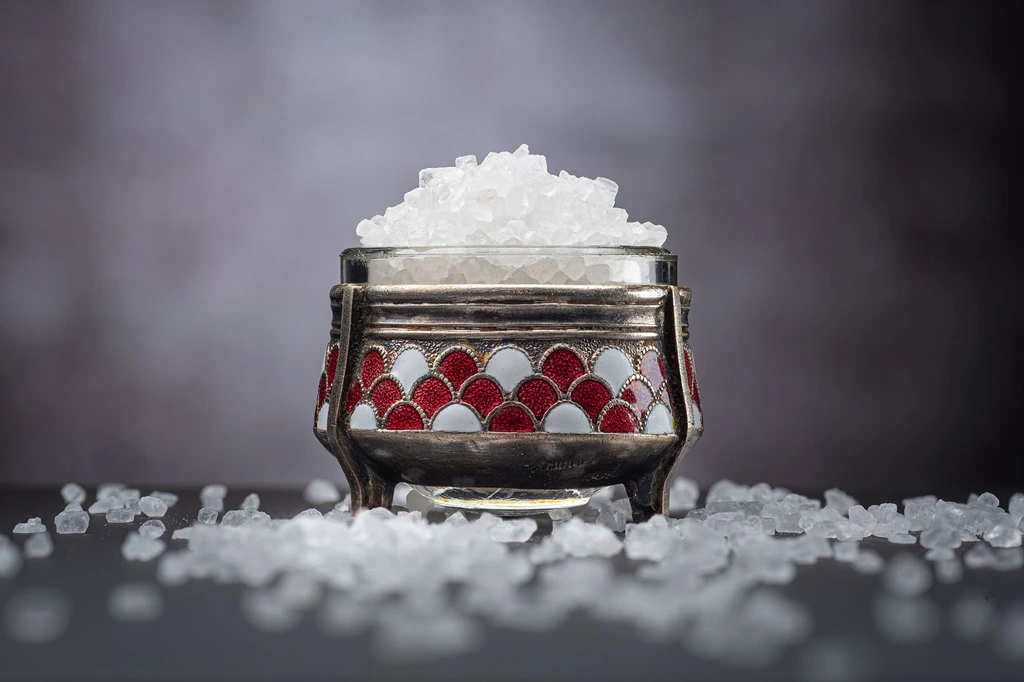
Both sea salt and table salt are primarily made of sodium chloride, the compound responsible for regulating fluid balance, nerve function, and muscle activity.
The primary differences include:
Processing
Table salt is heavily refined and often contains anti-caking agents to prevent clumping. Sea salt is generally less processed and maintains a more natural crystal structure.
Texture
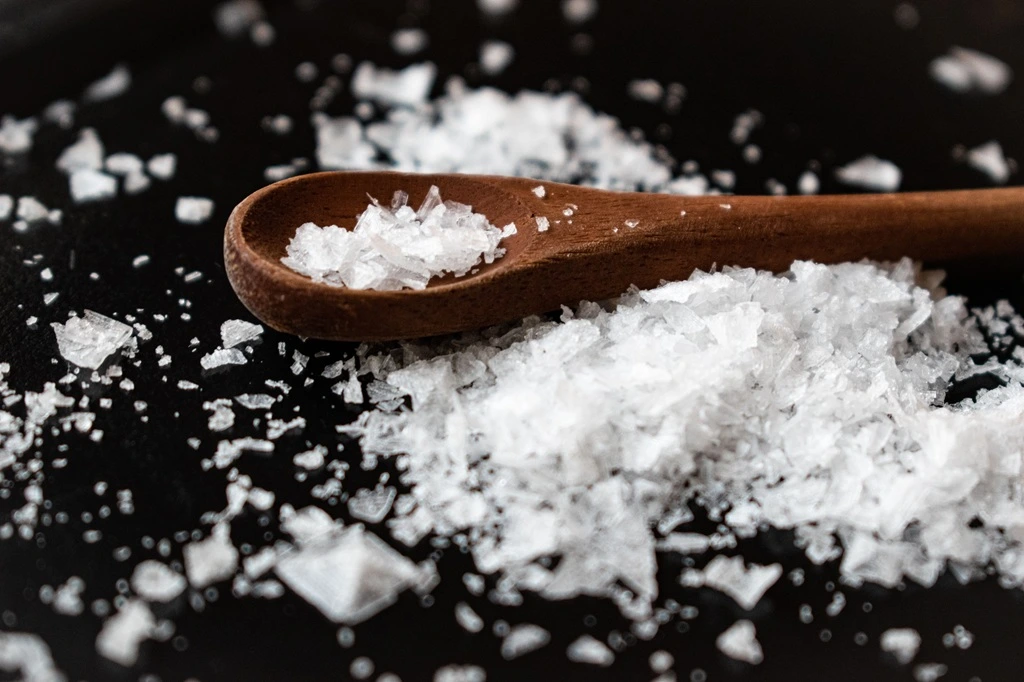
Sea salt crystals are often larger and coarser than table salt, which can affect how much is used during cooking.
Mineral Content
Sea salt contains trace minerals that are usually removed during table salt processing. However, these minerals exist in very small amounts and typically do not contribute significantly to daily nutritional requirements.
Potential Benefits of Sea Salt
Although sea salt should not be considered a health supplement, it plays an important role in several bodily functions because of its sodium content.
Supports Fluid Balance and Hydration
Sodium is one of the body’s key electrolytes and helps regulate fluid levels throughout the body.
Maintaining adequate sodium intake helps:
- Support hydration
- Regulate fluid distribution
- Assist nerve signaling
- Promote muscle function
Both excessive and insufficient sodium intake can disrupt fluid balance and overall health.
Supports Digestive Function
Sodium and chloride play important roles in digestion.
Chloride helps the body produce stomach acid, which is necessary for breaking down food and absorbing nutrients efficiently. Maintaining appropriate sodium levels can support normal digestive processes and nutrient absorption.
May Contribute to Skin Care Routines
Sea salt is frequently used in:
- Bath soaks
- Body scrubs
- Exfoliating treatments
- Spa therapies
Many people use sea salt baths to help soften skin and promote relaxation. Certain mineral-rich salts may help improve skin hydration and reduce roughness when incorporated into bathing routines.
While some individuals report skin-soothing effects, results can vary depending on the mineral composition of the salt and individual skin conditions.
Provides Trace Minerals
One reason sea salt remains popular is its natural mineral content.
Although these minerals are present in relatively small amounts, they contribute to sea salt’s unique flavor profile and appeal among consumers seeking less processed food ingredients.
Common Uses for Sea Salt
Sea salt is incredibly versatile and can be used in both culinary and household applications.
In the Kitchen
Popular culinary uses include:
- Seasoning vegetables
- Enhancing grilled meats
- Flavoring seafood dishes
- Finishing salads
- Topping baked goods
- Adding texture to desserts
Many chefs prefer sea salt as a finishing salt because its larger crystals create bursts of flavor and texture.
In Wellness and Beauty Products
Outside the kitchen, sea salt is commonly found in:
- Bath salts
- Facial scrubs
- Body exfoliants
- Foot soaks
- Homemade skincare products
Its coarse texture makes it particularly useful for exfoliation and personal care treatments.
Potential Risks of Consuming Too Much Sea Salt
Despite its popularity, sea salt should still be consumed in moderation.
Because it contains sodium, excessive intake can contribute to several health concerns, including:
High Blood Pressure
Consuming too much sodium may increase blood pressure in individuals who are sensitive to salt.
Increased Cardiovascular Risk
Long-term excessive sodium intake has been associated with a greater risk of heart-related health issues.
Kidney Health Concerns
People with kidney disease or impaired kidney function often need to monitor sodium intake carefully to avoid complications.
Fluid Retention
Excessive salt consumption may contribute to bloating and water retention in some individuals.
Is Sea Salt Healthier Than Regular Salt?
Many consumers assume sea salt is significantly healthier than table salt. However, both products contain similar amounts of sodium and should be used responsibly.
The trace minerals found in sea salt may offer minor nutritional advantages, but they are not present in quantities large enough to dramatically affect overall health.
The most important factor remains total sodium intake rather than the specific type of salt being consumed.
How to Use Sea Salt Properly
If you’re incorporating sea salt into your diet, consider these practical tips:
- Use it as a finishing seasoning rather than adding excessive amounts during cooking.
- Experiment with different grain sizes for texture and flavor.
- Pair it with fresh herbs and spices to reduce overall sodium use.
- Read food labels to monitor total daily sodium intake.
- Balance salt consumption with a nutrient-rich diet containing fruits, vegetables, and whole foods.
Some Parting Thoughts
Sea salt remains a versatile ingredient valued for its natural production process, unique texture, and culinary appeal. While it contains trace minerals and may be useful in skincare and wellness applications, it should not be viewed as a cure-all health product.
Like all forms of salt, sea salt is best enjoyed in moderation. Maintaining a balanced diet and monitoring sodium intake remain the most important factors for supporting long-term health and wellness.