





Common COVID-Era Antibiotic May Have Accelerated Drug Resistance
By Gloria Lancer for Ravoke.com Early pandemic decisions under scrutiny During the first wave of the COVID-19 pandemic, doctors faced enormous uncertainty. With limited treatment options available, many hospitalized patients

By Gloria Lancer for Ravoke.com
Early pandemic decisions under scrutiny
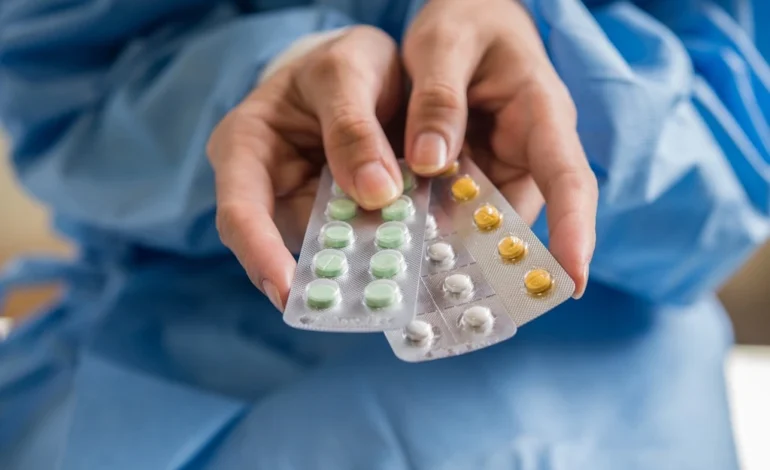
During the first wave of the COVID-19 pandemic, doctors faced enormous uncertainty. With limited treatment options available, many hospitalized patients were given antibiotics as a precaution against possible bacterial infections.
One of the most frequently prescribed medications was Azithromycin, typically used to treat respiratory infections. At the time, early research—later withdrawn—suggested it might help treat COVID-19 when paired with Hydroxychloroquine.
Although later studies showed no real benefit from this combination, the antibiotic continued to be widely used for months as clinicians searched for ways to help severely ill patients.
A new study raises concerns
Now, new findings published in Nature Microbiology suggest that this widespread use may have had unintended consequences. Researchers found that even short-term exposure to azithromycin in COVID patients was linked to changes in the body’s natural bacteria and an increase in antibiotic resistance markers.
The study analyzed more than 1,100 hospitalized adults across the United States, drawing data from a large research effort supported in part by the National Institute of Allergy and Infectious Diseases.
Participants were divided into groups based on whether they received azithromycin, other antibiotics, or no antibiotics at all.
Rapid biological changes detected
Researchers discovered that patients who received azithromycin experienced noticeable shifts in their upper respiratory microbiome—the ecosystem of bacteria that lives in the nose and airways.
Beneficial bacteria appeared to decline, while potentially harmful organisms such as Staphylococcus and Klebsiellabecame more prominent.
Even more concerning was the increase in antibiotic-resistance genes. These genes allow bacteria to survive drug treatments, making infections harder to treat in the future.
Perhaps the most striking finding: these changes were observed after just one day of antibiotic exposure—and persisted for at least a week after treatment stopped.
No benefit, but potential harm
Importantly, the study found no evidence that azithromycin improved inflammatory responses or outcomes in COVID patients. In other words, while the drug didn’t appear to help fight the virus, it may have contributed to longer-term risks.
Experts say this highlights a broader issue: using antibiotics to treat viral infections can have unintended consequences, especially when the drugs are not medically necessary.
A broader public health concern
The findings add to growing concerns about antibiotic overuse. Even before the pandemic, researchers estimated that a significant portion of antibiotic prescriptions—particularly for respiratory illnesses—were unnecessary.
Overprescribing antibiotics can accelerate antimicrobial resistance, a global health threat that makes common infections more difficult to treat.
This issue extends beyond hospitals. Many patients with mild respiratory illnesses, including children, are still routinely prescribed antibiotics despite those illnesses often being viral in nature.
Why preserving antibiotics matters
Azithromycin remains an important medication for treating certain bacterial infections and is also used preventively in patients with chronic conditions such as lung disease or weakened immune systems.
Because of this, experts emphasize the importance of using the drug appropriately to ensure it remains effective. Misuse today could limit its usefulness in the future.
A lesson from the pandemic
The early months of COVID-19 were marked by urgency and uncertainty, leading clinicians to try treatments in the absence of clear evidence. While understandable, these decisions are now being reexamined as more data becomes available.
This study underscores how even short-term medical decisions can have lasting biological effects—particularly when it comes to antibiotics.
What happens next
Researchers say further studies are already underway to examine how other antibiotics may affect the microbiome and resistance patterns in different patient populations.
As the medical community reflects on lessons from the pandemic, one takeaway is clear: careful, evidence-based use of antibiotics is more important than ever.
Extending the conversation: long-term implications
The implications of these findings go beyond COVID-19 and raise deeper questions about how antibiotics are used in modern medicine. While antibiotics have saved countless lives since their introduction, their effectiveness depends heavily on responsible use. Each time they are prescribed unnecessarily, the risk of resistance increases—not just for the individual patient, but for the broader population.
Antimicrobial resistance is already considered one of the most pressing global health threats. When bacteria become resistant, routine treatments can fail, leading to longer illnesses, more hospitalizations, and increased mortality. The pandemic may have unintentionally accelerated this problem by increasing antibiotic exposure on a massive scale.
Another concern is how changes to the microbiome may affect long-term health. The human microbiome plays a crucial role in immune function, digestion, and even mental health. Disruptions caused by antibiotics—especially repeated or unnecessary use—could have lasting consequences that scientists are only beginning to understand.
Moving forward, experts stress the need for improved diagnostic tools that help distinguish between viral and bacterial infections more quickly and accurately. This could reduce unnecessary prescriptions and ensure patients receive the most appropriate treatment.
Public awareness will also play a key role. Patients are often accustomed to receiving antibiotics for respiratory symptoms, even when they may not be needed. Educating both healthcare providers and the public about when antibiotics are truly necessary could help slow the spread of resistance.
Ultimately, the pandemic has provided a valuable, if difficult, lesson. It has shown how quickly medical practices can shift in times of crisis—and why maintaining scientific rigor, even under pressure, is essential to protecting long-term public health.
Frequently Asked Questions (FAQ)
Why were antibiotics used in COVID-19 patients?
Early in the pandemic, doctors prescribed antibiotics to prevent or treat possible bacterial co-infections, even though COVID-19 is caused by a virus.
What did the study find about azithromycin?
The study found that azithromycin did not improve COVID-19 outcomes but was linked to changes in the microbiome and increased antibiotic resistance.
How quickly can antibiotic resistance develop?
According to the research, signs of resistance can appear after just one day of exposure and may persist even after treatment stops.
What is the microbiome, and why does it matter?
The microbiome is the collection of bacteria living in the body. It plays a key role in overall health, and disruptions can increase the risk of infections and other issues.
Why is antibiotic resistance a problem?
Antibiotic resistance makes infections harder to treat, leading to longer illnesses, more severe complications, and fewer effective treatment options.
How can antibiotic misuse be reduced?
Improving diagnostics, following evidence-based guidelines, and increasing awareness among both doctors and patients can help reduce unnecessary antibiotic use.



1 Comment
[…] still in early stages, this technology could improve how long COVID is identified and managed, especially in younger populations where symptoms may be harder to […]
Comments are closed.