



Why Sleep Matters: Benefits of Sleep — It Could Be Life or Death
When we sacrifice sleep to keep up with a nonstop, 24/7 world, we don’t just lose rest — we lose focus, resilience, and protection against disease. Over time, chronic sleep
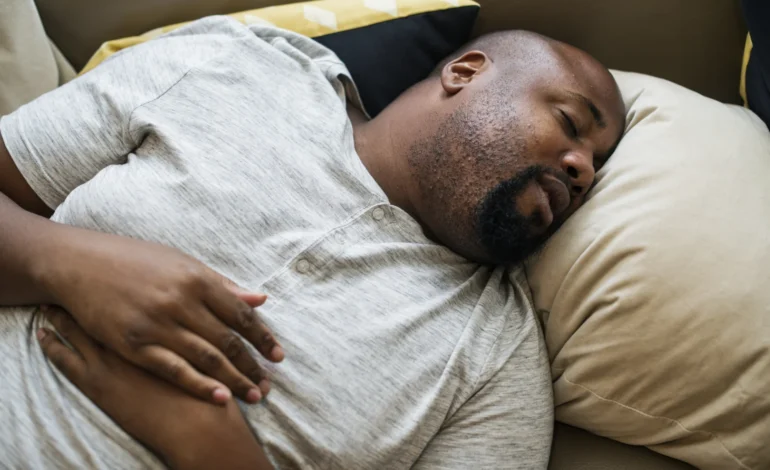

When we sacrifice sleep to keep up with a nonstop, 24/7 world, we don’t just lose rest — we lose focus, resilience, and protection against disease. Over time, chronic sleep deprivation can affect learning, safety, health, and quality of life in ways that are sometimes irreversible.
Why This Matters Now
Sleep has quietly become one of the most urgent—and overlooked—public health challenges of modern life. Longer workdays, constant digital stimulation, stress, and irregular schedules have fundamentally altered how and when people sleep. Many individuals now operate in a state of near-constant sleep debt, assuming exhaustion is normal.
It is not.
Scientific evidence increasingly shows that chronic sleep loss impairs judgment, weakens the immune system, increases the risk of accidents, and contributes to long-term health conditions. In extreme cases, insufficient sleep can become a matter of life and death.
Sleep Is Instinctive—and Essential
Even without understanding the science, humans instinctively know sleep matters. Going too long without sleep leaves us feeling disoriented, emotionally unstable, and physically drained. In contrast, a full night of rest restores clarity, improves mood, and increases resilience.
Researchers studying humans and animals have confirmed that sleep plays a critical role in nearly every major biological function, including:
- Immune system defense
- Metabolism and energy regulation
- Learning and memory formation
- Emotional balance and mental health
- Physical repair and cellular maintenance
The body regulates sleep much like it regulates breathing, hunger, and thirst—automatic processes essential to survival. This biological regulation strongly suggests that sleep serves a similarly vital role in maintaining health and life itself.
Why Do We Sleep? A Question Without a Simple Answer
The question “Why do we sleep?” has challenged scientists for decades. Researchers have explored this mystery from multiple perspectives, including examining what happens when humans or animals are deprived of sleep and studying sleep patterns across different species.
Despite significant advances, no single explanation has fully answered the question. Sleep remains one of the most complex and least understood biological processes.
What We’ve Learned From Sleep Research
The absence of a single definitive answer does not mean sleep research has failed. On the contrary, decades of study have revealed that sleep likely serves multiple essential functions simultaneously.
Evidence suggests that sleep:
- Restores brain function
- Consolidates memory and learning
- Regulates hormones and metabolism
- Strengthens immune response
- Supports emotional regulation
- Repairs tissues and cells
Rather than being explained by one theory, sleep appears to be a combination of restorative, protective, and adaptive processes. Understanding these overlapping functions helps explain why sleep deprivation affects so many aspects of health at once.
You Spend One-Third of Your Life Sleeping—Yet Sleep Remains a Struggle
The average person spends roughly one-third of their life asleep, yet sleep problems are widespread. Millions struggle to fall asleep, stay asleep, or wake feeling rested. Others may sleep for long periods but still feel exhausted due to poor sleep quality.
Researchers continue to study what happens to the brain and body during sleep and why these processes sometimes break down. Fortunately, advances in sleep medicine are making it easier to identify sleep disorders and develop effective treatments.
How Much Sleep Do You Need?
Sleep needs are highly individual. The amount of sleep that supports good health varies based on age, genetics, lifestyle, and medical status—and it can change throughout life.
Recommended Sleep Duration by Age
- Newborns (birth to 3 months): 14–17 hours
- Infants (4 to 12 months): 12–16 hours, including naps
- Young children (ages 1 to 5): 10–14 hours, including naps
- School-aged children (ages 6 to 12): 9–12 hours
- Teenagers (ages 13 to 18): 8–10 hours
- Adults (18 and older): 7–9 hours
These recommendations apply to most people, but not everyone. Some individuals inherit the trait of being a “short sleeper,” meaning they naturally function well on fewer hours of sleep.
Personal circumstances also matter. Illness, injury, recovery from surgery, and pregnancy—especially during the first trimester—can all increase sleep needs. Anyone consistently sleeping more or less than recommended should consider speaking with a healthcare provider.
Sleep Is Not a Single State—It Happens in Stages
Sleep does not mean the brain shuts down. While awareness of the environment decreases, the brain remains active and cycles through predictable stages. These stages are divided into two main categories:
- Non–Rapid Eye Movement (NREM) sleep
- Rapid Eye Movement (REM) sleep
A full sleep cycle lasts approximately 90 to 120 minutes. Most people complete four to five cycles per night when getting adequate rest.
NREM Sleep: Three Essential Stages
Stage 1 NREM: Light Sleep
Stage 1 occurs immediately after falling asleep. It is brief, lasting only a few minutes and accounting for about 5% of total sleep time. Muscle activity slows, breathing becomes more regular, and waking is easy.
Stage 2 NREM: Memory and Information Processing
Stage 2 is still considered light sleep but is deeper than stage 1. Brain waves slow and include short bursts of activity believed to help organize memories and process information gathered during waking hours.
Stage 2 accounts for approximately 45% of total sleep time—the largest share of any stage. People cycle through stage 2 multiple times each night, with each period generally lasting longer than the last.
Stage 3 NREM: Deep Sleep and Restoration
Stage 3 is the deepest stage of NREM sleep and is critical for physical restoration. During this stage, brain waves are slow and powerful, and the body focuses on:
- Repairing tissues
- Strengthening the immune system
- Releasing growth hormones
- Supporting overall recovery
Adults spend about 25% of their sleep in stage 3, while children and infants need significantly more. As people age, the amount of deep sleep they experience naturally declines.
Waking during stage 3 can cause sleep inertia, a temporary state of confusion or mental fog that typically lasts about 30 minutes.
REM Sleep: Dreaming and Brain Activation
REM sleep is the stage where most dreaming occurs. During REM, the eyes move rapidly behind closed eyelids, and brain activity closely resembles wakefulness. At the same time, most muscles are temporarily paralyzed to prevent physical movement during dreams.
REM sleep accounts for roughly 25% of total sleep time. The first REM cycle is usually the shortest—around 10 minutes—while later cycles can last up to an hour. REM sleep plays a critical role in emotional regulation, learning, and memory integration.
How Doctors Measure Sleep and Diagnose Disorders
When sleep problems interfere with daily life, healthcare providers may recommend diagnostic testing. Common sleep-related tests include:
- Polysomnography (in-lab sleep study): The most comprehensive evaluation, conducted overnight
- At-home sleep studies: Less comprehensive tests used primarily to confirm obstructive sleep apnea
- Electroencephalogram (EEG): Records brain wave activity and identifies abnormalities
- Actigraphy: A wearable device that tracks sleep-wake cycles over time
- Multiple Sleep Latency Test (MSLT): Measures daytime sleepiness and helps diagnose narcolepsy
- Maintenance of Wakefulness Test (MWT): Assesses the ability to stay awake, often used for safety-sensitive professions
Healthcare providers determine which tests are appropriate based on symptoms and medical history.
Sleep Loss Affects Health, Safety, and Quality of Life
Chronic sleep deprivation does more than cause fatigue. It reduces reaction time, impairs judgment, weakens immune defenses, and increases the risk of accidents. Over time, insufficient sleep has been linked to heart disease, diabetes, depression, and reduced life expectancy.
Sleep is not wasted time—it is essential maintenance for both brain and body.
The Bottom Line
Sleep is a biological necessity, not a luxury. Understanding how sleep works and why it matters allows us to make informed decisions that protect health, safety, and longevity. In a world that rarely slows down, prioritizing sleep may be one of the most powerful—and life-saving—choices we can make.
FAQ: Sleep and Health
Why is sleep critical for survival?
Sleep supports immune function, memory, emotional stability, metabolism, and physical repair.
Can long-term sleep deprivation be dangerous?
Yes. Chronic sleep loss increases the risk of disease, accidents, and cognitive decline.
Why do I wake up tired even after sleeping many hours?
Poor sleep quality, insufficient deep sleep, or an untreated sleep disorder may be responsible.
Are sleep needs genetic?
Yes. Genetics influences how much sleep an individual needs to function well.
When should I seek medical help for sleep issues?
If sleep problems persist or interfere with daily life, consult a healthcare provider.
About the Author
Charles Mattocks is the owner of Ravoke and an award-winning filmmaker, actor, author, and global health advocate. The nephew of reggae legend Bob Marley, Charles has devoted his life to raising awareness about chronic illness, health equity, and personal empowerment. His groundbreaking television projects — including Reversed and Eight Days — have aired on major networks and inspired audiences worldwide. Through his work in film, writing, and health media, Charles continues to champion wellness and the importance of evidence-based care across communities.