



The Milk Revolution: Why the USA is Reclaiming Whole Milk in 2026
In a landmark decision on January 14, 2026, the United States officially pivoted away from fifteen years of restrictive school nutrition policy. President Trump signed the Whole Milk for Healthy
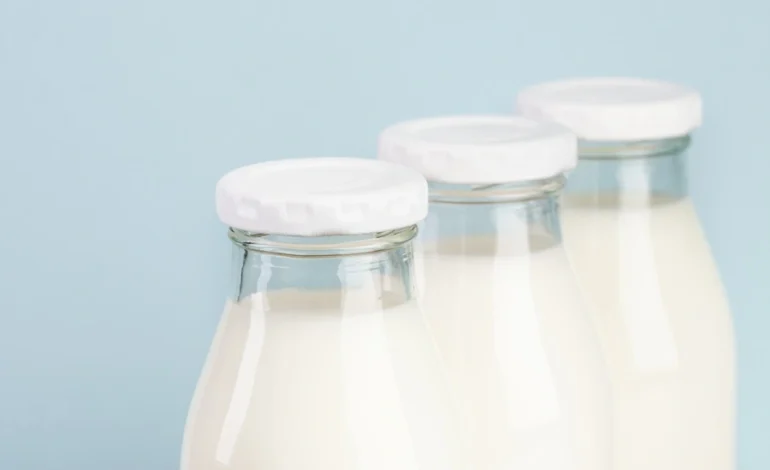

In a landmark decision on January 14, 2026, the United States officially pivoted away from fifteen years of restrictive school nutrition policy. President Trump signed the Whole Milk for Healthy Kids Act of 2025 into law, effectively overturning the 2010 mandate that limited school milk to fat-free or 1% varieties. This move is more than just a change in cafeteria menus; it represents a major “divorce” between the U.S. and previous dietary dogmas that prioritized low-fat labels over nutrient density.
The Legislative Shift
What is the Whole Milk for Healthy Kids Act?
For over a decade, the National School Lunch Program (NSLP) was tied to the “low-fat is best” ideology. The new 2026 Act changes the landscape by permitting choice. Schools can now offer whole (3.25%) and reduced-fat (2%) milk, both flavored and unflavored. There has been a definitive shift toward saturated fat “amnesty.” Crucially, the law excludes the saturated fat in fluid milk from the total weekly fat limits schools must follow. This allows schools to serve whole milk without having to cut other healthy fats (like those in avocados or nuts) elsewhere in the meal. It also removes “red tape” for dairy-free students, allowing parents to provide written notes for milk substitutions for any reason—not just medical—ensuring that the move toward whole milk doesn’t leave lactose-intolerant or plant-based students behind.
2026 Update
Beyond the Cafeteria
The Act (Public Law 119-69) included several “stealth” provisions critical for 2026:
- Prioritizing U.S. Farmers: The law prohibits the USDA from sourcing milk from state-owned enterprises of “adversarial nations,” specifically targeting international conglomerates and redirecting funds to U.S. family-owned dairy farms.
- The Sugar Tension: While the law allows whole milk, the 2025–2030 Dietary Guidelines released alongside it emphasize “no added sugars.” This creates a unique tension: schools can serve whole milk, but they are being pushed to eliminate chocolate and strawberry varieties to meet new sugar caps.
- Immediate Transition: The USDA has issued a “stay of enforcement,” meaning schools can begin transitioning their supply chains immediately for the Fall 2026 semester.
The “Immune Shield”
The Milk Fat Globule Membrane (MFGM)
When we skim milk to remove fat, we don’t just lose calories; we lose the Milk Fat Globule Membrane (MFGM). This is a complex “wrapper” around the fat droplets in milk that is packed with bioactive proteins and lipids. MFGM contains gangliosides and sialic acid, which are essential for the formation of synapses in the brain. Recent 2025 longitudinal studies show that children consuming full-fat dairy with intact MFGM have measurable improvements in executive function and behavioral regulation. Furthermore, the proteins in the MFGM have been shown to reduce the incidence of middle-ear infections (otitis media) and respiratory issues in school-aged children. By drinking skim milk, students have been missing out on this natural “immune shield.”

The Obesity Paradox
The Science of Satiety
One of the loudest arguments for low-fat milk was the fight against childhood obesity. However, modern international findings suggest the U.S. may have been moving in the wrong direction. A massive meta-analysis involving nearly 21,000 children across seven countries found that those who drank whole milk had 40% lower odds of being overweight or obese compared to those who drank reduced-fat milk.
Why does more fat lead to less weight? Milk fat triggers the release of satiety hormones. Children who drink whole milk often feel satisfied longer, which reduces the “empty calorie” snacking that typically follows a watery, low-fat lunch. Additionally, the fat in whole milk allows the body to properly absorb Vitamins A and D, which are fat-soluble. Without the fat “carrier,” children drinking fortified skim milk were unable to fully utilize the nutrients added back into it.
Environmental Efficiency
Reducing System Waste
Critics often argue that whole milk has a higher carbon footprint. However, the 2026 dialogue has shifted toward Total System Waste. USDA data from late 2025 revealed that under the “skim-only” mandate, roughly 45 million gallons of school milk were thrown away annually. When a child throws away a carton of skim milk because they dislike the taste, 100% of the emissions used to produce, process, and transport that carton become “waste emissions.” Early 2026 pilot programs show that when whole milk is offered, waste drops by nearly 60%, making it more environmentally efficient because the nutrition is actually consumed.
The True Health Benefits Summary
- Brain Health: Essential fatty acids and phospholipids (like sphingomyelin) critical for myelination and faster neural signaling.
- Bone Density: Enhanced absorption of Vitamin D and Calcium.
- Waste Reduction: Drastic decreases in discarded cartons and lost nutrition.
Frequently Asked Questions (FAQ)
1. Is whole milk “too high” in calories?
While it has more calories per cup (approx. 150 vs. 90), the increased satiety leads to lower total daily calorie intake from other sources.
2. Must schools serve whole milk?
No, it is an option. Parents must advocate at the district level for its inclusion.
3. What about heart disease?
2026 pediatric studies suggest dairy fat does not carry the same cardiometabolic risk in children as trans-fats or high-sugar diets.
4. Does the AHA support this?
The American Heart Association remains cautious, still encouraging low-fat dairy for those with specific cardiovascular risks, emphasizing the need for an individualized approach.