




Measles Cases Climb Across the U.S. as New Outbreaks Emerge
By Gloria Lancer for Ravoke.com A concerning rise in infections Measles cases in the United States are continuing to rise, with the total now surpassing 1,500 infections nationwide, according to


By Gloria Lancer for Ravoke.com
A concerning rise in infections
Measles cases in the United States are continuing to rise, with the total now surpassing 1,500 infections nationwide, according to the Centers for Disease Control and Prevention. The latest weekly update shows dozens of new cases, signaling that the outbreak is still gaining momentum.
Health officials warn that the country could exceed last year’s already elevated case count in the coming months. If the trend continues, the U.S. may risk losing its measles elimination status—a designation it has held since 2000.
A highly contagious disease resurfaces
Measles is known as one of the most contagious viruses in the world. Even a single case can quickly spread in communities with low vaccination rates.
Most of the current infections are linked to outbreaks rather than isolated cases. According to federal data, a vast majority of confirmed infections are tied to clusters occurring across dozens of states. Public health experts define an outbreak as three or more related cases, and several new clusters have recently been identified.
Children and unvaccinated individuals most affected
The data shows that young people are bearing the brunt of the outbreak. A significant portion of cases involve children under five, while nearly three-quarters affect individuals under 19.
Vaccination status remains a key factor. The overwhelming majority of those infected are either unvaccinated or have an unknown vaccination history. Only a small percentage of cases involve individuals who received the full two-dose measles, mumps, and rubella vaccine.
Hospitalizations have occurred in a small but notable share of cases, though no deaths have been reported so far this year. Still, officials caution that complications from measles can be serious, especially for young children.
Texas outbreak raises alarms
One of the most concerning hotspots is in Texas, where cases continue to rise steadily. A large portion of infections has been linked to a detention facility in Hudspeth County, where the virus has spread among residents and staff.
Reports indicate that individuals working at the facility may have unknowingly carried the virus into surrounding communities, increasing the risk of further transmission. This has heightened concern among local health authorities trying to contain the spread.
Other states see continued spread
Additional states are also reporting ongoing outbreaks. Arizona has recorded dozens of cases tied to a longer-running outbreak, while Florida continues to see rising numbers, including clusters linked to a university campus.
In Idaho and North Dakota, smaller outbreaks persist, with some cases requiring hospitalization. Meanwhile, South Carolina appears to be nearing the end of a major outbreak that has affected hundreds of residents since late 2025.
The risk of underreported cases
The official case count includes only lab-confirmed infections, but health officials acknowledge that the true number may be higher. Probable cases reported by local jurisdictions are not always immediately reflected in national totals.
This gap highlights the difficulty of tracking fast-moving outbreaks, especially in areas with limited reporting or testing delays.
Why vaccination remains critical
Public health agencies continue to stress that vaccination is the most effective way to prevent measles and limit outbreaks. The measles, mumps, and rubella (MMR) vaccine has been proven to provide strong protection when administered in the recommended two doses.
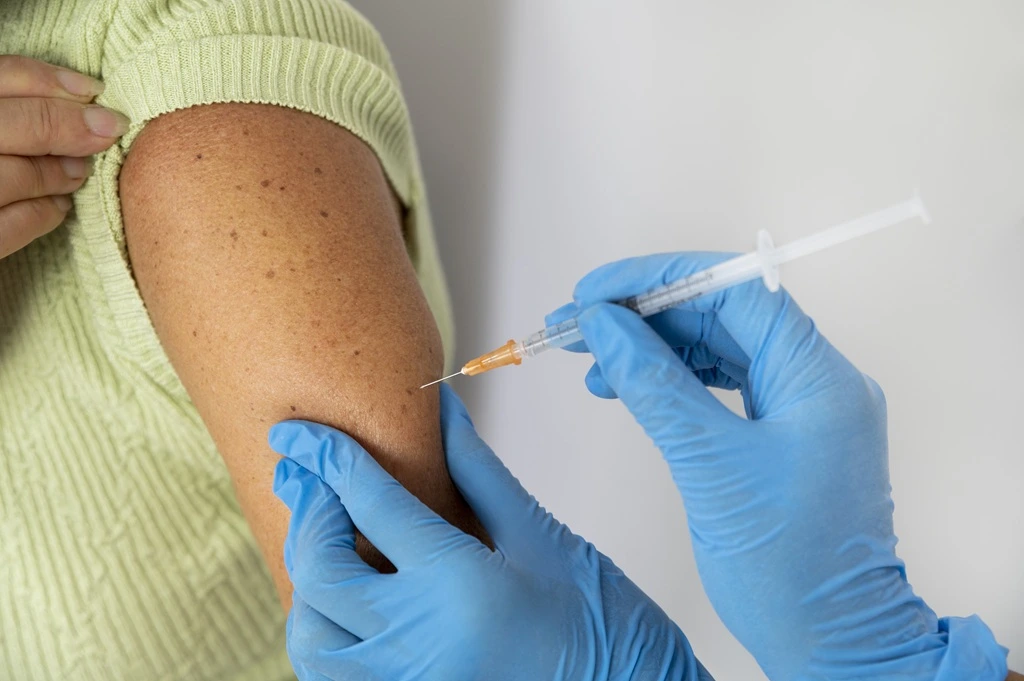
Communities with higher vaccination rates are far less likely to experience widespread transmission, even when cases are introduced from outside sources.
What comes next
With several outbreaks still active and new cases emerging, experts say the coming months will be critical in determining whether the U.S. can contain the spread.
Efforts to increase vaccination coverage, improve public awareness, and respond quickly to new cases will play a key role in preventing further escalation. Without these measures, the country could face continued outbreaks—and potentially lose a major public health milestone.
Frequently Asked Questions (FAQ)
What is causing the rise in measles cases in the U.S.?
The increase is largely driven by outbreaks in communities with low vaccination rates. Because measles spreads very easily, even small gaps in immunization can lead to rapid transmission.
How contagious is measles?
Measles is extremely contagious. It can spread through the air when an infected person coughs or sneezes, and the virus can linger in the air or on surfaces for hours.
Who is most at risk of infection?
Young children, unvaccinated individuals, and those with weakened immune systems are at the highest risk of contracting measles and developing complications.
Is the measles vaccine effective?
Yes, the MMR vaccine is highly effective. Two doses provide strong, long-lasting protection against measles and help prevent outbreaks.
Are measles cases being underreported?
Possibly. Official counts include only lab-confirmed cases, but health officials are aware of additional probable cases that may not yet be included in national data.
Can measles lead to serious complications?
Yes, measles can cause complications such as pneumonia, brain swelling, and hospitalization, particularly in young children.
Could the U.S. lose its measles elimination status?
If outbreaks continue and transmission remains widespread, the U.S. could lose its elimination status, which it has maintained since 2000.