



Rising Tensions and Rhetoric: Examining Recent U.S. Statements on Iran
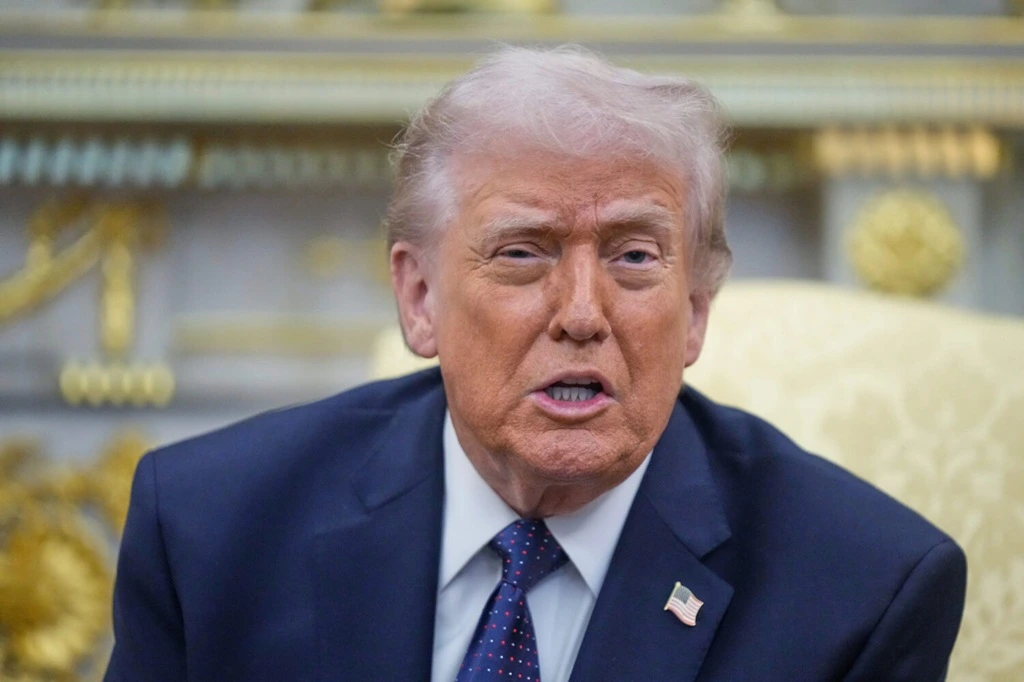
A Controversial Message on a Symbolic Day Recent public remarks by Donald Trump have drawn attention after being shared during Easter Sunday, a day typically associated with reflection and unity.

A Controversial Message on a Symbolic Day
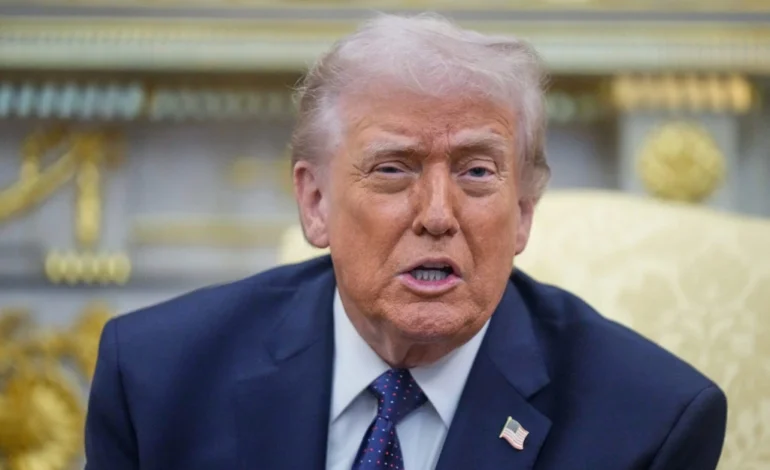
Recent public remarks by Donald Trump have drawn attention after being shared during Easter Sunday, a day typically associated with reflection and unity. The statements, posted on social media, included strong language and references to potential military escalation involving Iran.
The timing and tone of the message have sparked discussion across political and diplomatic circles, particularly given the sensitivity of ongoing geopolitical tensions in the region.
In the post, the president warned of a potential large-scale strike targeting infrastructure such as power plants and bridges. He also demanded the reopening of the Strait of Hormuz, using aggressive phrasing that included profanity directed at Iranian leadership. The message reportedly included wording such as “open the f—ing strait” and warned of severe consequences if demands were not met. It concluded with a religious reference, adding to the unusual tone and mixed messaging.
The combination of profanity, threats, and religious language contributed to the strong reactions that followed.
Focus on the Strait of Hormuz
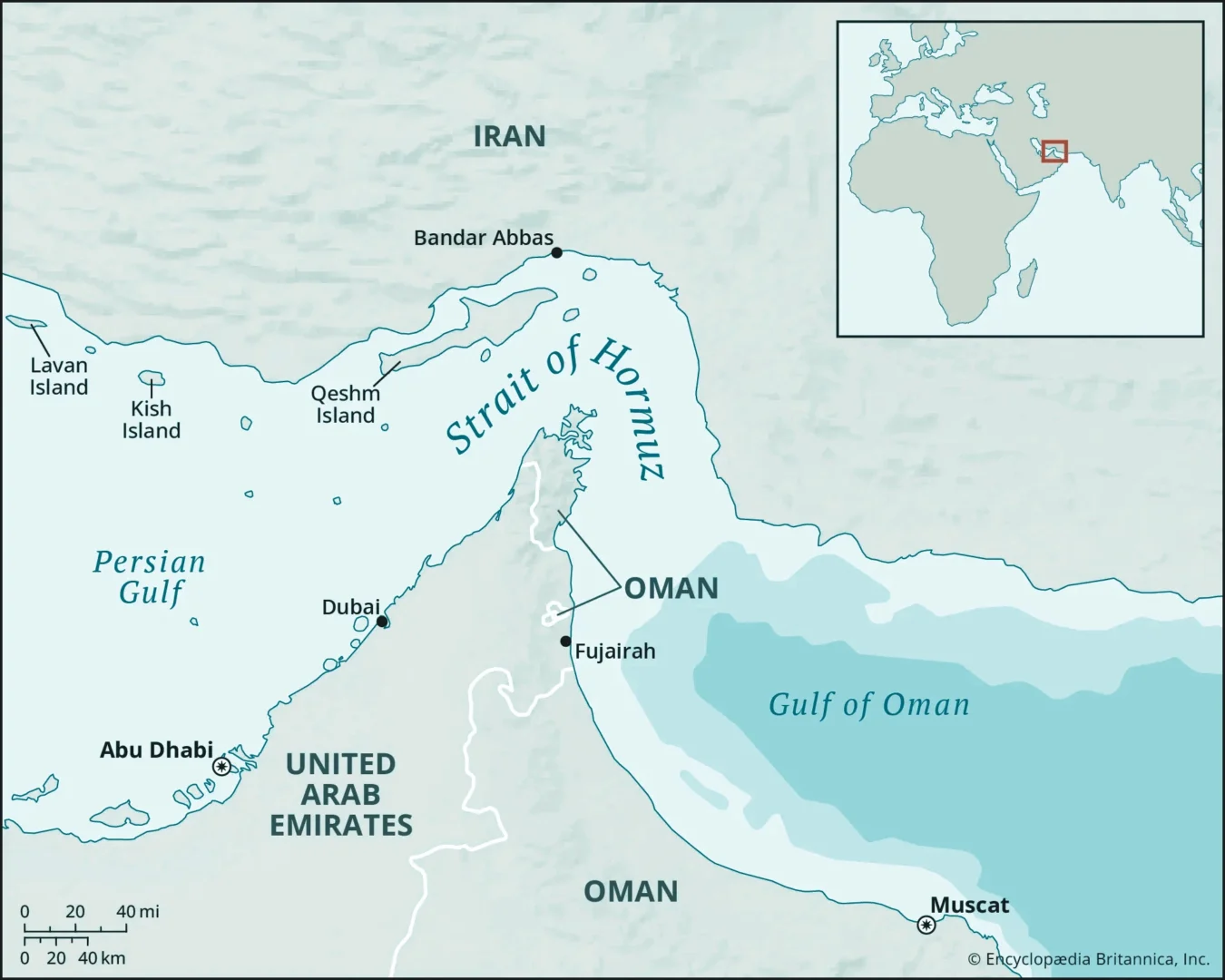
At the center of the situation is the Strait of Hormuz, one of the world’s most critical النفط transit routes. A significant portion of global oil supply passes through this narrow waterway, making it a focal point during periods of conflict.
Any disruption to shipping in this area can have immediate consequences for global energy markets, affecting fuel prices, supply chains, and economic stability. For decades, the strait has been viewed as a geopolitical pressure point, with tensions periodically escalating between regional and global powers.
Escalation in Language and Strategy
The recent statements signaled a more aggressive rhetorical stance, including references to potential military actions targeting infrastructure. While such language does not necessarily translate into immediate policy decisions, it can influence diplomatic dynamics and increase uncertainty.
In modern geopolitics, public messaging from national leaders plays a significant role. Statements made on widely accessible platforms can quickly shape international perception, impact negotiations, and trigger responses from other governments.
International Reactions and Diplomatic Signals
Officials and observers around the world have responded cautiously, emphasizing the importance of measured communication during periods of tension. Diplomatic responses often aim to de-escalate rhetoric while maintaining readiness for potential developments.
Religious and global figures also used the occasion of Easter to promote themes of peace and dialogue, highlighting the contrast between calls for restraint and the language of confrontation.
In parallel, regional representatives and international stakeholders have continued to monitor the situation closely, particularly given the potential economic and security implications tied to the Persian Gulf.
Social Media Reaction: Divided, Intense, and Immediate
The response online was swift and deeply divided. Across platforms, users, commentators, and political observers reacted not only to the geopolitical implications but also to the tone and language of the message.
Some users expressed concern about the use of profanity and the escalation in rhetoric, describing the language as unusually aggressive for a sitting president and warning that it could heighten tensions during an already volatile conflict. Others focused on the implications of targeting infrastructure, raising questions about international law and the risks of further escalation.
At the same time, a segment of supporters defended the message, viewing it as a show of strength or a negotiating tactic designed to pressure Iran into reopening the critical shipping route. This divide reflects broader public opinion trends surrounding the conflict, which have remained polarized.
Examples of Online Commentary
Reactions ranged widely in tone and perspective:
- Some users criticized the wording itself, pointing to the use of phrases like “f—ing” and “crazy bastards” as inappropriate for official communication
- Others highlighted the combination of threats and religious language as confusing or contradictory
- A number of posts focused on the potential consequences, warning that such rhetoric could escalate into broader conflict
- Supportive voices argued that strong language signals urgency and deterrence in high-stakes geopolitical situations
Media coverage noted that the backlash was not limited to one political group, with criticism emerging from multiple directions, including policymakers and analysts.
The Role of Communication in Modern Conflict
This situation underscores how communication has evolved in global politics. Leaders now speak directly to both domestic and international audiences through digital platforms, often bypassing traditional diplomatic channels.
While this immediacy can increase transparency, it also raises the risk of misinterpretation or escalation. Strong or ambiguous statements can be perceived differently across cultures and governments, complicating efforts to maintain stability.
Economic and Strategic Implications
Beyond rhetoric, the underlying issue remains deeply tied to energy security and global trade. The Middle East continues to play a central role in the global economy, and disruptions in the region can have far-reaching consequences.
Markets tend to respond quickly to geopolitical uncertainty, particularly when it involves critical infrastructure or supply routes. Even the perception of risk can influence oil prices and investor confidence.
Balancing Pressure and Diplomacy
Historically, periods of heightened tension between the United States and Iran have alternated between diplomatic engagement and strategic pressure. Sanctions, negotiations, and military positioning have all been used at different times to influence outcomes.
The current situation reflects this ongoing balancing act, where messaging, policy decisions, and international alliances all interact to shape the trajectory of events.
Looking Ahead
While it remains unclear how these recent statements will influence policy or actions, they highlight the fragile nature of global diplomacy in high-stakes regions. The combination of strategic resources, political tensions, and rapid communication creates an environment where developments can evolve quickly.
Observers continue to watch for signals from both governments, as well as responses from international organizations, to assess whether the situation will move toward escalation or renewed dialogue.
Frequently Asked Questions
Why is the Strait of Hormuz so important?
The Strait of Hormuz is a key global shipping route for oil. Disruptions there can impact energy supplies and prices worldwide.
What triggered the recent attention?
Public statements by Donald Trump referencing Iran and potential actions in the region drew widespread attention due to their timing and tone.
Does strong rhetoric always lead to military action?
Not necessarily. Political statements can be part of broader negotiation strategies and do not always result in immediate policy changes.
How do global markets react to tensions like this?
Markets often respond quickly to geopolitical uncertainty, especially when energy supply routes are involved, leading to fluctuations in oil prices and investor sentiment.
What role does diplomacy play in situations like this?
Diplomacy remains essential in managing tensions, preventing escalation, and finding long-term solutions through negotiation and cooperation.
Why do leaders use social media for communication?
Social media allows leaders to communicate instantly with large audiences, though it can also increase the risk of misunderstandings or rapid escalation.
Could this situation affect global stability?
Any conflict involving major energy routes or geopolitical powers has the potential to influence global stability, depending on how events unfold.