




The TRT Trap: How Men Were Hooked on Testosterone for Life
Written by Charles Mattocks for Ravoke.com Devin didn’t wake up one morning thinking, I need testosterone injections. He woke up tired. Not just physically tired—but dulled. The kind of exhaustion


Written by Charles Mattocks for Ravoke.com
Devin didn’t wake up one morning thinking, I need testosterone injections.
He woke up tired.
Not just physically tired—but dulled. The kind of exhaustion that sleep doesn’t fix. Workouts that once cleared his head now felt like chores. His competitive edge had softened. His motivation flickered. And the quiet confidence he carried through his 30s felt like it was slipping through his fingers.
So he did what most men are told to do.
He went to a clinic.
Within minutes, the conversation turned clinical. Numbers. Ranges. A diagnosis. And then the solution arrived, already packaged and polished.
Testosterone injections.
Weekly. Indefinite. “Life-changing,” they said.
What they didn’t say was that it wasn’t really a treatment—it was a subscription.
They Want You Hooked for Life
There’s a truth most men never hear when they complain of low testosterone.
Once you start synthetic testosterone injections, your body stops making its own.
That’s not a rare complication.
That’s the mechanism.
Synthetic testosterone shuts down your natural production through a feedback loop your body has relied on for survival. The moment outside testosterone becomes regular, the internal system powers down.
Stop the injections, and the crash comes fast.
Energy collapses.
Libido disappears.
Mood swings arrive uninvited.
So men stay on it.
Not because they want to—but because they have to.
From a business standpoint, it’s flawless. A lifelong customer. Predictable revenue. Endless labs and refills.
From a biological standpoint, it’s a hostile takeover.
Devin felt it instinctively. Something about “for life” didn’t sit right.
The Hormone They Never Mentioned
What no one brought up—not once—was the hormone his body had depended on long before testosterone ever came in a syringe.
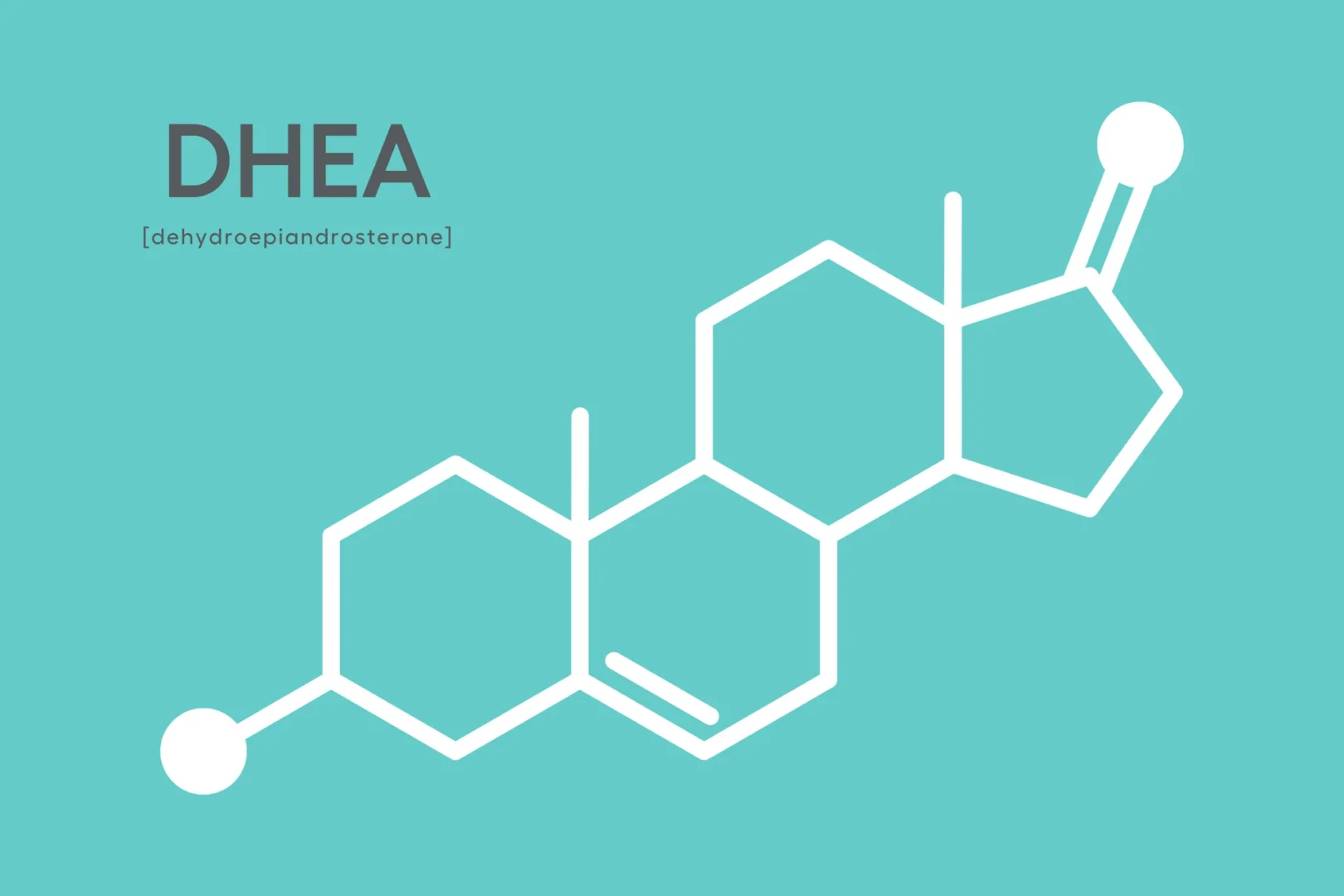
DHEA.
Often called the “father of testosterone.”
More accurately known as the “mother of all hormones.”
DHEA is a natural precursor hormone produced by the adrenal glands. Your body uses it as raw material to create testosterone and other hormones—as needed.
It’s not a replacement.
It’s a foundation.
When Devin asked about it, the response was dismissive.
“Too mild.”
“Doesn’t really work.”
“TRT is more effective.”
That reaction told him more than the explanation ever could.
The Unspoken Truth
Here’s what no one says out loud.
A bottle of DHEA costs a tiny fraction of a TRT prescription.
A man who can support his own testosterone production naturally doesn’t need weekly injections. He doesn’t require constant monitoring. He doesn’t become dependent.
And that makes him unprofitable.
The system doesn’t start with restoring the foundation. It skips straight to replacement—because replacement creates customers, while restoration creates independence.
The 30+ Hormone Decline No One Warns You About
DHEA peaks in your mid-20s.
After that, it doesn’t gently decline—it drops sharply.
By age 40, most men have roughly half of the DHEA they once had. By 50, even less.
This decline is closely linked to:
- Lower energy and motivation
- Reduced libido and drive
- Mood instability
- Poor stress resilience
These are the same symptoms men are rushed to medicate—without ever addressing the missing precursor.
Devin was 42.
No one had tested his DHEA.
Working With the Body, Not Against It
Your body isn’t broken.
It’s under-supported.
By providing the precursor—DHEA—you allow the body to decide how much testosterone to produce. Nothing is forced. Feedback loops remain intact. Balance is preserved.
This is cooperation.
Synthetic injections don’t cooperate. They override. They dominate. They silence the body’s own intelligence.
Devin decided to pause before committing to injections.
He tested his DHEA levels.
They were low—critically low.
Devin’s Shift
Instead of starting testosterone injections, Devin took a different first step.
He began supporting his DHEA levels—one capsule daily—while dialing in sleep, resistance training, and stress management. Nothing extreme. No biohacking theatrics.
What followed wasn’t dramatic—but it was real.
His energy stopped crashing in the afternoon.
Workouts felt productive again.
His mood steadied.
His drive returned—not aggressively, but authentically.
No spikes.
No artificial highs.
No dependency.
Just a steady return to feeling like himself.
He hadn’t replaced testosterone.
He had restored the raw material.
The First Step—Not the Last Resort
Synthetic testosterone should never be the opening move.
Before committing to a lifetime of injections, the first logical step is replenishing the foundational building block your body is missing.
For many men, supporting DHEA isn’t the final solution—but it’s the right place to start.
Devin never needed a takeover.
He needed support.
The Unprofitable, Sovereign Man
A man who understands his hormonal cascade is a sovereign man.
He isn’t a patient.
He isn’t a lifelong customer.
He isn’t dependent.
He’s informed.
He’s engaged.
He’s responsible.
And a man like that—one who works with his biology instead of surrendering it—is a threat to any system built on dependency.
A Daily Declaration
Supporting testosterone naturally isn’t about shortcuts.
It’s about a daily declaration.
One capsule.
One choice.
One commitment to work with the body’s innate wisdom.
Not surrendering to a synthetic crutch—but reinforcing the foundation.
The Side Effect Is Freedom
The side effect of their system is dependency.
The side effect of supporting your own production is freedom.
Freedom from needles.
Freedom from lifelong prescriptions.
Freedom to own your health, your vitality, and your manhood.
Not injected.
Not rented.
Not controlled.
Built from the inside out.
FAQ‘s
Is DHEA the same as testosterone?
No. DHEA is a precursor hormone. Your body converts it into testosterone and other hormones as needed, rather than forcing fixed amounts into your system.
Why isn’t DHEA discussed before TRT?
Because a bottle of DHEA costs a tiny fraction of a TRT prescription. A man who can support his own T production naturally is a man they can’t profit from.
Can DHEA help with low-T symptoms?
For many men, supporting DHEA may improve energy, mood, drive, and libido. Individual results vary, and testing and guidance matter.
Is TRT ever appropriate?
In some clinical cases, yes. But it should be a last resort, not the first option explored.
Should I talk to a healthcare professional first?
Always. Hormones matter. Testing, context, and individual health history are essential.
Closing Thoughts for the Reader
If you’ve read this far, you’re probably not looking for a quick fix.
You’re looking for the truth.
And the truth is this:
Your body wasn’t designed to be controlled.
It was designed to be supported.
The TRT trap is real. The dependency is real. The business model is real. And the worst part is how quietly it happens—one injection at a time, one “maintenance plan” after another, until a man who once felt strong and sovereign becomes dependent and resigned.
But there’s a better way.
Devin’s story isn’t a miracle. It’s not a miracle because it didn’t come from outside of him. It came from supporting what was already inside him.He didn’t replace his body. He didn’t override it.
He restored the missing foundation.