





The Silent Revolution: How Nutrition Is Filling the Gap in Global Mental Health Care
By Matt “Canada” Brown Founder, CEO & Chief Philanthropic Advocate and Educator For ravoke.com Introduction As national health budgets face a looming “fiscal cliff,” a quiet but powerful shift is


By Matt “Canada” Brown Founder, CEO & Chief Philanthropic Advocate and Educator For ravoke.com
Introduction
As national health budgets face a looming “fiscal cliff,” a quiet but powerful shift is taking place in how communities approach emotional well-being. From the urban centers of North America to rural districts in Western Asia, the traditional model of mental health care is being forced to evolve.
With the World Health Organization (WHO) reporting that over one billion people now live with mental health conditions, and median government spending on mental health stalled at just 2% of total health budgets, a new and more accessible frontier has emerged: Nutritional Psychiatry.
The Math Behind a Broken System
The math of modern mental health care is increasingly impossible to solve.
In high-income nations, waitlists for therapy often stretch into months. In low-income regions, there may be as few as 0.04 mental health workers per 100,000 people. When professional intervention is out of reach, communities are being forced to adapt.
This is where implementation science enters the picture.
Rather than replacing therapy, this movement treats the dinner table as a primary site for emotional regulation. Recent 2025 clinical guidelines, endorsed by the World Federation of Societies for Biological Psychiatry, officially recognize diet as a modifiable factor in the treatment of depression and anxiety.
This is not about dismissing clinical care. It is about offering a daily, tangible tool for resilience when the system fails to provide a safety net.
Food as Mental Health Infrastructure
“A healthy workforce is a productive workforce, yet as providers are forced to scale back, people are falling through the cracks,”
— Canadian Mental Health Association
In response, community-led “produce prescription” programs are rising worldwide, reframing food security as a form of mental health insurance.
When access to clinical care is limited, the biological priority becomes stabilizing the Gut–Brain Axis.
Approximately 95% of the body’s serotonin—often referred to as the “feel-good” neurotransmitter—is produced in the gut. Chronic stress disrupts the microbiome, creating a feedback loop of anxiety and inflammation.
To interrupt this cycle, health advocates are focusing on Everyday Resilience Foods—accessible, affordable items that act as biological buffers against stress.

Everyday Resilience Foods Explained
The Fermentation Fix
Yogurt, kefir, sauerkraut, and other fermented foods introduce probiotics that communicate directly with the brain via the vagus nerve, potentially lowering cortisol, the body’s primary stress hormone.
Omega-3s for Brain Structure
For those without access to fresh salmon, canned sardines, chia seeds, and walnuts provide essential omega-3 fatty acids. These fats form the literal building blocks of brain cell membranes and help reduce the neuro-inflammation linked to depression.
Legumes as the Emotional Foundation
Lentils and beans are rich in folate (Vitamin B9)—one of the most common nutritional deficiencies associated with clinical low mood. They are shelf-stable, affordable, and provide steady glucose release, preventing “hangry” emotional spikes.
Daily Nutrition for Focus, Calm, Stability, and Clarity
When daily nutrition is approached intentionally, the goal becomes supporting four cognitive states:
Focus
Green tea contains L-theanine, an amino acid that promotes alpha brain waves—creating relaxed alertness without the jitters of coffee.
Calm
Pumpkin seeds are one of the most concentrated food sources of magnesium, often called nature’s relaxant, which helps regulate the nervous system.
Clarity
Dark berries are rich in flavonoids that increase blood flow to the brain and protect neurons from oxidative stress, reducing brain fog.
Stability
Oats and quinoa, as complex carbohydrates, deliver slow, steady energy and prevent blood sugar crashes that trigger irritability.
Building a New Self-Care Infrastructure
At the intersection of policy, biology, and daily habits emerges a new concept: Self-Care Infrastructure.
By choosing pumpkin seeds for magnesium or switching to fermented yogurt in the morning, individuals are not just eating—they are practicing accessible neuroprotection.
As the global health community looks toward 2030, the message is clear:
While we continue fighting for better funding for clinical therapy, we can immediately empower communities through the science of what is on their plates.
Practical Guidelines for Daily Mental Resilience
The Rule of Three
For every meal, aim to include:
- Fiber (oats, beans, lentils)
- Healthy Fat (seeds, oils, fish)
- Probiotic (yogurt or fermented vegetables)
This combination helps prevent sugar crashes that mimic anxiety.
Frozen Is Fine
Frozen berries and spinach are often more nutrient-dense than produce that has sat on shelves for days—and they are significantly cheaper.
The Magnesium Ritual
During afternoon stress spikes, a small handful of pumpkin seeds can help dampen the HPA axis, the body’s central stress response system.
Hydration and L-Theanine
Replacing one cup of coffee with green tea provides a smoother plateau of focus, rather than a peak-and-crash cycle.
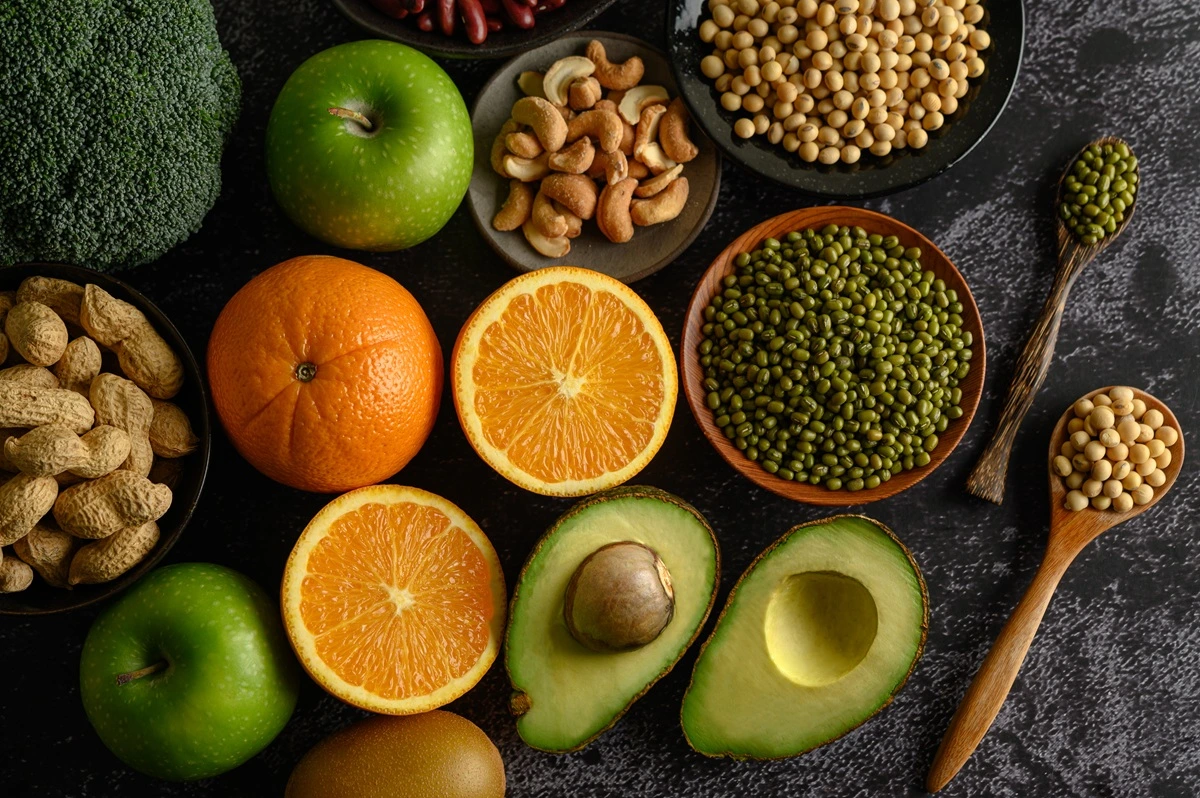
Food as Biological Support When Therapy Is Unavailable
By following this structure, individuals are effectively self-medicating with precursors.
- Folate from lentils supports serotonin production
- Magnesium from seeds helps muscles and nerves physically relax
When professional therapy is unavailable, these biological interventions help stabilize the baseline emotional state.
A Simple Weekly Grocery List for Brain Health
A practical 7-day foundation may include:
- Oats
- Green Tea
- Canned Lentils or Chickpeas
- Pumpkin Seeds
- Chia Seeds
- Frozen Berries
- Plain Yogurt or Kefir
- Canned Sardines or Tuna
- Quinoa or Brown Rice
- Black Beans
- Sweet Potatoes
- Eggs
- Spinach
- Walnuts or Almonds
- Fermented Vegetables (Sauerkraut or Kimchi)
Recipes are easy and accessible. For more health-forward meals and nutrition guidance, visit:
https://ravoke.com/recipes/
FAQ
Is nutritional psychiatry meant to replace therapy?
No. Nutritional psychiatry complements traditional mental health care by providing daily biological support when access to therapy is limited.
How quickly can dietary changes affect mental health?
Some effects, such as improved energy and reduced irritability, may appear within days, while deeper mood improvements typically occur over weeks.
Are supplements required?
No. This approach prioritizes whole, accessible foods over supplements whenever possible.
Is this approach affordable?
Yes. Many recommended foods are shelf-stable, frozen, or canned, making them cost-effective across income levels.