



RSV 2025: The Complete Guide to Symptoms, Risks, Treatment, and Prevention
What is RSV? Respiratory syncytial virus (RSV) is a highly contagious respiratory virus that infects the lungs and airways. To understand how to protect yourself, it’s important to know how

What is RSV?
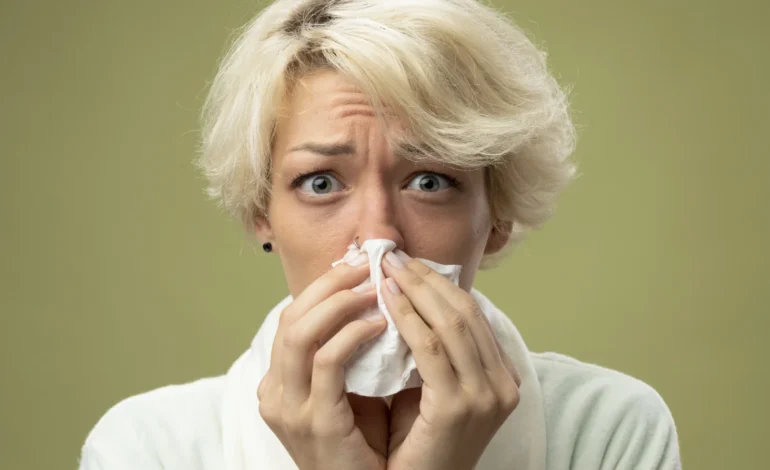
Respiratory syncytial virus (RSV) is a highly contagious respiratory virus that infects the lungs and airways. To understand how to protect yourself, it’s important to know how does RSV spread through direct contact and contaminated surfaces. While it often appears similar to a cold—causing coughing, sneezing, and a runny nose—it can become serious for certain groups:
- Infants and Young Children: Most children are infected with RSV by age 2. Severe infections can lead to bronchiolitis or pneumonia and may require hospitalization.
- Adults: Generally experience mild, cold-like symptoms, but those with chronic illnesses or weakened immune systems can develop severe illness.
- Older Adults: People over 65 are at higher risk for serious complications.
Risk Note: Premature infants are especially vulnerable. Black women, who are statistically more likely to give birth prematurely, have infants at higher risk for severe RSV.
How RSV Spreads
RSV is highly contagious and spreads through:
- Direct Contact: Touching, holding, or kissing an infected child.
- Respiratory Droplets: From coughing or sneezing.
- Contaminated Surfaces: Virus particles on objects like doorknobs or toys.
- Close Household Contact: Living with someone infected increases risk.
RSV Seasonality:
In the U.S., RSV typically circulates from late fall through early spring. Post-COVID, seasonal patterns have shifted, sometimes starting earlier or lasting longer.
Symptoms of RSV
Adults
- Persistent cough
- Runny nose and sneezing
- Fever
- Mild fatigue
- Loss of appetite
- Wheezing
Children and Infants
- Rapid, shallow breathing or difficulty breathing
- Wheezing and persistent cough
- Chest retractions (skin pulling inward with breaths)
- Poor feeding or decreased appetite
- Irritability or unusual tiredness
- Bluish skin or lips (cyanosis) in severe cases
Complications of RSV
Severe RSV can lead to:
- Bronchiolitis: Inflammation of the small airways in the lungs.
- Pneumonia: RSV is a leading cause of pneumonia in infants and high-risk adults.
- Middle Ear Infection (Otitis Media): Common in infants and young children.
- Asthma Development: Severe RSV in infancy may increase future risk of asthma or chronic wheezing.
- Repeated Infections: Reinfections are possible but typically milder.
Who is at High Risk?
- Infants under 6 months, especially those born prematurely
- Children with congenital heart disease or chronic lung conditions
- Adults and children with weakened immune systems
- Older adults aged 65+
- Individuals with ongoing heart or lung disease
- Children in daycare or with school-aged siblings
How is RSV Diagnosed?
Diagnosis can involve:
- Nasal Swab Test: Detects RSV in mucus samples
- Oxygen Saturation Monitoring: Measures oxygen levels in the blood
- Chest X-ray: Assesses for pneumonia or lower respiratory tract complications
- Blood Tests: Occasionally used to rule out other infections or assess severity
Would you like to know about: Is Bronchitis, Pneumonia, or Strep Throat Contagious?
What is the Treatment for RSV?
There is no specific antiviral for RSV. Treatment focuses on symptom management and supportive care. For high-risk infants, a key preventive measure is an RSV antibody treatment before their first season.
Home Care for Mild Cases
- Rest and hydration
- Fever and pain management with acetaminophen or ibuprofen
- Use a humidifier to ease congestion and coughing
- Saline nasal spray or drops for congestion
- Important: Avoid giving children over-the-counter cold medicine without consulting a doctor, as some ingredients may be unsafe
Severe Cases
- Hospital care may include oxygen therapy, IV fluids, and mechanical ventilation if necessary
- High-risk infants may receive monoclonal antibody treatments such as Nirsevimab or Palivizumab to prevent severe infection
Is There a Vaccine for RSV?
Preventive RSV vaccines are now available to lower the risk of severe infection:
- Pregnant People: Can receive the RSV vaccine between 32 and 36 weeks to protect the baby from birth through 6 months.
- Infants 8 Months and Younger: May receive a preventive antibody treatment before or during their first RSV season.
- Children 8–19 Months: High-risk children may receive antibody treatments during their second RSV season.
- Adults 60 and Older: FDA-approved RSV vaccines (Abrysvo and Arexvy) can help prevent severe RSV infections, especially in those with heart or lung conditions.
How Can You Prevent RSV Infection?
Effective RSV prevention relies on a combination of daily hygiene habits and proactive medical care.
- Wash hands frequently and thoroughly
- Avoid close contact with sick individuals
- Disinfect commonly touched surfaces
- Cover coughs and sneezes with tissue or elbow
- Limit exposure of high-risk infants to crowds during RSV season
- Follow medical guidance for vaccinations and antibody treatments
When to Seek Medical Care
Immediate medical attention is needed if:
- Breathing becomes difficult
- High fever persists
- Skin or lips turn blue
- Infants have poor feeding, extreme fatigue, or severe coughing
FAQ About RSV
Q1: Can adults get RSV?
Yes. Adults can contract RSV, often with mild symptoms, but older adults and those with chronic illnesses may develop severe complications.
Q2: How long does RSV last?
Most people recover in 1–2 weeks. High-risk individuals may have longer, more severe illness.
Q3: Is RSV seasonal?
Yes. RSV usually peaks from late fall to early spring in the U.S., though exact timing varies.
Q4: Can RSV be prevented?
Yes. Vaccinations and monoclonal antibody treatments for high-risk infants, pregnant people, and older adults help reduce severe illness.
Q5: Are repeated RSV infections possible?
Yes. Reinfections may occur, but symptoms are generally milder than the first infection.
Q6: What are the long-term risks of RSV?
Severe RSV in infancy may increase the likelihood of asthma or recurrent wheezing in childhood.
Q7: How can parents protect high-risk infants?
Preventive antibodies, vaccination during pregnancy, strict hygiene, and avoiding crowded places are key.