


A New Era or a Familiar Gamble? Queen Latifah Joins WeightWatchers’ Reinvention
Written by Gloria Lancer for Ravoke.com A Personal Take on a Familiar Face I’ve always had deep respect for Queen Latifah. Her presence, her voice, her style—she’s long carried herself
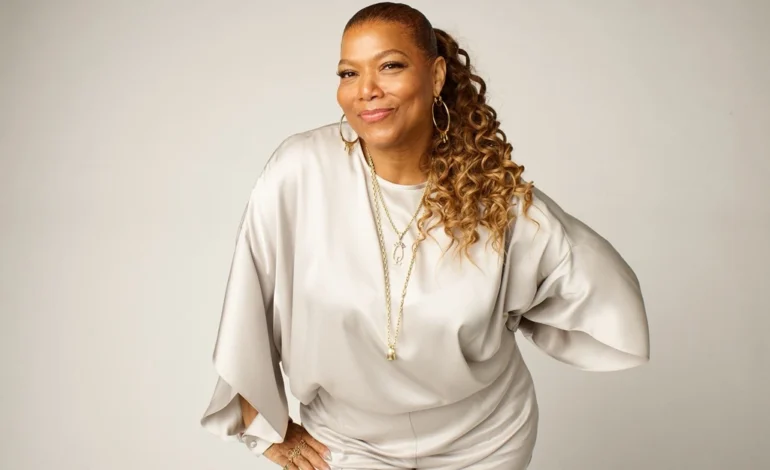

Written by Gloria Lancer for Ravoke.com
A Personal Take on a Familiar Face
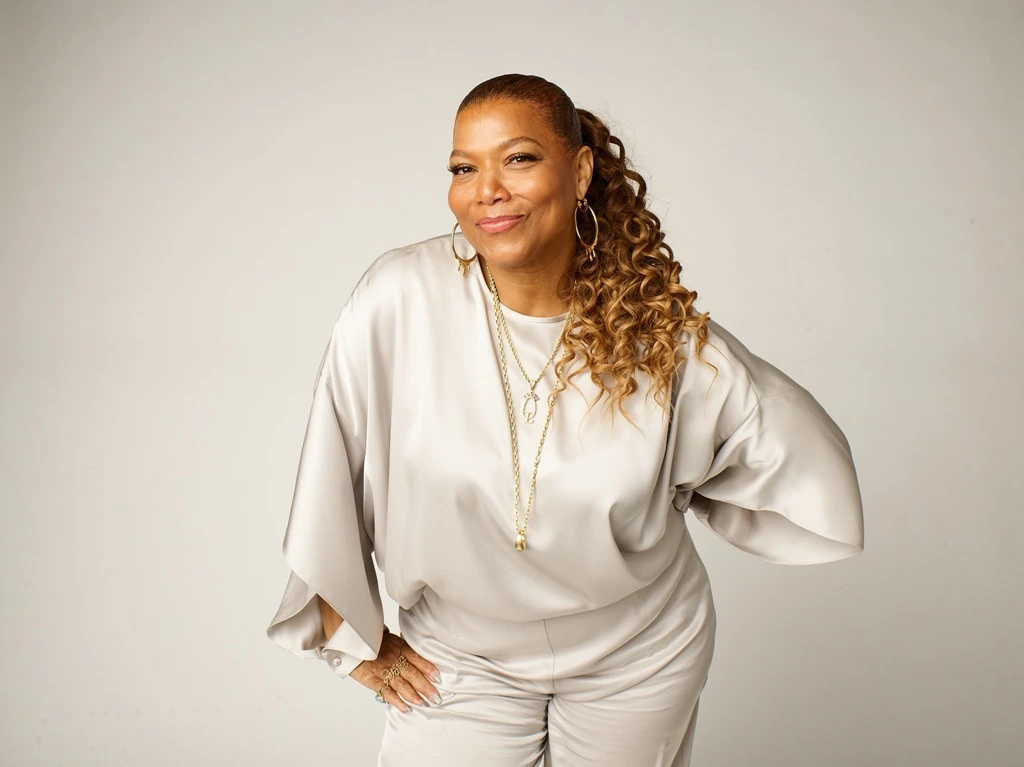
I’ve always had deep respect for Queen Latifah. Her presence, her voice, her style—she’s long carried herself with authenticity and strength. So when I saw she had partnered with WeightWatchers, I was genuinely curious.
But curiosity quickly turned into questions.
The Celebrity Playbook—Does It Still Work?
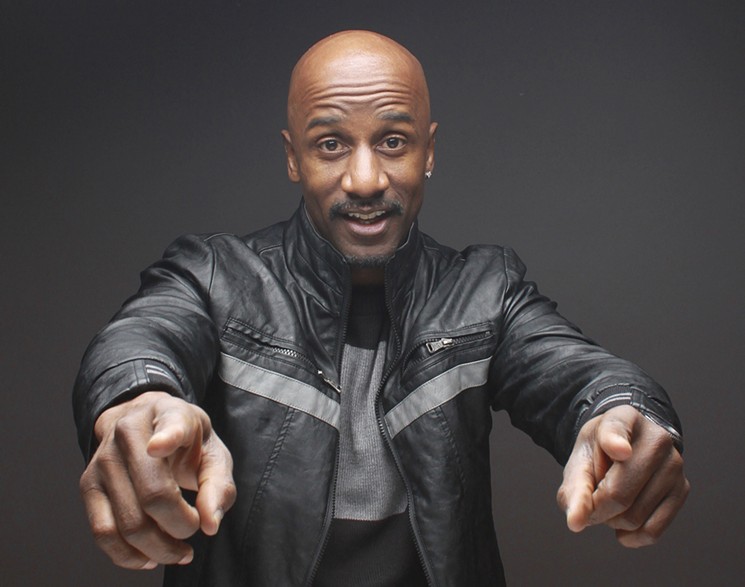
I couldn’t help but think back to when WeightWatchers teamed up with DJ Khaled. The campaign highlighted his weight-loss journey and positioned it as a success story. On paper, it checked all the boxes.
But from a public perception standpoint, it didn’t always translate clearly. If you were just scrolling through social media, it was honestly hard to see a dramatic difference. That doesn’t mean results weren’t there—it just means the visual storytelling didn’t fully connect with audiences in a convincing way.
And in today’s digital world, perception matters just as much as progress.
So naturally, I wondered: is this a refined strategy—or a repeat attempt with a new face?
Where’s the Momentum?
After hearing the news, I checked out Latifah’s social media expecting a strong rollout—photos, messaging, a visible push tied to this new campaign. Surprisingly, I didn’t see much. Maybe I missed it. Maybe it’s coming. But in today’s marketing world, silence—or even a soft launch—can feel like a missed opportunity.
And when brands invest heavily in celebrity partnerships, visibility isn’t optional—it’s the strategy.
WeightWatchers’ Bold Pivot Into Menopause Care
To their credit, WeightWatchers isn’t just refreshing its image—it’s attempting a full repositioning.
The company is now leaning into menopause care, offering services like hormone replacement therapy and access to GLP-1 weight-loss medications. It’s a significant shift for a brand that built its legacy on a points-based diet system.
Their latest campaign featuring Queen Latifah even takes a more provocative tone—ditching soft, sentimental storytelling for something more attention-grabbing and modern. It’s clear they’re trying to break away from outdated narratives around aging and women’s health.
And frankly, that part makes sense.
A Company Still Finding Its Footing
But let’s not ignore the bigger picture.
WeightWatchers has spent years trying to redefine itself—rebrands, new platforms, acquisitions, shifting messaging. At one point, even Oprah Winfrey—arguably one of the most influential endorsements imaginable—wasn’t enough to sustain long-term momentum.
Subscriber numbers have fluctuated. Competition has exploded. Free apps, social media influencers, and now prescription-based weight-loss solutions have completely reshaped the landscape.
So the real question becomes:
Is this latest move a reinvention—or a reaction?
Star Power vs. Strategy
There’s no doubt Queen Latifah brings credibility, relatability, and reach. She speaks openly about her own menopause journey, which adds authenticity to the campaign. That matters—especially in a space that’s historically been underserved.
But big-name endorsements come with big price tags. And history shows us that celebrity alone doesn’t fix foundational challenges.
At some point, the product, the experience, and the results have to carry the weight—not just the face of the campaign.
The Bigger Bet: Women’s Health
To be fair, focusing on menopause could be a smart strategic lane. It’s an area gaining attention, investment, and demand. If WeightWatchers can truly deliver a holistic, supportive, medically grounded experience, they might carve out a meaningful niche.
But it has to go deeper than marketing.
Because today’s consumer is sharper. They’re not just buying inspiration—they’re buying outcomes.
The Real Challenge: Trust in a New Category
Here’s where things get even more interesting. Moving into menopause care isn’t just a branding shift—it’s a credibility test. This isn’t simply about tracking meals or assigning points anymore. It’s about medical trust, education, and delivering real, measurable health outcomes.
When a legacy brand like WeightWatchers steps into a space that intersects with clinical care, expectations change overnight. Consumers will want to know: Who are the doctors? How personalized is the treatment? Are these programs truly tailored, or just repackaged versions of existing systems?
And let’s be honest—today’s audience does their homework. They read reviews, compare platforms, and aren’t afraid to question motives. Especially when prescriptions like GLP-1 medications are involved, people want transparency, not just marketing.
What Are Users Actually Saying?
Early chatter across social media and forums paints a mixed picture. Some longtime members of WeightWatchers seem cautiously optimistic, women entering midlife who feel overlooked by traditional fitness and diet programs. The idea of combining community support with medical access is appealing—and for some, long overdue.
Others, however, are more skeptical.
There’s a growing sentiment that the brand may be chasing trends rather than leading with clarity. Some users have questioned whether adding GLP-1 medications and menopause care feels cohesive or simply reactive to what’s currently popular in the health space. A few longtime members have even expressed confusion about what the program now stands for—is it still a structured weight-loss system, or something entirely different?
And then there’s the pricing conversation. Anytime medical services enter the mix, users start asking tougher questions about value. Are they paying for meaningful support—or just a rebranded experience with added costs?
Can Nostalgia Carry the Brand Forward?
There’s also the nostalgia factor. For decades, WeightWatchers was the name in weight loss. It built communities, routines, and a sense of accountability long before apps existed.
But nostalgia doesn’t always convert to modern loyalty.
Younger audiences, and even many midlife consumers, are now used to personalization at scale—apps that adapt instantly, programs that feel tailored, and influencers who share raw, unfiltered journeys in real time. That’s a very different expectation than weekly meetings and point tracking.
So the challenge becomes: can WeightWatchers evolve fast enough without losing the identity that made it recognizable in the first place?
Watching What Happens Next
This is what makes the Queen Latifah partnership so intriguing. It’s not just about a spokesperson—it’s about signaling a new direction. A more modern, more inclusive, more medically integrated approach.
But signaling and succeeding are two very different things.
If this rollout gains traction—if women connect with the messaging, trust the platform, and see real results—then this could mark a meaningful turning point. If not, it risks becoming another well-funded campaign that fades faster than expected.
Final Thoughts
I respect the move. I respect Queen Latifah. And I understand the direction.
But I also can’t ignore the pattern.
Big partnerships. Big messaging shifts. Big spending.
The real test? What happens next?
Will this be the moment WeightWatchers finally finds its place in a rapidly changing health landscape—or just another chapter in a long series of reinventions?
We’re about to find out.