
The Plus-Size Conversation We Still Aren’t Having
And Why It Matters Now More Than Ever Written by Charles Mattocks for Ravoke.com A few years ago, right in the middle of the pandemic, I had what felt like

And Why It Matters Now More Than Ever
Written by Charles Mattocks for Ravoke.com
A few years ago, right in the middle of the pandemic, I had what felt like a simple idea at the time: create a talk show for the plus-size community.
The world was shut down. Studios were closed. Life had slowed to a crawl. So I did what many of us did during that moment — I researched. And what I discovered genuinely caught me off guard.
I had no idea how massive this space truly was.
The numbers. The loyalty. The influence. The sheer size of the audience. Not because I ever dismissed the plus-size community — it just wasn’t something I had deeply explored before. And sometimes, if you’re not living inside a community, you don’t fully see it.
That realization alone was humbling.
Finding Voices That Were Long Overdue
As I dug deeper, I realized this wasn’t just a fashion conversation — it was cultural, emotional, and deeply personal for millions of people.
I brought together an incredible group of voices.
Kelvin Davis, who is well respected in the space and now the author of Be a Good Man, Not a Nice Guy, joined the show. Lorna Baez, a well-known plus-size model and actress, came on board as well. Alongside them were three women and one man — and I can honestly say, the chemistry was undeniable.
It felt real. It felt necessary.
The vision was to create something along the lines of The View or The Real, but built for people who rarely see themselves centered in mainstream media. Conversations about relationships, fitness, dating, mental health, fashion, and life — without filters or forced narratives.
A place where millions could tune in and finally feel seen.
We shot a few shows, and momentum was building. Then COVID reality hit hard. Without access to a proper set, the project stalled.
But the questions it raised never left me.
The Industry Is Cashing In — But Where’s the Commitment?
Here’s the part that truly shocked me.
The U.S. women’s plus-size clothing market alone is projected to grow from roughly $107 billion in 2024 to more than $151 billion by 2033. That’s not a niche. That’s not an “alternative.” That’s a dominant consumer force.
Yet when I looked around, the marketing didn’t reflect the revenue.
Yes, there are influencers. Yes, there are Instagram models with massive followings. But what I didn’t see were meaningful platforms, long-term programs, or consistent media voices dedicated to the everyday plus-size experience.
It felt like the industry was more than happy to take the money — without truly standing with the people behind it.
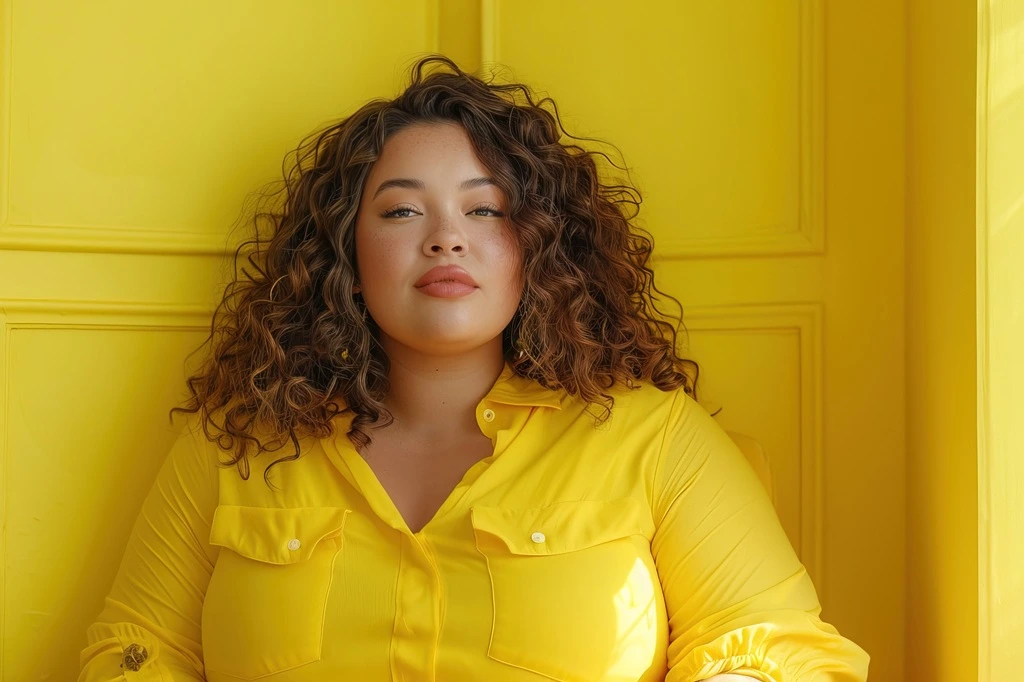
The Illusion of Plus-Size Representation
Even when plus-size models are included, the representation often tells only one story.
While models may vary in size, their bodies tend to look strikingly similar. Small waists. Full hips. Larger busts. Long limbs. Sharp jawlines. Very little visible softness.
How often do we see plus-size models with flat chests? With hip dips? With no defined waist? With double chins, rounded arms, fuller thighs, or stomach rolls?
Rarely.
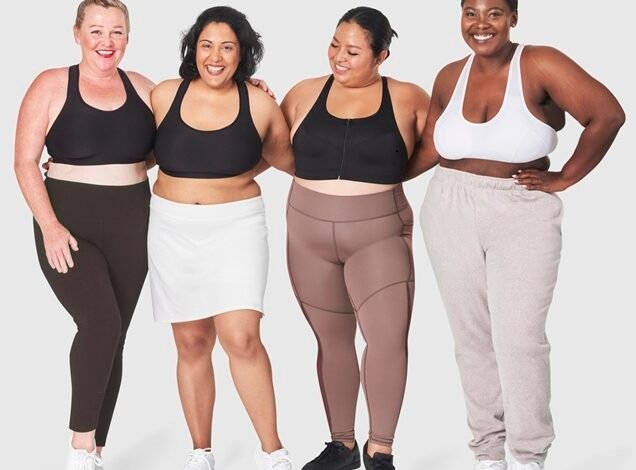
Despite a few exceptions, the most visible plus-size models still fit a very narrow definition of beauty. And for most plus-size women, that image is simply not realistic.
In reality, bodies don’t come in one approved silhouette. Plus-size women are apple-shaped, pear-shaped, rectangle-shaped. They have square hips, soft midsections, rounded arms, fuller faces. The bodies we see celebrated in fashion don’t reflect the bodies most women actually live in.
When Body Positivity Becomes Another Standard
Is this a big deal?
Some argue that models — regardless of size — are meant to represent fantasy. They sell aspiration. Beauty sells products. And in plus-size fashion, hourglass and pear-shaped bodies are seen as the most “commercially viable.”
But that logic comes at a cost.
In many ways, plus-size modeling and the body positivity movement have always been linked. Without body positivity, there would have been no push for representation at all. But if plus-size models must still meet restrictive, near-perfect standards to succeed, then it’s fair to question how inclusive the industry really is.
The same beauty ideals that have plagued women for generations haven’t disappeared — they’ve just been resized.
Hourglass remains the goal, whether you’re a size 2 or a size 16. Apple-shaped bodies, rectangular frames, and women without dramatic curves are still largely invisible.
Teaching Women to Fix Themselves
Society continues to tell women how to “dress for their body type,” as if their bodies are problems to be solved.
Use belts to fake an hourglass.
Avoid stripes.
Hide your “bad” parts.
Accentuate your “good” ones.
In short: try to look like someone else.
This kind of thinking is deeply damaging. It tells women that their natural shape is wrong — something to disguise, shrink, or surgically alter. It fuels endless dieting, cosmetic procedures, and self-criticism.
As long as women feel pressured to fit these molds, true body positivity remains unfinished business.
The Body Positivity Backslide
Just when it felt like progress was being made, the culture shifted again.
The return of 90s fashion. “Heroin chic.” Wellness culture that quietly idolizes thinness. The rise of weight-loss injections like Ozempic. Political backlash against diversity initiatives.
And beneath it all, fatphobia — never gone, just dormant.
Even public figures like Lizzo, once celebrated for embracing curves, now appear in slimmer forms. And while that choice should be fully respected — we don’t know her health journey — it also reflects a broader cultural shift happening in real time.
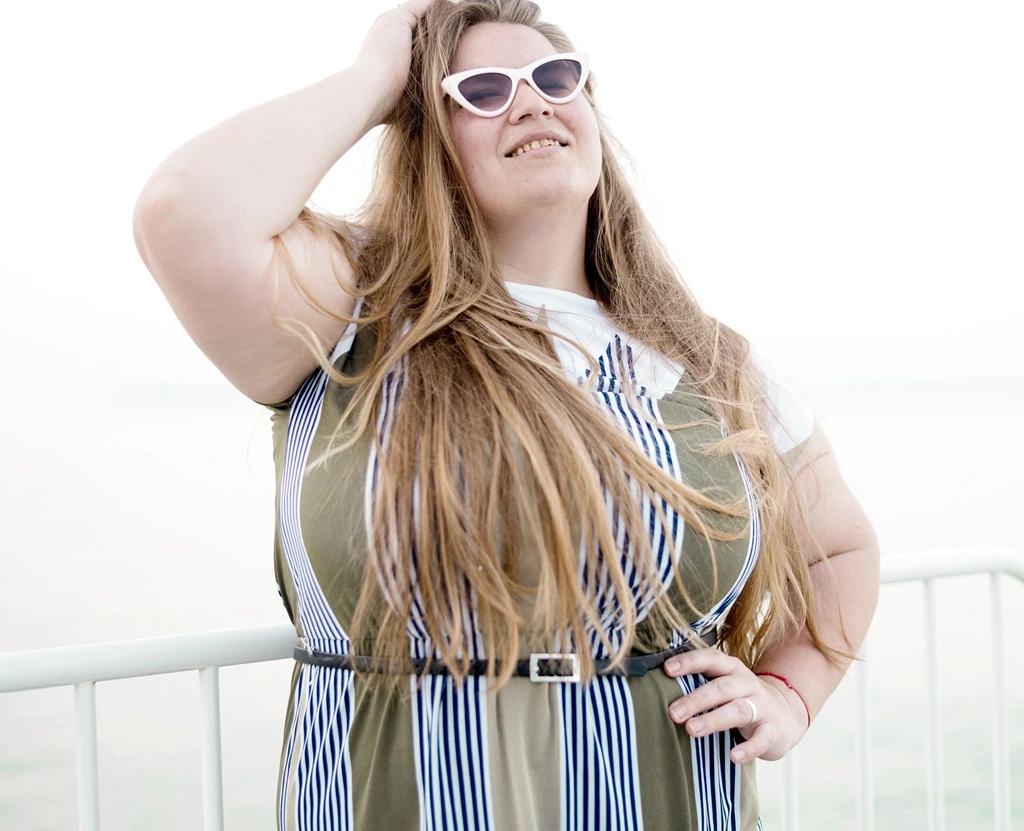
Runways Don’t Lie
The numbers tell a sobering story.
Out of 8,703 looks across nearly 200 recent fall/winter fashion shows, only 0.3% featured plus-size models, and just 2% were midsize. Spring and summer collections weren’t much better.
Tagwalk reported a 16% drop in fashion houses using even one curve model. By late 2023, British Vogue noted that less than 1% of models in major collections were plus-sized.
What’s more concerning? Models who are already thin appear to be getting even thinner.
And when TikTok and Pinterest recycle these images endlessly, young people absorb them — often without realizing the damage being done.
Attraction, Fetishization, and Reality
Let’s be honest.
Many plus-size women are stunningly beautiful — just as women of every size are. Many men genuinely prefer fuller bodies. Attraction is personal, and it’s time we normalized that.
But there’s a difference between attraction and fetishization.
As Renee, a plus-size woman, put it:
“We can usually tell when someone is genuinely attracted to us versus when it crosses into fetishization.”
This happens most often to people who fall outside traditional beauty standards — particularly in heterosexual dating spaces. Interestingly, many say this behavior is far less common in queer communities.
There’s also the emotional toll of conditioning. When society tells you long enough that you’re undesirable, you start questioning genuine interest — even when it’s right in front of you.
Health, Honesty, and Moving Forward
The only legitimate concern that must be discussed honestly is health.
There is a medical definition of obesity, and excessive weight can contribute to serious health issues — from cardiovascular strain to diabetes and joint problems. That reality exists.
But health is personal. It’s genetic. It’s nuanced. It’s about balance, longevity, and informed choice — not shame or social pressure.
What Comes Next
We’re working on a new talk show — smaller for now, but intentional. Getting it up and running in our new studio could be game-changing.
This community deserves more than trends and tokenism. It deserves real conversations, real representation, and real support.
There is still so much left to explore.
And this time, we’re not letting the conversation fade.
For more information on the series or to be a host or guests visit, send us an email. https://ravoke.com/