

Parasite Cleanses: Trendy Fix or Potential Health Risk?
By Gloria Lancer for Ravoke.com The rise of a viral gut health trend Scroll through platforms like TikTok or Instagram and you’ll quickly find wellness influencers promoting “parasite cleanses” as

By Gloria Lancer for Ravoke.com
The rise of a viral gut health trend
Scroll through platforms like TikTok or Instagram and you’ll quickly find wellness influencers promoting “parasite cleanses” as a cure-all for bloating, fatigue, and digestive discomfort. The idea is simple: eliminate hidden parasites, and your gut—and overall health—will improve.
But while the concept is gaining traction online, medical experts say the reality is far more complicated—and far less convincing.
What a parasite cleanse actually involves
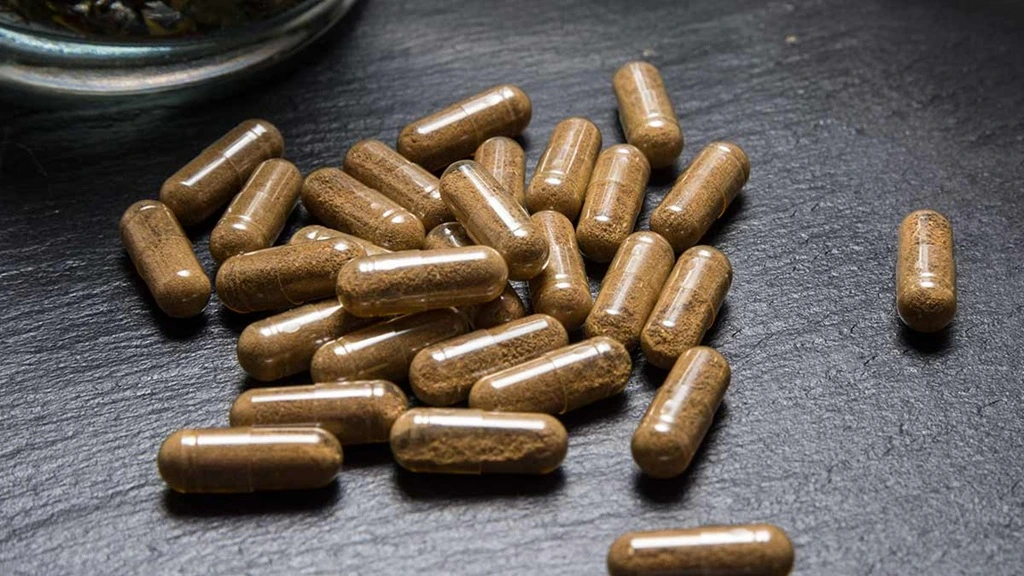
A parasite cleanse, sometimes called a detox, is typically a combination of restrictive dieting and herbal supplements designed to “flush out” unwanted organisms from the digestive system.
These regimens often include:
- Specific foods like garlic, turmeric, and apple cider vinegar
- Eliminating sugar, alcohol, and processed foods
- Herbal ingredients such as wormwood, black walnut, and papaya seeds
Programs can last anywhere from a few days to several weeks, often following strict routines provided in supplement kits.
Despite their popularity, there’s no solid scientific evidence showing that these cleanses effectively remove parasites or improve gut health.
Understanding real parasitic infections
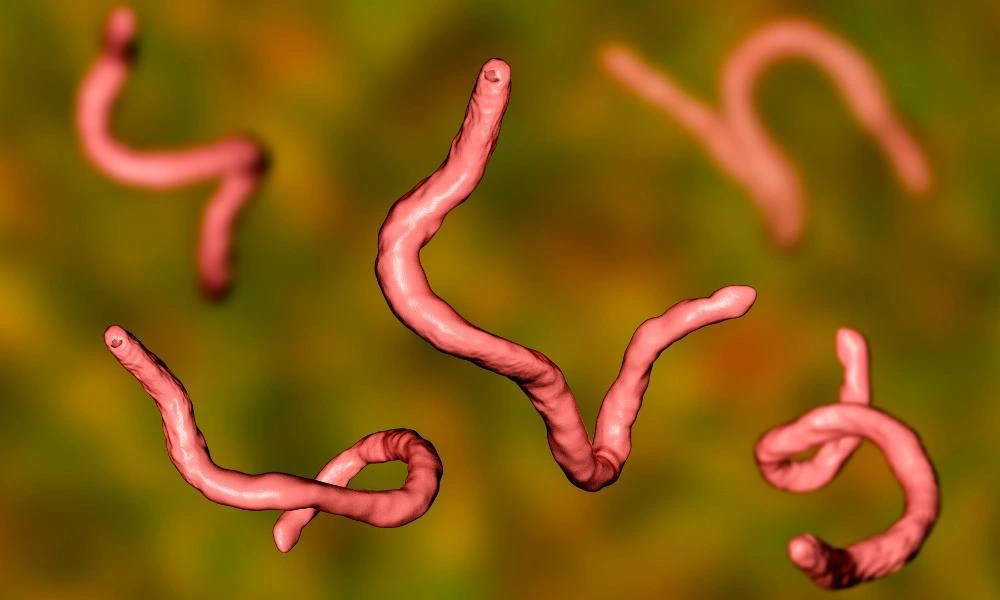
Parasitism refers to organisms living in or on a host while drawing nutrients at the host’s expense. In humans, parasites can sometimes cause illness—but these infections are relatively uncommon in developed countries like the United States.
When they do occur, they are usually linked to contaminated food, water, or travel to certain regions. Proper diagnosis typically requires lab testing, such as stool analysis, before any treatment begins.
If a parasite is confirmed, doctors prescribe targeted medications designed to eliminate the infection safely and effectively.
Why the trend is so appealing
Digestive issues like bloating, gas, and irregular bowel movements are extremely common. Because these symptoms can be frustrating and persistent, many people look for quick, natural solutions—especially when answers aren’t immediately clear.
Social media has amplified the idea that hidden parasites may be behind these symptoms. However, in most cases, digestive discomfort is more likely linked to conditions such as Irritable bowel syndrome, food sensitivities, or diet-related factors—not паразitic infections.
Turning to a cleanse without proper diagnosis can delay effective treatment and overlook the real cause of symptoms.
Are parasite cleanses safe?
Just because a product is labeled “natural” doesn’t mean it’s harmless. Supplements used in these cleanses are not strictly regulated by the U.S. Food and Drug Administration, which means their safety and quality can vary widely.
Potential risks include:
- Dehydration from diarrhea or laxative effects
- Nutrient deficiencies from restrictive diets
- Interactions with medications
- Worsening digestive symptoms like cramping and nausea
Some herbal ingredients may even be toxic in certain forms or doses. Without proper oversight, it’s difficult to know how these products will affect the body.
When to seek medical advice
Although parasite infections are uncommon, they can happen—and they require proper medical care.
Warning signs that should prompt a doctor’s visit include:
- Persistent diarrhea lasting several days
- Unexplained weight loss
- Blood in stool
- Ongoing fatigue
- Fever combined with digestive symptoms
Healthcare providers can run appropriate tests and determine whether a parasite—or another condition—is responsible.
Better ways to support gut health
If you’re dealing with digestive discomfort, there are safer, evidence-based approaches to consider:
- Eating fiber-rich foods like fruits, vegetables, and whole grains
- Incorporating probiotic foods such as yogurt or kefir
- Staying well hydrated
- Tracking food intake to identify triggers
- Managing stress, which can directly affect digestion
These strategies support the gut microbiome—the community of beneficial bacteria that plays a key role in digestion and overall health.
Extending the conversation: separating wellness trends from medical reality
The popularity of parasite cleanses highlights a broader trend in modern wellness culture: the search for simple explanations to complex health issues. Digestive symptoms, in particular, are often influenced by multiple factors—including diet, stress, sleep, and underlying medical conditions. Reducing them to a single cause, like parasites, can be misleading.
Another issue is the powerful influence of anecdotal evidence. Social media is filled with personal stories claiming dramatic results from cleanses. While these experiences may feel convincing, they are not the same as controlled scientific studies. Improvements people notice may be due to dietary changes, placebo effects, or natural symptom fluctuations rather than the cleanse itself.
There’s also a psychological component. Taking action—especially through a structured program—can create a sense of control over one’s health. For individuals dealing with chronic or unexplained symptoms, that sense of agency can be appealing. However, it’s important that actions are grounded in safe and effective practices.
Medical professionals emphasize that real progress in gut health often comes from consistent, sustainable habits rather than short-term detoxes. Balanced nutrition, regular medical care, and personalized treatment plans tend to produce better long-term outcomes than restrictive cleanses.
As interest in gut health continues to grow, so does the need for accurate information. While curiosity about new health approaches is natural, it’s essential to separate evidence-based guidance from online hype. Doing so not only protects your health but also helps you make more informed decisions about your body.
Taking a smarter, long-term approach to gut health
While quick-fix solutions like parasite cleanses may seem appealing, experts emphasize that digestive health is best improved through steady, sustainable habits rather than short-term extremes. The gut is a complex system influenced by diet, lifestyle, and even mental health, meaning there is rarely a one-size-fits-all solution.
One important factor often overlooked is consistency. Making gradual, lasting changes—such as increasing fiber intake, eating a wider variety of whole foods, and maintaining regular meal patterns—can have a far greater impact than a temporary cleanse. These habits help nourish beneficial gut bacteria and support long-term digestive balance.
Sleep is another key component. Poor sleep has been linked to disruptions in the gut microbiome, which can contribute to bloating, irregular digestion, and inflammation. Prioritizing quality rest can play a surprisingly important role in improving gut function.
It’s also worth noting the connection between mental health and digestion. The gut and brain are closely linked through what scientists call the Gut-brain axis. Stress, anxiety, and emotional strain can all trigger or worsen digestive symptoms. Incorporating stress-management techniques—such as exercise, mindfulness, or relaxation practices—can lead to noticeable improvements.
Hydration is equally essential. Drinking enough water supports digestion by helping break down food and move it efficiently through the gastrointestinal tract. Even mild dehydration can contribute to constipation and discomfort.
For those experiencing persistent or severe symptoms, working with a healthcare provider remains the most reliable path forward. A professional can evaluate your symptoms, recommend appropriate testing, and develop a personalized plan tailored to your needs. This approach not only addresses current issues but also helps prevent future complications.
In the end, while trends may come and go, the fundamentals of good health remain the same: balanced nutrition, informed choices, and evidence-based care.
References
- U.S. Food and Drug Administration – Dietary supplement regulation and safety information.
- Centers for Disease Control and Prevention – Parasites and parasitic infections overview.
- National Institutes of Health – Research on gut health, supplements, and digestive conditions.
- World Health Organization – Global data on parasitic infections and prevention.
- Peer-reviewed research on digestive health, microbiome science, and dietary interventions published in medical journals.