





The GLP-1 Era: Pills, Personalization, and the Gut-Brain Frontier
The pharmaceutical landscape is entering a new phase of the GLP-1 era. As oral versions of GLP-1 medications—like Rybelsus and the newer Orforglipron—move into the spotlight, the “miracle drug” conversation
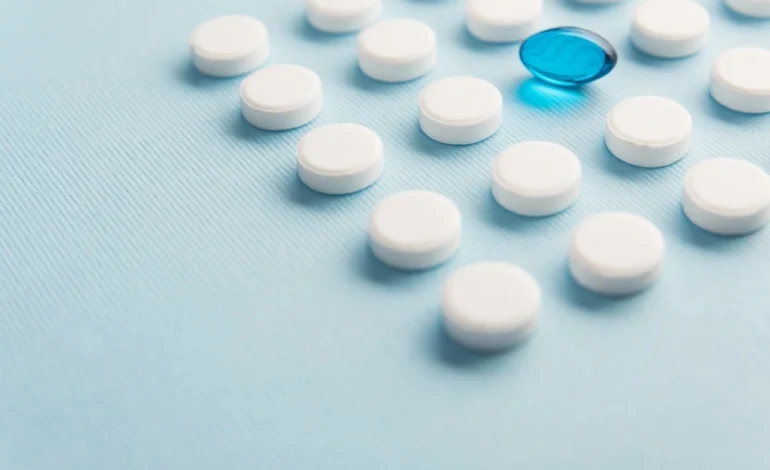

The pharmaceutical landscape is entering a new phase of the GLP-1 era. As oral versions of GLP-1 medications—like Rybelsus and the newer Orforglipron—move into the spotlight, the “miracle drug” conversation is shifting from weekly injections to daily tablets. What sounds like a simple change in delivery method is actually a fundamental shift in the biological journey itself.
This is not just about weight loss or appetite suppression. It is about how the body responds, adapts, resists, and sometimes conflicts with these medications as a person moves through their healthcare journey. To understand that, we have to start inside the body.
The First 30 Days: What Happens Inside Your Body
When you swallow a GLP-1 pill, your body begins a rapid recalibration. Unlike an injection that slowly releases medication into fat tissue, a pill must first survive the acidic environment of the stomach before it can reach its target.
In the first week, the process begins quietly. Within hours, the medication starts mimicking the hormone naturally released by L-cells in the ileum. This “incretin mimicry” signals the pancreas to release insulin only when glucose is present, while also telling the liver to stop producing unnecessary sugar. The groundwork is being laid.
By days seven to fourteen, the experience becomes far more noticeable. This is when gastric emptying slows—the rate at which food leaves the stomach decreases. While this slowdown helps people feel full longer, it is also when nausea and bloating tend to peak. The digestive tract is adjusting to a new, slower rhythm, and for many, this transition is uncomfortable.
By the third and fourth weeks, another shift occurs. The medication begins consistently crossing the blood-brain barrier to interact with the hypothalamus. This is when many patients report the fading of “food noise”—the intrusive, obsessive thoughts about eating, cravings, and constant mental negotiation around meals. For some, this moment feels life-changing.
For others, it doesn’t happen at all.
The Great Variance: Why GLP-1 Pills Don’t Work the Same for Everyone
Not everyone experiences the same outcome. While some see rapid weight loss and appetite control, others—often referred to as “non-responders”—see little to no change. Science points to several reasons for this variance.
Oral GLP-1 medications require an extremely specific absorption environment: an empty stomach and exactly four ounces of water. Even slight changes in stomach acidity can significantly reduce bioavailability. If the medication never fully absorbs, the signal never fully arrives.
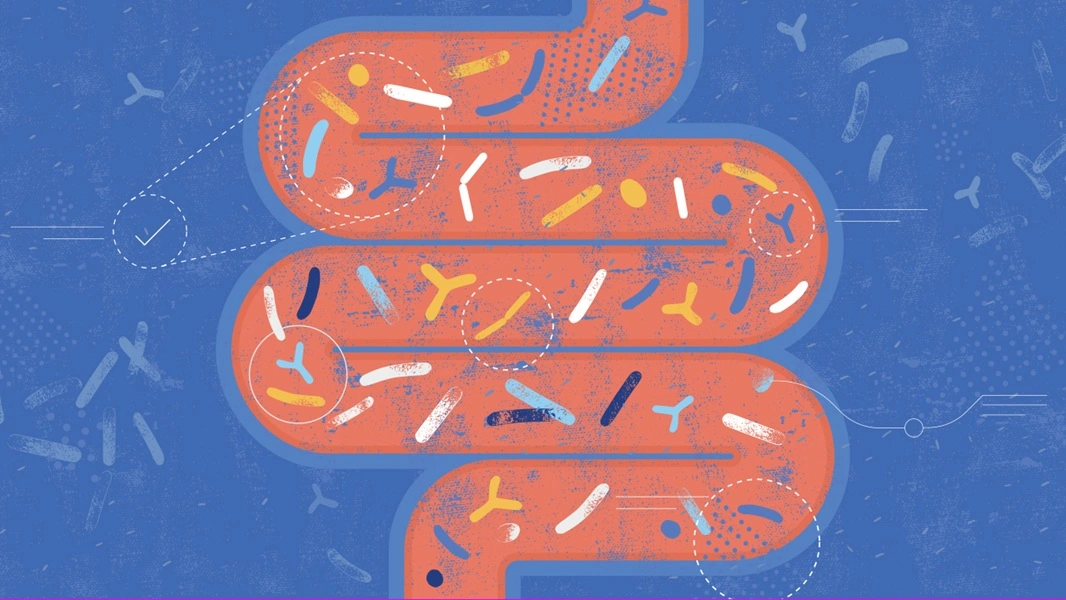
The gut microbiome also plays a role. A diverse microbiome rich in Bacteroidetes may enhance response, while one damaged by chronic inflammation or long-term medication use may struggle to cooperate.
Then there is genetics. Just as people tolerate caffeine differently, GLP-1 receptor density varies from person to person. The signal may be strong—but if the receptors are sparse or dulled, the message is weakened.
Yet even these explanations don’t tell the whole story.
Perspective: The Long-Term Gut Debt
This is where the conversation usually stops—but where it should actually begin.
The mainstream “miracle” narrative around GLP-1s often ignores the foundational state of the gut. For those with a history of long-term Proton Pump Inhibitor (PPI) use, gallbladder removal, or bile acid malabsorption, the digestive system is not neutral ground. It is already altered.
Years of PPI use fundamentally change the stomach environment. Acid is suppressed, not only affecting digestion but disrupting the signaling pathways that trigger natural GLP-1 release. Over time, this suppression can lead to Small Intestinal Bacterial Overgrowth (SIBO) and poor fat digestion.
For many long-term GERD sufferers, the story continues with gallbladder removal. Without a gallbladder, bile—one of the key stimulators of natural GLP-1—drips continuously into the gut instead of being released in controlled bursts. This leads to Bile Acid Malabsorption (BAM), chronic inflammation, and rapid intestinal transit.
Now the conflict becomes clear.
Introducing a GLP-1 pill, which slows the gut, into a system already struggling with BAM, which speeds the gut up, creates a biological tug-of-war. The medication is trying to apply the brakes while the anatomy is stuck pressing the accelerator.
Why the Satiety Signals Fail
To understand why coming off Pantaloc became a “gut-saver,” you have to understand what stomach acid actually does. Acid is not the enemy—it is the starter pistol for satiety.
PPIs cause a dramatic spike in gastrin. This hormonal feedback loop can interfere with insulin and glucose signaling, creating false hunger cues even when the body doesn’t need fuel.
Low acid also means fats are not properly broken down. This blunts the release of cholecystokinin (CCK), the hormone responsible for signaling fullness. Without proper CCK release, gallbladder contraction becomes ineffective, contributing to sludge, stones, and eventually surgery.
At the same time, suppressing acid manually mutes the vagal nerve—the critical communication line between the gut and the brain. The natural “stop” signal becomes harder to hear.
The result is a body that is eating, digesting, and signaling—but not communicating clearly.
Reclaiming Gut Health: Clearing the Line
The journey from PPIs to gallbladder removal to BAM exposes a major oversight in modern GI care.
In the PPI stage, motility becomes lazy.
In the surgery stage, bile regulation is lost.
In the BAM stage, rapid transit prevents food from properly stimulating L-cells to produce natural GLP-1.
When PPIs are discontinued, the system begins to reset. The stomach returns to its natural acidic state. Nutrients break down properly again. Remaining digestive enzymes can finally function. Vagal signaling reconnects, allowing the brain to recognize real hunger and real fullness.
In this context, a GLP-1 pill is often trying to force a signal the body was already attempting to send—but couldn’t, because the communication lines were down.
Real healing isn’t always about the next miracle pill. Sometimes it’s about clearing the line so the body can finally speak for itself.
The Bigger Lesson of the GLP-1 Era
As we move deeper into this new frontier of metabolic medicine, one truth becomes unavoidable: we cannot treat the brain’s hunger without first addressing the gut’s health.
For those caught in cycles of long-term medication and surgical intervention, the answer may not be found in the next prescription. It may be found in restoring the biological baseline that was disrupted along the way.
By understanding the gut debt we carry, we can stop the tug-of-war between our medications and our anatomy. True wellness isn’t just about silencing food noise—it’s about repairing the internal communication system so the body and brain can finally speak the same language again.
Matt “Canada” Brown
Founder, CEO & Chief Philanthropic Advocate and Educator