

Miller Kerr: Dancing Through the Fire of CRPS to Find Strength, Purpose, and Hope
By Charles Mattocks for Ravoke.com The Moment That Changed Everything I was only 10 years old when my life took a turn I never could have imagined. In November 2013,

By Charles Mattocks for Ravoke.com
The Moment That Changed Everything
I was only 10 years old when my life took a turn I never could have imagined.
In November 2013, during a casual basketball game at recess, everything shifted in an instant. I was kneed during play and collapsed to the ground, overwhelmed by a level of pain I had never experienced before. At the time, it seemed like an injury that would heal with rest. But it didn’t.
Days turned into weeks, and weeks into months. The pain didn’t fade—it intensified. What started as discomfort became something constant, something consuming. Walking became difficult, then nearly impossible.
A Pain No One Could Explain
My family and I searched desperately for answers. We visited doctor after doctor across Dallas, hoping someone could explain why my leg wasn’t healing.
Some told us it was just a deep bruise that needed time. Others admitted they didn’t know what was wrong. And some didn’t believe the severity of what I was feeling at all.
With each appointment, we left with more questions than answers—and less hope.
Meanwhile, my condition worsened. The pain spread throughout my right leg. I couldn’t tolerate even the slightest touch. I couldn’t put weight on it. I couldn’t bend it.
It felt like my leg was on fire, as if thousands of nails were piercing through it at once.
Eventually, we received a diagnosis: Complex Regional Pain Syndrome (CRPS), a neurological condition known for causing severe, chronic pain, often disproportionate to the original injury. Beyond the physical pain, CRPS impacts mobility, sleep, mental health, and daily life.
A Mother’s Determination and a Lifeline
After the diagnosis, my family was referred to the Cleveland Clinic, home to one of the only pediatric programs in the country specializing in CRPS.
I was younger than most patients they typically accepted—but my mom refused to give up. She advocated tirelessly, calling and pushing for an opportunity that she believed could change my life.
Her determination paid off.
In the spring of 2014, I was admitted into the Pediatric Pain Rehabilitation Program for six intense weeks.
Each day was structured and demanding. My treatment included physical therapy, occupational therapy, aquatic therapy, yoga, meditation, and psychological support through individual, group, and family sessions. There was also time dedicated to schoolwork, ensuring I stayed connected to my education while rebuilding my life.
It was one of the hardest things I’ve ever done—but also the most transformative.

Dance: The Unexpected Beginning
In the middle of this difficult journey, something unexpected happened.
As part of occupational therapy, I was introduced to a dance video game. What seemed like a small activity became a turning point. It sparked something inside me—a sense of joy, movement, and possibility that I hadn’t felt in months.
That moment became the beginning of my dance journey.
Dance gave me an outlet—not just physically, but emotionally. It allowed me to escape the constant pain and reconnect with my body in a new way. It became my coping mechanism, my therapy, and eventually, my passion.
Learning to Live, Not Just Survive
Although the program helped me regain the ability to walk, CRPS didn’t disappear. It’s something I continue to live with every day.
Some days, I can manage the pain. Other days, it takes over completely, leaving me unable to stand or even get out of bed.
But the program taught me something invaluable: how to cope. How to push forward. How to live—not just survive—with chronic pain.
From Patient to Performer
What once felt impossible became reality through determination and resilience.
I returned to dance and fully embraced it. I became Captain of the Jesuit Rangerettes at Ursuline Academy of Dallas, leading my high school team with pride.
I then continued my journey at Kilgore College, where I earned the role of Captain of the world-famous Kilgore College Rangerettes—a prestigious drill team recognized nationally and known for performing at events like the Macy’s Thanksgiving Day Parade in New York City.
Dance, once a form of therapy, became the center of my life.
A Voice Beyond the Stage
Today, I am a Chancellor Scholar at Texas Christian University, studying Communication Studies with a minor in Journalism.
I report for TCU360 and serve as an anchor for The Leap, sharing stories that inform and connect the community. My passion for storytelling has also taken me beyond campus, with internships at KFDA News Channel 10, Fox & Friends, The Will Cain Show, and Mornings with Maria.
Storytelling allows me to give a voice to experiences—like mine—that deserve to be heard.
Building Burning Hope
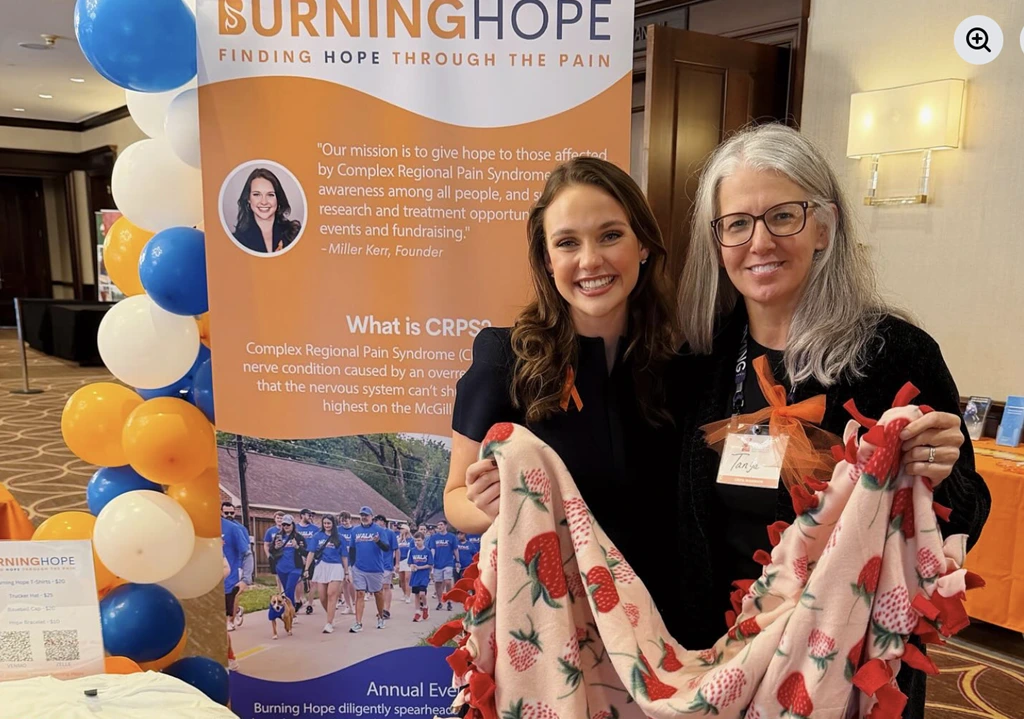
My journey with CRPS inspired me to create Burning Hope, a nonprofit organization dedicated to raising awareness, supporting patients, and advancing research for CRPS.
Through this work, I aim to give others something I once needed: hope.
In June 2023, I returned to the very program that helped me walk again. This time, I came not as a patient, but as someone determined to give back.
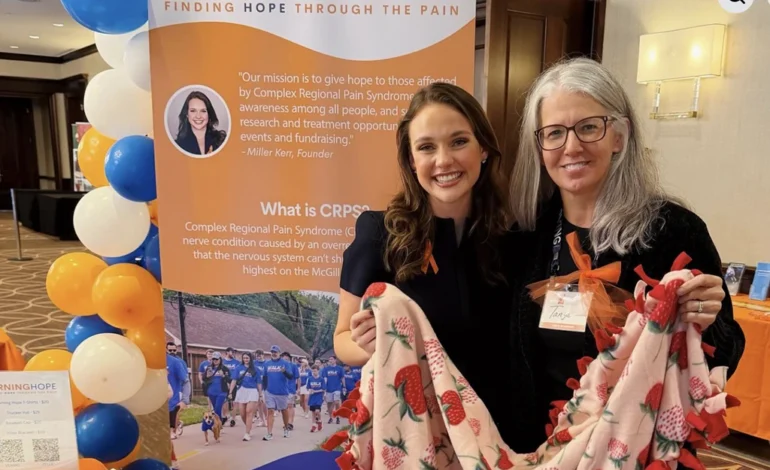
Through The Blanket Project, we created and donated 200 fleece blankets to children currently undergoing treatment.
When I was in the program, I received a blanket that brought me comfort during one of the hardest times in my life. It reminded me that I wasn’t alone. I wanted to pass that feeling on to others.
I also had the opportunity to speak directly with patients, sharing my journey and showing them what is possible.
Advocacy and Impact
Beyond nonprofit work, I’ve partnered with attorney Bryan Pope, a dedicated advocate for individuals living with CRPS. Together, we support efforts like CRPS Law Firm, helping ensure patients have access to the legal resources they may need.
Advocacy has become a vital part of my mission—because awareness leads to understanding, and understanding leads to change.
Strength Through the Struggle
Living with CRPS has been the greatest challenge of my life—but also the most defining.
It forced me to fight for a future I wasn’t sure I would have. It pushed me to discover strength I didn’t know existed. And it gave me a purpose far greater than myself.
I still live with pain nearly every day. But I also live with passion, drive, and gratitude.
A Story Still Being Written
If there’s one thing my journey has taught me, it’s that pain does not define you—what you do with it does.
Through dance, storytelling, and advocacy, I’ve found a way to turn pain into purpose.
And this is only the beginning.
A Story That Continues on Screen
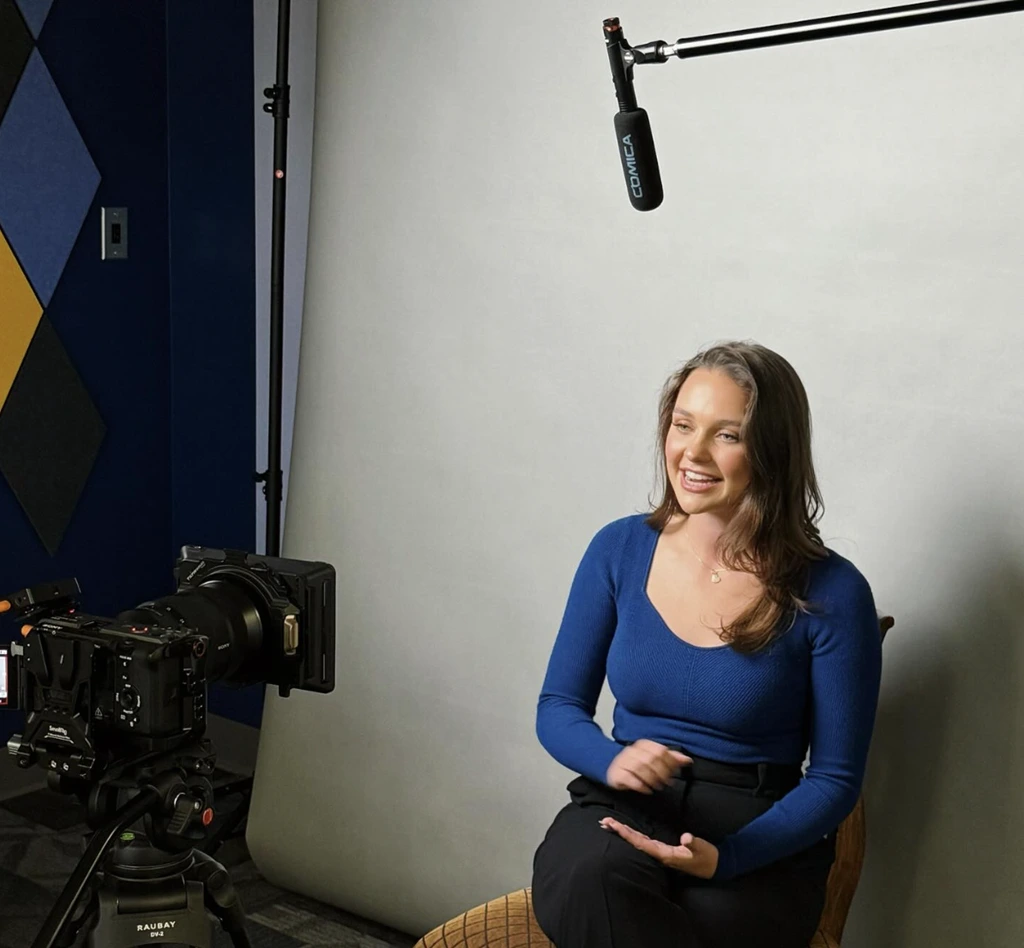
Miller’s journey is now reaching audiences in film. She will be featured in the upcoming documentary Trial by Fire 2, which focuses on Complex Regional Pain Syndrome.
The film is directed by Charles Mattocks, an award-winning filmmaker whose mother lives with CRPS and is the sister of legendary reggae icon Bob Marley.
Through powerful personal stories like Miller’s, the documentary aims to raise awareness, inspire hope, and continue the fight for better understanding of this debilitating condition.
You can watch the original film here:
https://ravoke.com/trial-by-fire/
For more information on Miller visit: https://www.burninghope.org
For more information on lawyer Bryan Pope visit: https://www.crpslawfirm.com
Frequently Asked Questions (FAQ)
What is CRPS?
Complex Regional Pain Syndrome is a chronic neurological disorder that causes intense, often debilitating pain—usually in a limb after an injury. The pain is typically far greater than expected from the original injury and may include burning sensations, sensitivity to touch, swelling, and loss of mobility.
What are the symptoms of CRPS?
Common symptoms include:
- Severe, burning or stabbing pain
- Sensitivity to touch or temperature
- Swelling in the affected area
- Changes in skin color or texture
- Difficulty moving the limb
- Muscle weakness or stiffness
Symptoms can vary from person to person and may change over time.
How is CRPS treated?
There is no single cure for CRPS, but treatment focuses on managing symptoms and improving function. Programs like the one at the Cleveland Clinic use a combination of:
- Physical and occupational therapy
- Pain management techniques
- Psychological support
- Movement-based therapies like yoga or dance
Early intervention can significantly improve outcomes.
How did dance help Miller Kerr manage CRPS?
Dance became both a physical therapy tool and an emotional outlet. It helped rebuild strength, improve mobility, and provided a mental escape from chronic pain. Over time, it evolved into a lifelong passion and a powerful coping mechanism.
What is Burning Hope?
Burning Hope is a nonprofit organization founded by Miller Kerr. Its mission is to raise awareness for CRPS, support individuals living with the condition, and fund research and treatment initiatives.
Can people with CRPS live normal lives?
While CRPS is a lifelong condition for many, people can still lead meaningful and successful lives. With proper treatment, coping strategies, and support systems, individuals can pursue education, careers, and passions—just as Miller has done.