





The Smart Way to Store Garlic, Onions, and Shallots
Written by Charles Mattocks ravoke.com You might be surprised how many people aren’t quite sure where or how to store garlic and onions. These everyday kitchen staples seem simple, yet

Written by Charles Mattocks ravoke.com
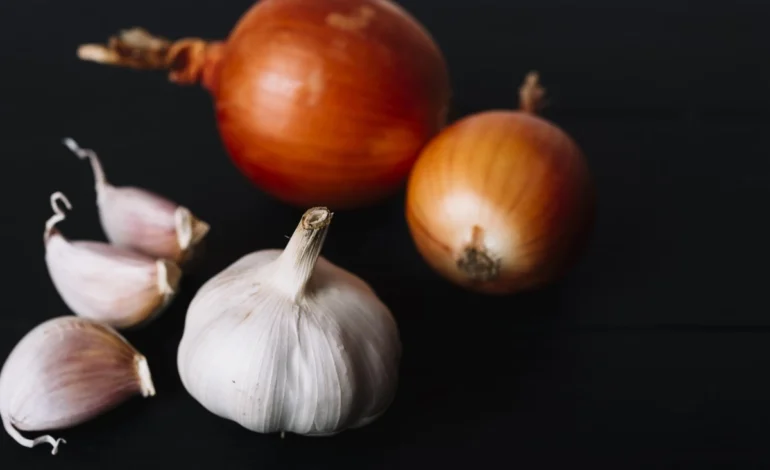
You might be surprised how many people aren’t quite sure where or how to store garlic and onions. These everyday kitchen staples seem simple, yet storing them incorrectly is one of the fastest ways to shorten their shelf life, waste food, and lose flavor.
This quick guide breaks it down into easy, practical steps so your garlic, onions, and shallots stay fresh, firm, and ready when you need them.
Why Proper Storage Matters
Onions, garlic, and shallots are kitchen essentials—reliable, flavorful, and versatile. But when stored the wrong way, they can sprout, soften, or spoil long before their time. Understanding why they need specific conditions makes all the difference.
What to Look for When Buying
Choosing the Best Bulbs
Always start with quality.
- Bulbs should feel firm and solid
- Avoid any that feel soft, damp, or collapse when gently squeezed
- Skins should be dry and intact, not moldy or slimy
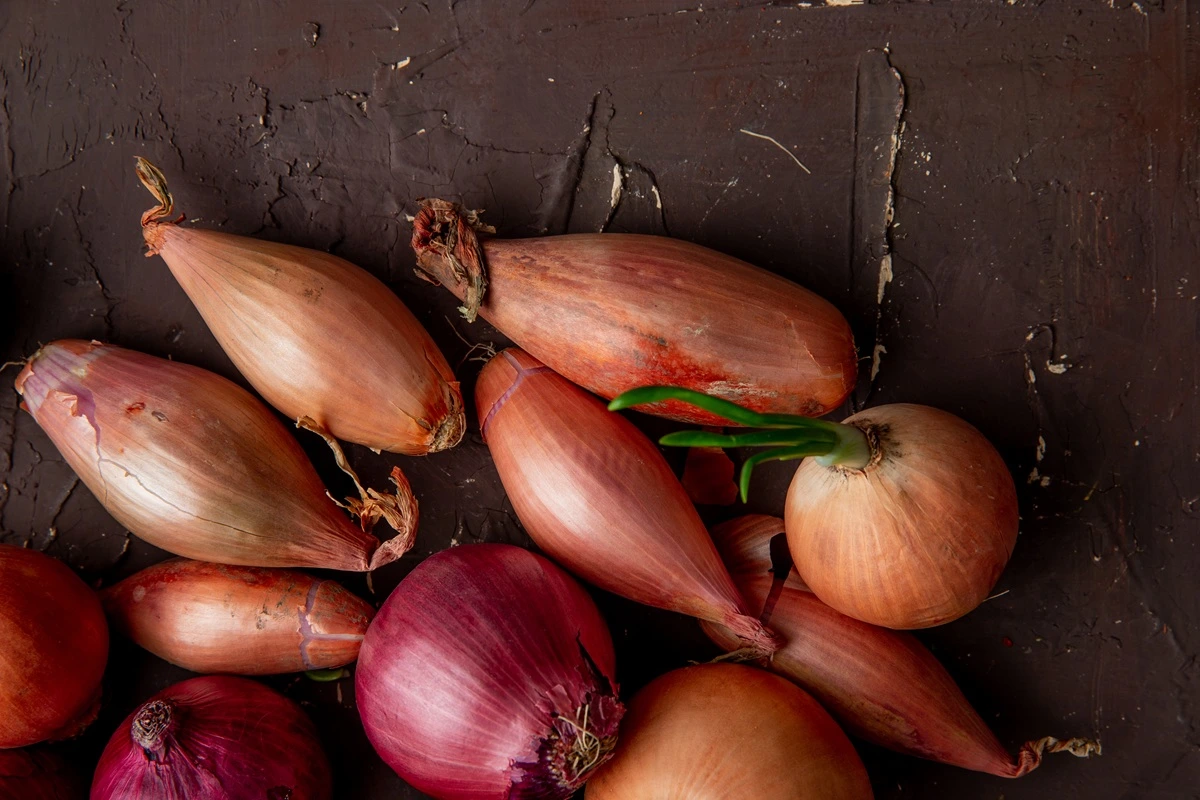
How to Store Garlic, Onions, and Shallots
The Best Storage Method
- Keep bulbs unpeeled
- Store in a cool, dark, dry place
- Use a well-ventilated basket, mesh bag, or wire bin
- Good airflow is essential to prevent moisture buildup
What to Avoid
- Don’t store onions near potatoes—they release gases that speed up spoilage
- Avoid sealed plastic bags or airtight containers
- Keep away from direct sunlight and heat sources
Special Note on Sweet Onions
Sweet onions contain more water, which makes them more delicate. Store them in a breathable bag in the refrigerator crisper to extend their life.
Making the Most of Stored Bulbs
Can You Eat Sprouts?
Yes! While some chefs claim sprouts are bitter, many cooks find them perfectly edible. Garlic, onion, and shallot sprouts can all be eaten—taste and decide for yourself.
Can You Plant Them?
Absolutely.
- Garlic cloves can be planted
- The root end of onions and shallots can regrow when planted
FAQ: Why Store Garlic and Onions This Way?
Why must they be kept in a cool, dark place?
Light and heat encourage sprouting and moisture loss, which leads to faster spoilage.
Why is ventilation so important?
Airflow prevents trapped moisture, which can cause mold and rot.
Why shouldn’t onions and potatoes be stored together?
Both release natural gases that accelerate decay when kept close.
Why do sweet onions need refrigeration?
Their higher water content makes them more prone to spoilage at room temperature.
Why leave the skins on?
The outer layers protect the bulb from moisture and bacteria.
Takeaway
Storing garlic and onions properly doesn’t require fancy tools—just the right environment. A little attention goes a long way in preserving flavor, texture, and freshness while reducing food waste.