



Liquid Gold Eggs: How to Master the Perfect Soft-Boiled Egg
Soft-boiled eggs are simple, elegant, and endlessly versatile. With tender whites and rich, spoonable yolks, they add instant comfort and flavor to nearly any meal—from breakfast toast to grain bowls

Soft-boiled eggs are simple, elegant, and endlessly versatile. With tender whites and rich, spoonable yolks, they add instant comfort and flavor to nearly any meal—from breakfast toast to grain bowls and salads.
Learning how to make soft-boiled eggs perfectly every time comes down to timing, gentle cooking, and a few easy techniques. Once you master this method, you’ll want to add these eggs to just about everything.
The History of Soft-Boiled Eggs: From London to the United States
A British Breakfast Tradition
Soft-boiled eggs have long been a staple of the traditional English breakfast. As early as the 18th and 19th centuries in London, gently cooked eggs were commonly served in porcelain egg cups alongside buttered toast—often cut into thin strips known as “soldiers.” This method of eating eggs became a symbol of a proper, comforting morning meal in British households.
The rise of tea culture in England also helped popularize soft-boiled eggs, as they paired perfectly with lighter breakfasts that emphasized simplicity and quality ingredients.
Soft-Boiled Eggs Cross the Atlantic
As British settlers and immigrants made their way to North America, they brought their cooking traditions with them. Soft-boiled eggs found a place in early American kitchens, especially in the northeastern United States, where breakfast habits closely mirrored those of England.
By the late 19th and early 20th centuries, soft-boiled eggs were frequently recommended in American cookbooks as an easy-to-digest, nourishing food—often suggested for children, the elderly, or anyone needing a light yet satisfying meal.
From Classic Comfort to Modern Favorite
In the United States today, soft-boiled eggs have evolved beyond the breakfast table. They’re now celebrated in modern cooking as a versatile topping for salads, grain bowls, and soups like ramen. Their creamy yolk and simple preparation make them a favorite among home cooks and chefs alike.
From elegant London tea tables to contemporary American kitchens, soft-boiled eggs have stood the test of time—proving that sometimes the simplest foods are the most enduring.
Why Soft-Boiled Eggs Are So Loved
Perfect Texture
The whites are just set, while the yolk remains creamy, silky, and luxuriously runny.
Incredibly Versatile
Enjoy them with toast, in ramen, over salads, or as a quick protein-packed snack.
Simple but Impressive
They look fancy, but require only minutes and basic kitchen tools.
How to Make Soft-Boiled Eggs
Step 1: Bring the Water to a Boil
Fill a saucepan with a few inches of water and heat over high heat until it reaches a rolling boil.
Step 2: Lower the Heat
Reduce the heat slightly so the water maintains a steady, rapid simmer rather than a hard boil.
Step 3: Add the Eggs Carefully
Using a spoon, gently lower the eggs into the water to prevent cracking.
Step 4: Cook with Precision
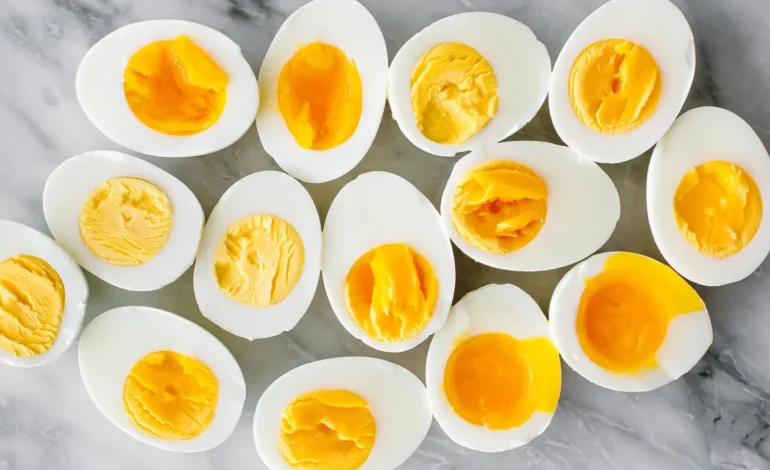
Cook the eggs for 5 to 7 minutes, depending on how runny you like the yolk:
- 5 minutes: very runny center
- 6 minutes: jammy but soft
- 7 minutes: set whites with a creamy yolk
If cooking more than two eggs at once, add a few extra seconds.
Step 5: Cool Slightly
Transfer the eggs to cold running water for about 30 seconds to stop the cooking process.
Step 6: Open and Serve
Tap gently around the top of the egg with a knife or use an egg cutter. Remove the cap and enjoy while warm.
Elevate Your Routine with Ravoke
At Ravoke, we believe that starting your day with intention begins in the kitchen. Mastering the soft-boiled egg is a cornerstone of healthy breakfast ideas, offering a high-protein, nutrient-dense start that keeps you fueled without the mid-morning crash. Whether you are a seasoned chef or a home cook looking to refine your skills, our mission is to provide you with the techniques and inspiration to turn simple ingredients into extraordinary meals.
How Long Does It Take to Cook Soft-Boiled Eggs?
Timing Is Everything
Always start timing after the eggs go into simmering water. Using a timer—not guesswork—is the key to consistent results.
General Timing Guide
- 1–2 eggs: 5–7 minutes
- 3–4 eggs: add 10–20 seconds
- More than 4 eggs: cook in batches for best results
How to Crack a Soft-Boiled Egg
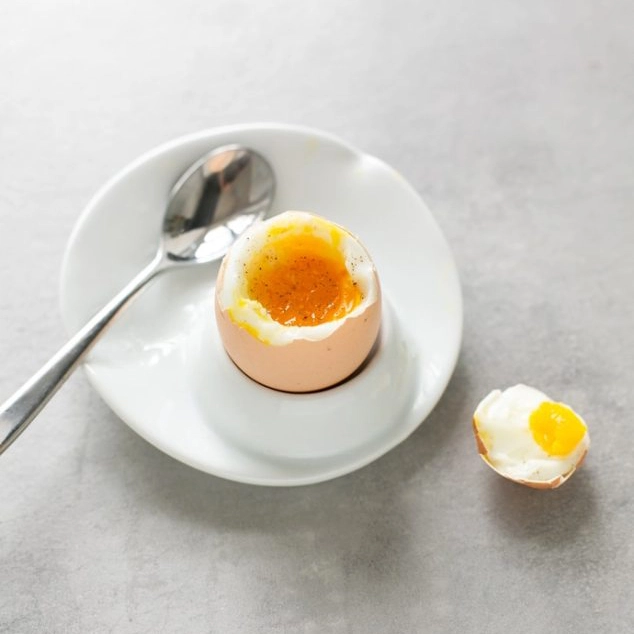
Nestle the egg into an egg cup and gently tap around the top with a knife. Lift off the cap and use a spoon to scoop out the egg—or dip toast straight into that golden yolk.
No Egg Cup? No Problem
Fill a small ramekin with uncooked rice or grains and set the egg inside. It holds the egg steady and works just as well.
Ways to Enjoy Soft-Boiled Eggs
Beyond Breakfast
- On avocado toast
- In grain or noodle bowls
- As a salad or soup topper (especially ramen)
- Straight from the shell with a pinch of salt
Soft-boiled eggs fit seamlessly into any meal, any time of day.
Frequently Asked Questions
Can I make soft-boiled eggs ahead of time?
Yes. Cook and refrigerate them unpeeled for up to two days. Rewarm briefly in hot (not boiling) water.
What if my eggs crack while cooking?
A small crack is okay. Lowering the eggs gently and using simmering—not boiling—water helps prevent this.
Can I use older eggs?
Fresh eggs hold together better for soft boiling. Older eggs may leak slightly but are still usable.
How do I season soft-boiled eggs?
Simple salt and pepper works best, but chili oil, flaky salt, or everything seasoning are great additions.
Why We Keep Coming Back to Soft-Boiled Eggs
Soft-boiled eggs strike the perfect balance between comfort and indulgence. Firm whites, molten yolks, and endless serving options make them a staple worth mastering. Once you learn this method, they’ll quickly become a kitchen essential.
About the Author
Charles Mattocks is an award-winning filmmaker, actor, author, and global health advocate. The nephew of reggae legend Bob Marley, Charles has devoted his life to raising awareness about chronic illness, health equity, and personal empowerment. His groundbreaking television projects — including Reversed and Eight Days — have aired on major networks and inspired audiences worldwide. Through his work in film, writing, and health media, Charles continues to champion wellness and the importance of evidence-based care across communities. Charles is also a published author of two cookbooks and one children’s book.