




Inside Food Recalls: The Hidden Problem of Foreign Objects in Everyday Products
By Gloria Lancer for Ravoke.com A Persistent Issue Across the Food Industry Foreign object contamination is not just an occasional mishap—it is one of the most consistent drivers of food

By Gloria Lancer for Ravoke.com
A Persistent Issue Across the Food Industry
Foreign object contamination is not just an occasional mishap—it is one of the most consistent drivers of food recalls in the United States. Recent data shows that contamination from materials like metal, plastic, and wood continues to rank among the leading causes of large-scale recalls, sometimes affecting tens of millions of pounds of food in a single year.
What makes this issue particularly concerning is how widespread it is. It impacts everything from frozen meals and snack foods to meat products and packaged produce. And while the actual risk to consumers is often low, the potential for injury—such as choking or dental damage—keeps regulators and manufacturers on high alert.
Real-World Examples of Affected Products
Recent recalls offer a clearer picture of how common—and varied—these incidents can be. A number of widely distributed grocery items have been flagged for contamination:
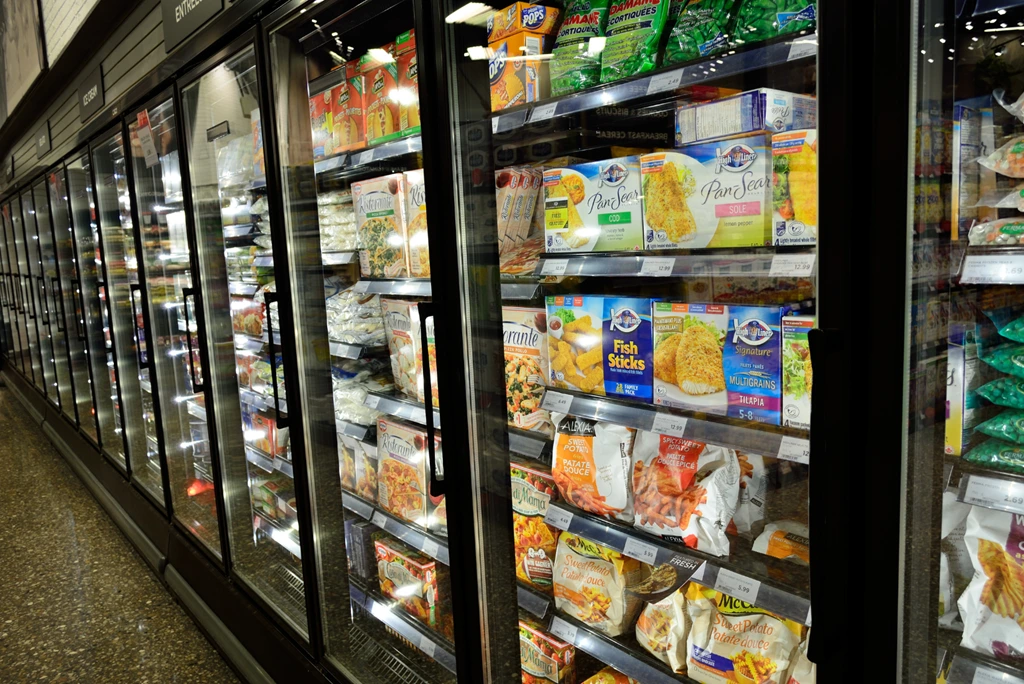
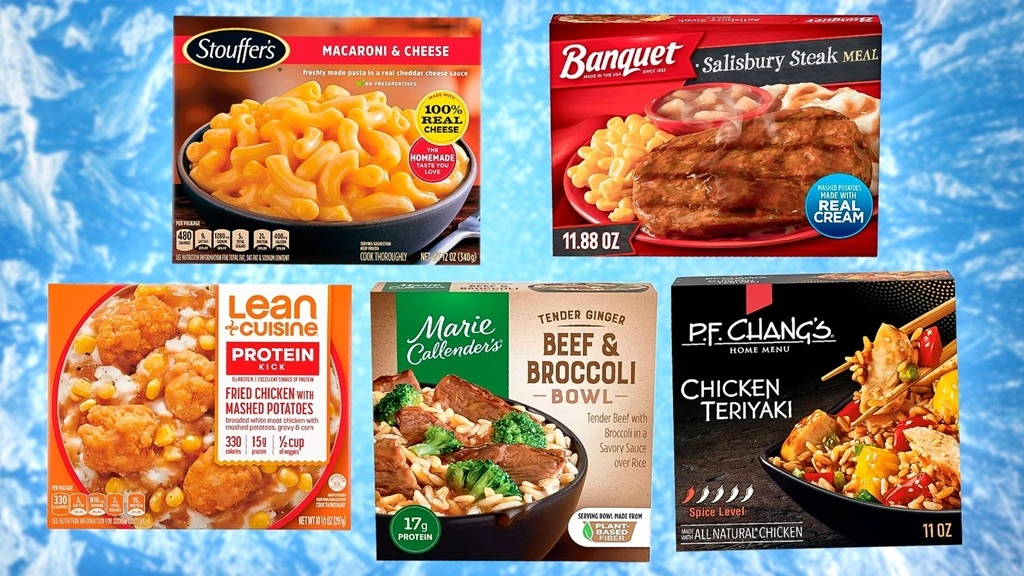
- Frozen meals like Lean Cuisine ravioli, shrimp dishes, and family-size lasagna were pulled after reports of wood-like fragments.
- Ready-to-eat snacks such as beef and turkey sticks were recalled due to possible metal pieces.
- Sliced deli cheese sold in major retail chains faced recalls after concerns over stainless steel contamination.
- Chicken nuggets and tenders, including organic varieties, were withdrawn from shelves after customers reported finding metal wire.
- Frozen corn dogs were recalled in massive quantities after wood fragments were discovered in the batter, with some reported injuries.
- Chocolate snacks and confectionery items have also been affected, with some recalls tied to metal fragments or even small stones.
- Bulk oats and grain products have been flagged for plastic contamination during processing.
- Packaged salad dressings used in food service were recalled after plastic material was found in ingredients.
Even plant-based products and veggie burgers have not been immune, with some recalls linked to unexpected hardware fragments like bolts.
Why So Many Different Foods Are Affected
One of the biggest misconceptions is that contamination is limited to certain types of food. In reality, it can occur across nearly every category.
Highly processed foods—like frozen meals or packaged snacks—face risks from machinery and packaging systems. Meanwhile, raw and minimally processed foods can carry debris straight from the agricultural environment.
Production scale also plays a role. A single factory may process thousands of units per hour. If a machine part breaks or a material degrades, contamination can spread quickly before it is detected.
The Role of Equipment and Supply Chains
Modern food production depends heavily on automation. While this improves efficiency, it also introduces mechanical vulnerabilities. Equipment parts can loosen, belts can fray, and components can degrade over time.
Supply chains add another layer of complexity. Ingredients often pass through multiple facilities before reaching final packaging. Each step increases the chance of contamination, especially if quality control varies between suppliers.
Recent reports have even pointed to operational pressures—such as staffing shortages and maintenance delays—as contributing factors in some contamination events.
Why Recalls Are Increasing
Interestingly, the rise in recalls does not necessarily mean food is becoming less safe. In many cases, it reflects better detection and stricter oversight.
Advanced screening technologies, combined with increased consumer awareness, mean problems are more likely to be caught and reported. Companies are also acting more cautiously, often recalling products at the first sign of risk.
In 2025 alone, foreign material contamination accounted for a significant portion of recall events, reinforcing how central this issue has become in food safety discussions.
The Cost of Caution
When a food recall is issued, companies typically remove entire production batches—even if only a small portion is affected. This leads to large volumes of food being discarded, adding financial and environmental costs.
However, this cautious approach is intentional. It prioritizes consumer safety over precision, ensuring that potentially harmful products are removed before they can cause widespread harm.
The Bottom Line
Foreign objects in food may sound alarming, but they are a known and closely monitored risk within a highly complex system. From frozen dinners to snack foods and fresh ingredients, no category is completely immune.
What has changed is how quickly these issues are identified and addressed. Improved technology, stricter regulations, and more engaged consumers are all contributing to faster recalls and greater transparency.
Even so, the presence of these contaminants serves as a reminder: the modern food system, while advanced, is still vulnerable to small failures with big consequences.
Frequently Asked Questions
What counts as a foreign object in food?
Foreign objects include any material that does not belong in the product. This can range from metal fragments, plastic pieces, and rubber to natural debris like stones, wood, or insects.
How do these objects get into food?
Contamination can happen at multiple stages. It may begin during harvesting, where natural debris is present, or during processing, where machinery, packaging, or human error can introduce unwanted materials.
Are foreign objects in food dangerous?
They can be. Some objects, like small stones or metal fragments, may cause choking, cuts, or dental damage. However, many recalls happen before widespread harm occurs, which helps reduce overall risk.
Why don’t companies catch everything before products are sold?
Even with advanced detection systems like X-rays and metal detectors, no technology is perfect. Small, irregular, or less dense materials can sometimes go unnoticed during inspections.
What should I do if I find something in my food?
Stop eating the product immediately and keep the packaging. Report the issue to the manufacturer and, if necessary, to food safety authorities. If you experience any injury, seek medical attention.