

I’m in Favor of Vaccinations Despite Having an Adverse Reaction to the RSV Vaccine
By Donna M. Atwood for ravoke.com One person’s experience with an adverse reaction does not erase decades of medical progress—but it does demand honesty, nuance, and compassion. I want to

By Donna M. Atwood for ravoke.com
One person’s experience with an adverse reaction does not erase decades of medical progress—but it does demand honesty, nuance, and compassion.
I want to say something clearly and without hesitation: I support vaccinations. I believe they save lives, protect communities, and remain one of the most important tools in modern medicine. I also experienced a notable adverse reaction to the RSV vaccine. Both of these statements are true—and neither cancels the other out.
In recent years, I’ve noticed that public conversations about vaccines often feel polarized. It’s as if we’re expected to be either fully supportive or entirely opposed, with little room for nuance. But real human experiences don’t fit neatly into extremes.
Having an adverse reaction does not suddenly erase decades of scientific evidence supporting vaccines. Nor does supporting vaccines mean ignoring or dismissing the reality that adverse reactions, while uncommon, do happen. Acknowledging both truths is not anti-science. It’s simply honest.
Vaccines, like all medical interventions, carry some risk. For most people, side effects are mild and temporary. For a very small percentage, reactions can be more significant. When adverse reactions occur, they deserve medical attention; compassion; transparency; and careful documentation.
I’m pleased to share that I did receive appropriate medical attention during my visit to the emergency room following an RSV vaccination. Additionally, the pharmacist where the vaccine was administered listened with concern as I recounted what had taken place. She was also quick to offer to report my reaction to the proper agency. Recognizing the importance of receiving this data, I eagerly consented.
The symptoms I experienced are also what are seen with Guillain-Barré Syndrome (GBS). GBS is a rare autoimmune neurological disorder in which the immune system attacks the peripheral nerves. Symptoms usually start suddenly and can progress over days to weeks.
The first symptom that caused me concern was numbness located in the anterolateral aspect of my left thigh. When my heart began to beat erratically later that same day, that’s when I considered it imperative to go the emergency room.
I reported additional symptoms to the emergency room doctor, including tingling in my toes and fingers; weakness in my legs; muscle aches; severe muscle pain at night, especially along the edge of where the numbness was located in my left thigh; extreme fatigue; uncontrollable diarrhea; and lightheadedness.
I was fortunate. My symptoms were taken seriously. I am grateful that the professionals in the emergency room did not dismiss what I was experiencing at that time.
Ignoring or minimizing such adverse reactions undermines trust. At the same time, amplifying rare events as if they represent the norm undermines public health.
This is an important point to make because it is my belief that ignoring or minimizing such adverse reactions undermines trust. At the same time, amplifying rare events as if they represent the norm undermines public health. It is my assertion that we can do better than both of these extremes.
Despite my experience, I remain in favor of vaccines and will continue to utilize them. This is because vaccines reduce hospitalizations and long-term complications and deaths—especially among vulnerable populations. Additionally, an overwhelming majority of individuals receive vaccines without serious harm.
Having said this, monitoring adverse reactions helps improve future safety, dosing, screening, and guidance.
My supporting vaccination does not mean I’m pretending that vaccines are perfect. It also does not mean that, based on my body’s reaction, that it would be in my best interest to accept another RSV vaccination. What it does mean is that I recognize that no medical tool is risk-free, and I’m continuing to choose the option that, overall, saves the most lives.
There are plenty of other vaccines which have, and will continue to, protect my health in a safe and effective manner. I am grateful that this technology exists.
After my experience, it has become apparent to me that we need space for conversations that allow people to say:
“This helped me.”
“This harmed me.”
“Both can be true.”
“We should keep improving.”
Public trust is built not by insisting on perfection, but by being willing to talk honestly about limitations, risks, and individual variability. I suspect that when most people, like myself, who experience adverse reactions feel that they have been heard, they are more likely to support science—not less.
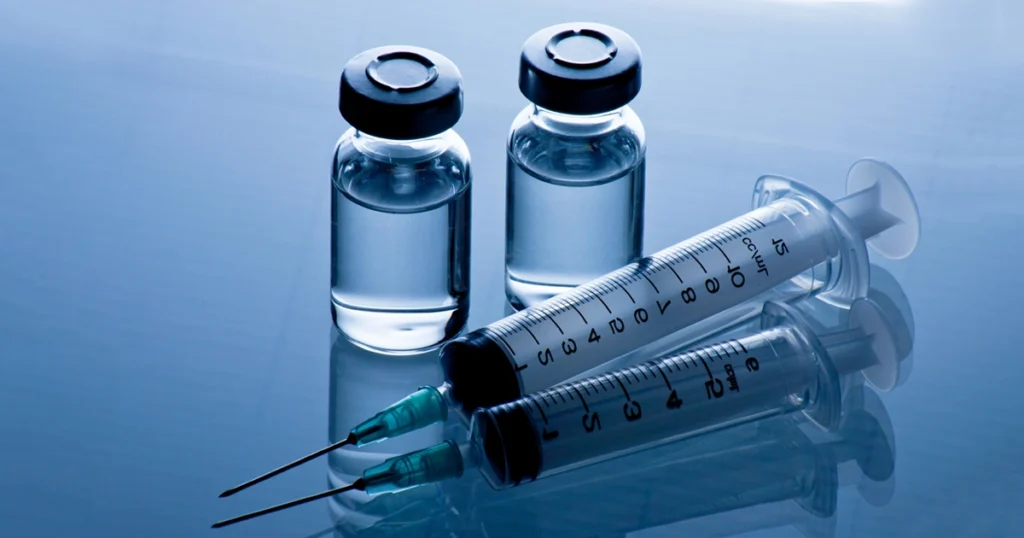
My adverse reaction to the RSV vaccine is part of my personal medical story. It does not negate the broader evidence showing vaccine benefits—including the RSV vaccine, nor does it mean others should avoid vaccination. What it does mean is that individual responses vary; informed consent matters; and listening to everyday people like myself matters.
After all, science is strongest when it is open to learning from every outcome—including the rare ones.
I believe we can support vaccines and advocate for better screening, clearer communication, and stronger post-vaccination care. What I am suggesting is that we don’t have to choose between compassion and science; we don’t have to silence lived experience to protect public health; and we don’t have to abandon vaccination because of rare adverse outcomes.
Black and white thinking with regard to vaccines will not protect an individual’s nor the public’s health. We can acknowledge that this type of medical tool and an individual’s response is more complex than this. In other words, this means that we can hold complexity. We can tell the truth about our experiences. And we can still move forward—together. Donna M. Atwood is the founder of the Spiritual and Extraterrestrial Experiencers Network (SEEN). SEEN supports the unique needs of individuals who have experienced spiritual, extraterrestrial, or non-human contact. SEEN also provides a safe space for education, validation, and shared experiences. For more information, please visit SEEN on YouTube, X, and Facebook. Visit: https://dmatwood.com/about.html