




Chest Pain: What It Means, What It Doesn’t, and When to Take Action
I still remember the first time I clutched my chest in the middle of the night, convinced I was having the big one. I was sitting on the edge of
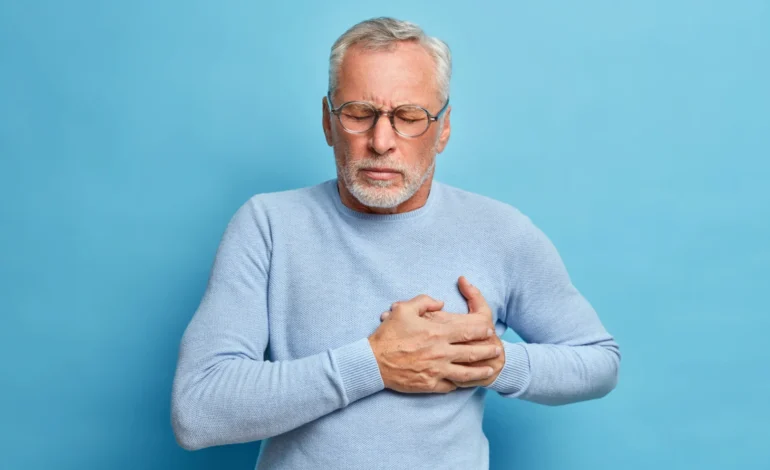

I still remember the first time I clutched my chest in the middle of the night, convinced I was having the big one. I was sitting on the edge of my bed, counting every breath, convinced this was it. By the time I reached the ER, heart racing and palms sweating, the doctors told me what I didn’t expect to hear:
“It’s not your heart.”
That happened more than once. And every time, I’d walk out relieved—but also confused. How could something that felt so frightening be nothing?
Over time, I learned that chest pain is complicated. Stress, anxiety, digestion issues, lungs, muscles…so many things can set off an alarm in your body. And sometimes, that alarm is worth listening to. Other times, it’s your body crying out for rest, balance, or clarity.
This guide is here to help you understand the difference—so you can stay calm, stay safe, and know when to make that trip to the doctor.
Read About: The Hidden Crisis: Deconstructing Gender Disparity in Women’s Cardiovascular Care — The Silent Crisis in Women’s Heart Health
What Chest Pain Really Is—and What It Isn’t
Chest pain isn’t just “pain.” It can be pressure, squeezing, tightness, burning, heaviness or even an odd ache that spreads to your arms, jaw, shoulders, or back.
Sometimes it lasts seconds. Sometimes minutes. Sometimes it sits with you for hours like an unwelcome house guest.
When It Feels Like the Heart
Many describe heart-related chest discomfort as:
- Pressure or heaviness
- Squeezing or crushing
- A fullness that doesn’t feel right
It may come with:
- Shortness of breath
- Fatigue
- Nausea
- Sweating
- Light-headedness
- Discomfort radiating to the jaw, neck, back, or arms
And yes—these can also overlap with lung problems or digestive issues, which is why chest pain is one of the trickiest symptoms to figure out on your own.

What Causes Chest Pain? More Than Most People Realize
Chest pain isn’t always about the heart. In fact, the most common cause isn’t cardiac at all.
The Most Common Trigger: GERD (Chronic Heartburn)
This digestive issue can mimic heart pain so closely it sends people (like me) straight to the ER.
Other non-cardiac causes include:
- Stomach ulcers
- Esophageal spasms
- Gallstones
- Gastritis
- Pancreatitis
- Hiatal hernia
Then there are lung-related causes:
- Pulmonary embolism
- Pneumonia
- Asthma
- COPD
- Pleurisy
- Collapsed lung
And the ones we often forget about:
- Rib fractures
- Muscle strains
- Costochondritis
- Shingles
- Anxiety or panic attacks
All of these can create real, frightening chest pain—and some require immediate help.
Treating Chest Pain: What Happens Next
Treatment depends entirely on the cause.
If It’s Your Heart:
Emergency care is immediate and crucial. This can include medication, stents, or even surgery to restore blood flow.
If It’s Not Your Heart:
Your provider may recommend:
- Medication
- Lifestyle changes
- Dietary adjustments
- Procedures or surgery (in more serious cases)
Either way, the goal is the same: clarity and relief.
What Happens If You Ignore Chest Pain?
Let’s be direct—ignoring chest pain can cost you your life.
Some causes—heart attacks, pulmonary embolisms, severe infections—don’t give you a second chance. If something feels wrong, trust your instinct. Your body is wiser than you think.
Read About: A Mammogram With More to Tell: Protecting Both Breast and Heart Health
Can Chest Pain Be Prevented? Yes—More Than You’d Expect
You can lower your risk by focusing on:
- Healthy eating
- Regular movement
- Managing blood pressure, cholesterol & diabetes
- Avoiding tobacco
- Staying at a healthy weight
- Limiting alcohol
- Treating infections early
- Knowing your triggers (asthma, heartburn, etc.)
Sometimes prevention starts with simply listening to yourself.
When to Call the Doctor—Or 911
Here’s the rule: If chest pain lasts more than 5 minutes, doesn’t improve with rest, or comes with nausea, sweating, faintness or shortness of breath—call 911 immediately.
Heart attacks don’t always look like the movies. Sometimes they look like:
- Light-headedness
- Jaw pain
- Upper stomach discomfort
- Back or shoulder pain
- A strange, deep fatigue
If you feel something is wrong…your body is talking. Don’t silence it.
How to Tell Heart Pain From Something Else
Sometimes you simply can’t. Even doctors rely on tests like EKGs and bloodwork.
But some clues help:
More likely heart-related:
- New or severe pain
- Pain with shortness of breath or nausea
- Pain radiating to jaw, arm, or back
- Pain in people with risk factors (diabetes, high BP, kidney disease, over 60)
- Pain that feels heavy, tight, or crushing
Less likely heart-related:
- Pain lasting only seconds
- Pain that improves with burping, stretching, antacids, muscle relaxers, warm compresses
- Pain tied to movement or breathing
Still—if you’re unsure, get checked. Peace of mind is worth it.
FAQ: Real Questions from Real People
1. Can stress really cause chest pain?
Absolutely. Stress can tighten chest muscles, affect breathing, and trigger anxiety that feels identical to heart pain.
2. When is chest pain an emergency?
If it lasts over five minutes, includes shortness of breath, sweating, nausea, or feels crushing—call 911.
3. Can acid reflux feel like a heart attack?
Yes—and it often does. That’s why it’s so confusing.
4. Can chest pain last months?
Musculoskeletal issues, inflammation, and anxiety can cause long-lasting chest discomfort. Still, always rule out cardiac causes.
5. What test tells you if it’s your heart?
Typically an EKG, blood test (troponin), chest X-ray, and sometimes stress testing or CT scans.
6. Does chest pain always mean something serious?
No. But you should never guess—always confirm.
7. What if the pain goes away?
Even if the pain stops, it could still have been cardiac. Follow up with a healthcare provider.
About the Author
Charles Mattocks is an award-winning filmmaker, actor, author, and global health advocate. The nephew of reggae legend Bob Marley, Charles has devoted his life to raising awareness about chronic illness, health equity, and personal empowerment. His groundbreaking television projects — including Reversed and Eight Days — have aired on major networks and inspired audiences worldwide. Through his work in film, writing, and health media, Charles continues to champion wellness and the importance of evidence-based care across communities. Charles is also a published author of two cookbooks and one children’s book.