




What Is the Riskiest Thing to Eat and Why? A Global Look at the World’s Most Dangerous Foods
We live in a world where food is not just sustenance—it’s culture, tradition, and even identity. Many people chase exotic culinary experiences without knowing the hidden dangers on their plates.

We live in a world where food is not just sustenance—it’s culture, tradition, and even identity. Many people chase exotic culinary experiences without knowing the hidden dangers on their plates. From street stalls in Southeast Asia to fine dining in Tokyo, risky foods are part of global heritage, often eaten with pride and centuries of tradition.
But not all foods are created equal, and some carry health risks that range from severe illness to life-threatening outcomes.
So, what is the riskiest food to eat—and why do people still eat it?
Let’s explore 13 of the world’s most dangerous foods, where they are commonly eaten, and what cultural history makes them beloved despite their risks.
1. Fugu (Pufferfish) – Japan
Where it’s eaten: Predominantly in Japan, especially in cities like Tokyo and Osaka
Cultural context: Considered a high-end delicacy, fugu has been eaten in Japan for centuries. The danger adds to its allure—it’s often seen as a test of bravery and trust in the chef. Only licensed chefs are legally permitted to prepare it, undergoing years of training to learn how to remove the toxic parts.
Why it’s risky: Contains tetrodotoxin, a deadly neurotoxin with no antidote. One wrong cut can be fatal.
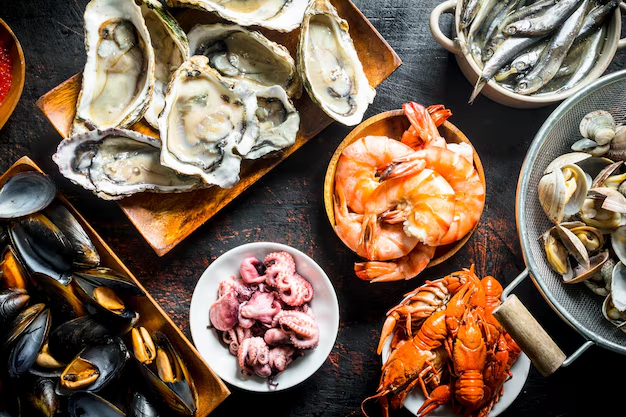
2. Raw Shellfish (Oysters, Mussels) – Coastal Regions Worldwide
Where it’s eaten: USA (Gulf Coast), Japan, France, Australia, Southeast Asia
Cultural context: Eating raw shellfish is tied to freshness and status. In places like France and the U.S., oysters are considered gourmet. In coastal regions of Asia, seafood is central to daily meals and traditions.
Why it’s risky: Can harbor Vibrio vulnificus, a bacteria causing severe illness or sepsis, particularly in those with liver disease or weakened immune systems.
3. Unpasteurized Dairy – Europe, USA, Middle East
Where it’s eaten: France (raw-milk cheeses), Switzerland, rural parts of the U.S., parts of the Middle East
Cultural context: Traditional cheese-making often uses raw milk to preserve flavor complexity and microbial richness. Advocates believe pasteurization destroys beneficial bacteria. In many cultures, raw milk is considered “more natural.”
Why it’s risky: Can contain Listeria, E. coli, or Salmonella, which are especially dangerous for pregnant women and immunocompromised people.
4. Undercooked Ground Meat – Global (especially USA, Europe)
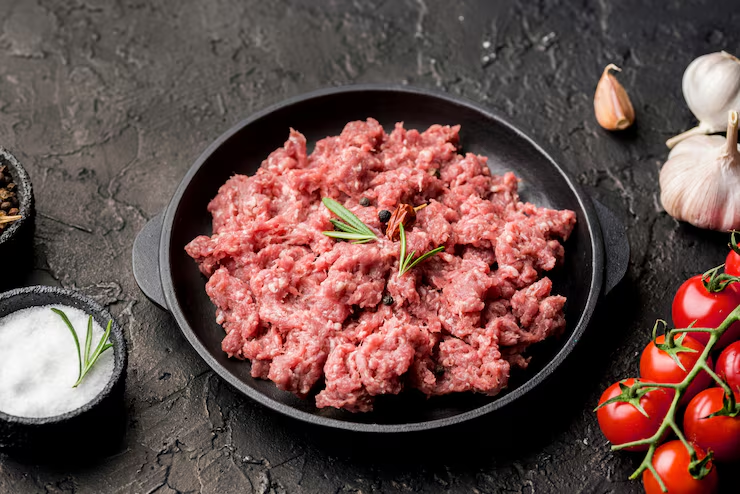
Where it’s eaten: Burgers in the U.S., steak tartare in France, kibbeh nayyeh in Lebanon
Cultural context: In many countries, rare beef is associated with premium quality and taste. Steak tartare, for example, is considered a delicacy in French cuisine. In the U.S., the trend toward “medium-rare” burgers is about flavor and juiciness.
Why it’s risky: Ground meat can harbor E. coli bacteria, as surface contaminants get mixed throughout during processing.
5. Raw Sprouts – USA, Europe, Southeast Asia
Where it’s eaten: Common in salads, health foods, and Asian cuisine (especially Vietnamese and Thai dishes)
Cultural context: Considered healthy, high in enzymes, and associated with vegetarian or raw diets. In many Asian dishes, they’re used for crunch and freshness.
Why it’s risky: Warm, humid conditions used to grow sprouts are ideal for bacterial contamination (E. coli, Salmonella).
6. Wild Mushrooms – Global
Where it’s eaten: Foraged in Europe (especially Eastern Europe), North America, and parts of Asia
Cultural context: Mushroom foraging is a seasonal, cultural tradition in countries like Poland, Russia, and Finland. It’s a point of pride and passed down through generations. In rural China, wild mushrooms are prized for their flavor and variety.
Why it’s risky: Some toxic mushrooms look identical to edible ones. They can cause liver or kidney failure with no immediate symptoms.
7. Cassava – Africa, South America, Southeast Asia
Where it’s eaten: Nigeria, Brazil, Thailand, Indonesia
Cultural context: Cassava is a staple crop feeding over 500 million people. It’s cheap, drought-resistant, and a crucial carbohydrate source. Traditional processing techniques are used to reduce toxicity.
Why it’s risky: When consumed raw or improperly prepared, it contains cyanide-producing compounds that can cause poisoning.
8. Ackee Fruit – Jamaica, West Africa
Where it’s eaten: Jamaica (national dish: ackee and saltfish), parts of West Africa
Cultural context: A symbol of Jamaican identity and pride, ackee is part of cultural celebrations and everyday meals. It was brought to the Caribbean from West Africa during the 18th century.
Why it’s risky: Unripe ackee contains hypoglycin toxins, which can cause severe hypoglycemia, seizures, and death.
9. Starfruit – Southeast Asia, Brazil, Philippines
Where it’s eaten: Philippines, Malaysia, India, Brazil
Cultural context: Known for its refreshing flavor and high vitamin C, starfruit is commonly used in juices and desserts. It’s often sold in street markets and considered cooling in tropical climates.
Why it’s risky: For individuals with kidney disease, starfruit’s neurotoxins cannot be filtered out, leading to confusion, seizures, or death.
10. Nutmeg (in large doses) – Global
Where it’s eaten: Worldwide, especially in baking and holiday dishes
Cultural context: Nutmeg is a common spice in both sweet and savory dishes. In small amounts, it adds warmth and flavor. In some fringe online communities or as a dare, it has been misused recreationally for its hallucinogenic effects.
Why it’s risky: High doses can cause hallucinations, nausea, heart palpitations, and organ toxicity.
11. Casu Marzu (Maggot Cheese) – Sardinia, Italy
Where it’s eaten: Sardinia (illegal but culturally preserved in private homes)
Cultural context: This cheese, crawling with live insect larvae, is considered a delicacy that showcases the “perfect fermentation.” Locals believe it enhances the depth of flavor and celebrate it during festivals.
Why it’s risky: The larvae can survive stomach acid and potentially burrow into the intestines, causing internal damage. It’s banned by the EU for food safety.
12. Hákarl (Fermented Shark) – Iceland
Where it’s eaten: Iceland, particularly during festivals like Þorrablót
Cultural context: Traditionally consumed as a preserved food in harsh winters, fermented shark is now a tourist rite of passage and a preserved national tradition.
Why it’s risky: If not fermented properly, the shark’s flesh contains urea and trimethylamine oxide, which are toxic when fresh.
13. Blood Clams – China, Southeast Asia
Where it’s eaten: Coastal areas of China, Vietnam, and Thailand
Cultural context: A prized delicacy in Chinese cuisine, blood clams are eaten for their rich taste and considered energizing. They’re often sold in seafood markets and street stalls.
Why it’s risky: Filter large amounts of seawater, accumulating hepatitis A, E, typhoid, and dysentery-causing bacteria. In Shanghai, they were once banned for contributing to hepatitis outbreaks.
Some Thoughts: Culture, Curiosity, and Caution
What’s considered risky in one culture is traditional in another. The foods on this list are often tied to identity, family, survival, or celebration. Many communities have learned through generations how to prepare them safely—but the risks are real, especially for outsiders unaware of proper handling or medical limitations.
Respecting tradition doesn’t mean ignoring danger. Whether you’re an adventurous eater or a cautious one, knowing what’s on your plate—and why it matters—is essential.
Eat with curiosity. Eat with respect. But most importantly, eat with knowledge.
By Gloria Lancer for Ravoke.com