




Could These 6 Fermented Foods Be the Gut Health Boost Your Body Needs?
From yogurt and kefir to kimchi and sauerkraut, fermented foods are gaining attention for their potential to support digestion, nourish the gut microbiome and contribute to overall health. But are


From yogurt and kefir to kimchi and sauerkraut, fermented foods are gaining attention for their potential to support digestion, nourish the gut microbiome and contribute to overall health. But are they really as beneficial as people claim?
What if improving your gut health didn’t require an expensive supplement, a complicated diet or a complete change in the way you eat? What if a few small additions to your everyday meals could help support the trillions of microorganisms living inside your digestive system?
That’s one reason fermented foods are attracting so much attention.
For generations, cultures around the world have relied on fermentation to preserve food, develop flavor and create ingredients that remain part of everyday meals. Today, researchers are taking a closer look at how these foods interact with the gut microbiome and whether eating them regularly may offer benefits beyond digestion.
From creamy yogurt to tangy sauerkraut, fermented foods can be flavorful, versatile and relatively easy to find. Some contain live microorganisms that may support gut health, while others provide nutrients and compounds created during fermentation.
But there are important distinctions. Not every fermented food contains live probiotics, not every product marketed as gut-friendly offers the same benefits, and certain people need to be careful about how much they consume.
So, what should you know before adding them to your diet?
First, What Exactly Are Fermented Foods?
Fermentation is a natural process in which microorganisms, including bacteria and yeast, break down components of food such as sugars and starches.
This process changes the food’s flavor, texture and sometimes its nutritional properties. It can also produce beneficial compounds and, depending on the food and how it is processed, introduce live microorganisms.
Some familiar examples include yogurt, kefir, kimchi, sauerkraut, miso and tempeh.
One important distinction is that fermented foods and probiotic foods are not automatically the same thing. A fermented food may contain live microorganisms, but those organisms are not necessarily proven to provide a specific health benefit. Heating, pasteurization and other processing methods can also destroy live cultures.
That means the label matters.
Why Your Gut Health Matters More Than You May Realize
Your digestive system does much more than break down food. It is home to a complex community of bacteria and other microorganisms known as the gut microbiome.
These microorganisms interact with your digestive system, help process certain foods, contribute to the production of compounds such as short-chain fatty acids and play a role in the body’s immune functions.
A diverse and balanced gut microbiome is generally considered an important part of overall health.
When the balance of microorganisms changes, it may be associated with digestive symptoms and other health concerns. Researchers are also studying connections between the gut microbiome, inflammation, metabolic health and the immune system.
This is where fermented foods become interesting.
Certain fermented foods can introduce live microorganisms into the digestive tract. Others provide fermentation products that may interact with the existing gut community. Their effects vary, however, and scientists are still learning which foods, microorganisms and amounts offer the most meaningful benefits.
A healthy gut also needs nourishment. Fiber from vegetables, fruits, beans, nuts, seeds and whole grains helps support beneficial gut microorganisms. Fermented foods can be one part of that bigger picture, not a replacement for a balanced diet.
6 Fermented Foods Worth Getting to Know
You don’t have to eat all six every day. Start with the foods you enjoy, pay attention to how your body responds and look for products that contain live cultures when that is your goal.
1. Yogurt: An Easy Place to Start
Yogurt is made by fermenting milk with specific bacterial cultures. Some varieties also contain additional live microorganisms.
Potential benefits:
- May support digestion and help some people digest lactose.
- Provides protein, calcium and other nutrients.
- Certain yogurt cultures have been studied for their effects on digestive health.
- Can be an easy way to add live cultures to breakfast or snacks.
Greek yogurt is a useful option if you want more protein, although nutritional content varies by brand.
What to look for: Choose plain yogurt with live and active cultures. Be cautious with flavored varieties that contain substantial added sugar. Plain yogurt with fresh berries, nuts or seeds can be a more nutritious choice.
Where to buy it: Most supermarkets carry yogurt in the refrigerated dairy section. Natural food stores and specialty markets may offer a wider selection.
2. Kefir: The Tangy Drink With a Variety of Cultures
Kefir is a fermented milk drink made using a combination of bacteria and yeast. It is thinner than yogurt and has a tangy flavor.
Potential benefits:
- Provides live microorganisms that may support gut microbial diversity.
- Contains protein, calcium and other nutrients.
- Fermentation may make kefir easier to tolerate than regular milk for some people with lactose sensitivity.
- May support digestion as part of a balanced diet.
Kefir is often discussed alongside yogurt because both are cultured dairy products, but they are made differently and can contain different microbial communities.
What to look for: Choose plain, unsweetened kefir with live cultures. Check the sugar content of flavored versions.
Where to buy it: Look in the refrigerated dairy section of supermarkets, health food stores and specialty grocery stores.
3. Sauerkraut: Cabbage With a Fermented Twist
Sauerkraut is made by fermenting shredded cabbage, usually with salt. The fermentation process creates its familiar sour taste.
Potential benefits:
- Naturally contains fiber from cabbage.
- Unpasteurized versions may provide live microorganisms.
- Offers nutrients found in cabbage, including vitamin C.
- Can add variety to meals while helping increase vegetable intake.
Sauerkraut is a simple addition to sandwiches, salads, grain bowls and cooked meals. However, cooking it at high temperatures can reduce or eliminate its live cultures.
What to look for: If you want live cultures, look for refrigerated sauerkraut labeled naturally fermented or unpasteurized. Shelf-stable canned varieties are often heat-treated.
Also check the sodium content. Sauerkraut can contain a significant amount of salt.
Where to buy it: Check the refrigerated section of supermarkets, natural food stores and specialty markets.
4. Kimchi: A Flavorful Korean Fermented Vegetable Dish
Kimchi is a traditional Korean food commonly made with napa cabbage, radish, garlic, ginger, chili and salt. It is fermented to develop its distinctive flavor.
Potential benefits:
- Provides vegetables and fiber.
- Some versions contain live microorganisms.
- Supplies nutrients from its vegetable ingredients.
- Adds variety to meals and can help make vegetables more appealing.
Kimchi has become popular well beyond Korean cuisine. It can be served alongside rice, added to eggs or used as a topping for grain bowls and other dishes.
What to look for: Choose naturally fermented products and check whether they are refrigerated and contain live cultures. Watch the sodium level, particularly if you need to limit salt.
Where to buy it: Asian grocery stores, larger supermarkets and natural food stores are good places to look.
5. Tempeh: A Fermented Plant-Based Protein
Tempeh is traditionally made from fermented soybeans that are bound together into a firm cake. It has a slightly nutty flavor and a hearty texture.
Potential benefits:
- Provides plant-based protein.
- Contains fiber and other nutrients from soybeans.
- Fermentation changes the structure of soybeans and may improve the availability of certain nutrients.
- Can be a satisfying alternative to meat in many meals.
Tempeh is especially useful for people looking to add more plant-based foods to their diets. It can be sliced, grilled, baked or added to stir-fries.
One thing to remember: tempeh is often cooked before eating. While it is a fermented food, it should not automatically be treated as a source of live probiotics in the finished meal.
What to look for: Choose plain tempeh with a short ingredient list and check for added sodium or sauces.
Where to buy it: Look in the refrigerated plant-based food section of supermarkets, health food stores and specialty grocery stores.
6. Miso: A Small Ingredient With a Big Flavor
Miso is a Japanese fermented paste traditionally made from soybeans, salt and koji, a culture used in fermentation. Some varieties also include rice or barley.
Potential benefits:
- Provides fermentation-derived compounds.
- Adds flavor without requiring large amounts of additional seasoning.
- Contains some protein and other nutrients.
- Can contribute to dietary variety through fermented soy.
Miso is commonly used in soups, dressings, marinades and sauces. It is a convenient way to introduce fermented ingredients into everyday cooking.
What to look for: Check the sodium content, as miso can be salty. If you want to preserve more live microorganisms, avoid boiling the paste for an extended period. Stirring it into food after cooking has finished may help reduce heat exposure.
Where to buy it: Asian grocery stores, larger supermarkets and natural food stores commonly carry miso.
Kimberly’s Story: What Changed When She Started Paying Attention to Her Gut?
Food choices can be personal. Sometimes a change in what we eat comes from curiosity. Other times, it begins when we start noticing that our bodies are not responding the way we would like.
For Kimberly, this is an opportunity to explore what led her to fermented foods, what she began incorporating into her routine and what she noticed afterward.
Kimberly’s experience: Her story belongs here, including what prompted her to try fermented foods, which foods she started eating, how long she incorporated them into her routine and the changes she says she noticed in her health.
Her experience can help readers understand what making a dietary change may look like in everyday life. It is also important to remember that one person’s experience does not guarantee the same results for someone else.
The goal is not to promise a cure or suggest that fermented foods can replace medical treatment. It is to understand how food choices may contribute to a healthier routine.
How Fermented Foods May Affect Your Gut Health
The gut microbiome is constantly interacting with the foods you eat. Fermented foods may influence this environment in several ways.
They introduce microorganisms. Some fermented foods contain live bacteria and yeasts that pass through the digestive tract. Certain strains may offer benefits, although not every microorganism in every fermented food has been clinically studied.
They provide fermentation products. During fermentation, microorganisms produce compounds such as organic acids and other metabolites. These substances may influence the digestive environment and how microorganisms interact with one another.
They may support microbial diversity. Research suggests that regularly eating a variety of fermented foods may help increase the diversity of microorganisms found in the gut. A more diverse microbiome is generally considered a positive feature, although diversity alone does not tell the whole story about someone’s health.
They can complement fiber-rich foods. Fermented foods work best as part of an overall eating pattern that includes fiber. Beans, vegetables, fruits, oats, nuts and whole grains provide nourishment for beneficial gut microbes.
In other words, adding kefir to breakfast while continuing to eat a diet low in fiber may not deliver the same overall nutritional support as combining fermented foods with a wide variety of plant-based foods.
Can Fermented Foods Help With Bloating, Constipation or Digestion?
Possibly, but it depends on the person and the food.
Some fermented dairy products, particularly yogurt with appropriate cultures, have evidence supporting improved lactose digestion. Other fermented foods are being studied for their potential effects on digestive symptoms and the gut microbiome.
However, fermented foods are not a guaranteed solution for bloating, constipation, diarrhea or other digestive problems.
In fact, some people initially experience more gas, bloating or changes in bowel habits when they introduce these foods. Those with irritable bowel syndrome or food sensitivities may find that certain ingredients make symptoms worse.
If digestive symptoms are persistent, severe or new, it is worth discussing them with a healthcare professional rather than assuming the problem is simply an unhealthy gut.
Where Can You Buy Fermented Foods?
You may not need to visit a specialty store. Many fermented foods are already available in regular supermarkets.
Here are some places to start:
- Supermarkets: Yogurt, kefir, miso, tempeh and some varieties of sauerkraut and kimchi.
- Asian grocery stores: Kimchi, miso, tempeh and other traditional fermented foods.
- Natural food stores: Refrigerated sauerkraut, cultured vegetables, kefir and specialty fermented products.
- Farmers’ markets: Some local producers sell naturally fermented vegetables and other small-batch products.
- Online grocery stores: Useful for finding specialty brands, but check shipping and refrigeration requirements for perishable foods.
When shopping, read the label rather than relying on words such as natural, traditional or gut-friendly. Look for live and active cultures when you want live microorganisms, and pay attention to added sugar, sodium and storage instructions.
Can Fermented Foods Be Harmful?
For many healthy adults, commercially prepared fermented foods are generally safe when handled and stored correctly. But that does not mean every fermented food is right for everyone.
There are several potential concerns worth knowing.
1. Too much sodium
Kimchi, sauerkraut, miso and fermented pickles can contain considerable salt. People managing high blood pressure, kidney disease or other conditions requiring sodium restriction should pay attention to serving sizes and labels.
2. Added sugar
Some flavored kefirs, yogurts and kombucha products contain substantial added sugar. A product marketed as healthy can still be high in sugar.
3. Digestive discomfort
Fermented foods may trigger gas, bloating or diarrhea in some people, particularly when introduced in large amounts. Certain ingredients, including garlic, onion and cabbage, can also be difficult for some people with sensitive digestive systems.
4. Histamine sensitivity
Some fermented foods contain histamine and other biogenic amines produced during fermentation. People who are sensitive to these compounds may experience symptoms after eating certain products. Reactions vary, and not everyone needs to avoid fermented foods.
5. Food safety problems
Improperly prepared or stored homemade fermented foods can become contaminated. Use tested recipes, clean equipment, appropriate salt concentrations and recommended fermentation and refrigeration practices. If food has unusual mold, an unexpected rotten smell or other signs of spoilage, do not taste it to check whether it is safe.
6. Special medical circumstances
People who are severely immunocompromised, seriously ill or receiving certain medical treatments should ask their healthcare team before deliberately increasing their intake of live-microbe foods. Individual advice matters.
Are There Fermented Foods You Should Stay Away From?
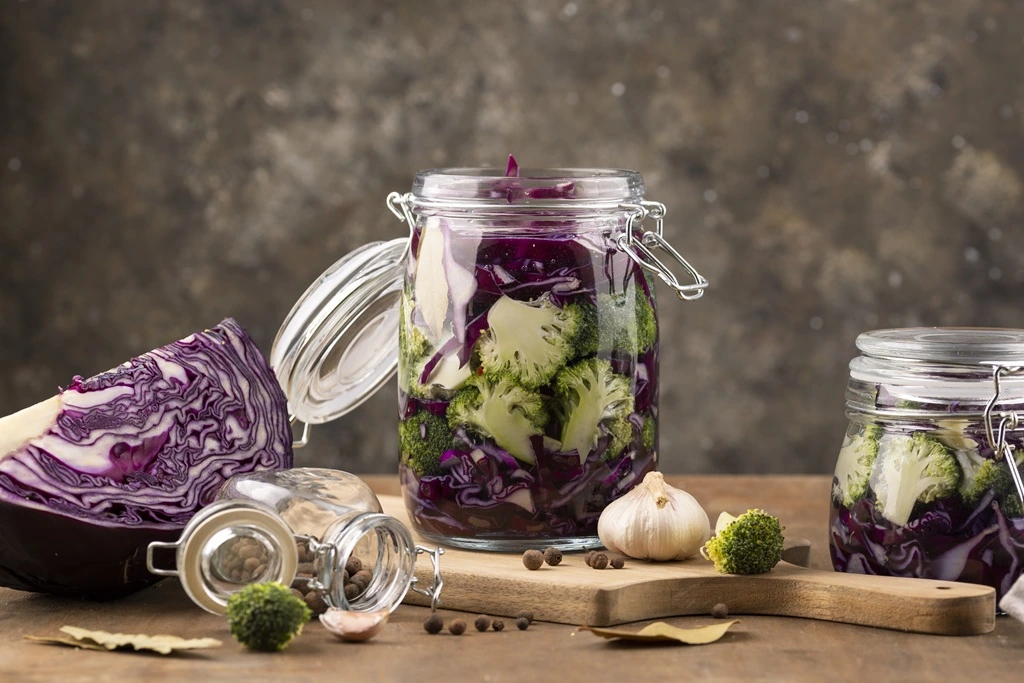
There is no universal list of fermented foods that everyone must avoid. The more important question is how the food was made, what is in it and whether it agrees with your body.
Still, there are some products and situations that deserve extra caution.
- Unpasteurized dairy products: These can carry harmful bacteria. People who are pregnant, older, immunocompromised or otherwise at increased risk of foodborne illness should avoid unpasteurized milk products.
- Homemade fermented foods made without a reliable method: Improper fermentation can create food-safety risks. Do not experiment with recipes that lack tested instructions.
- Products with visible mold or signs of spoilage: Do not eat them.
- Very high-sodium products: These may not be appropriate for people who need to restrict salt.
- Sugary kombucha and flavored cultured drinks: Check the nutrition label. Some products contain more added sugar than expected.
- Products that make exaggerated health promises: Be skeptical of foods claiming to detox the body, heal the gut, reverse disease or cure chronic conditions.
It is also worth remembering that vinegar-pickled cucumbers are not necessarily fermented pickles. Many are made by adding vinegar rather than allowing natural fermentation to occur. They may still be a tasty vegetable choice, but they do not necessarily provide live cultures.
What About Kombucha?
Kombucha deserves a mention because it has become one of the most recognizable fermented drinks.
It is made by fermenting sweetened tea with a community of bacteria and yeast. The result is a tangy, sometimes fizzy beverage.
Some people enjoy it as an alternative to soda, but there are a few things to consider:
- Sugar content varies significantly between brands.
- Some kombucha contains small amounts of alcohol from fermentation.
- Homemade kombucha can become contaminated if prepared incorrectly.
- It can be acidic, which may bother people with reflux or sensitive stomachs.
- It should not be treated as a proven treatment for digestive or other medical conditions.
If you enjoy kombucha, choose a reputable product, check the label and keep portions moderate.
How Much Fermented Food Should You Eat?
There is no single daily serving recommendation that applies to every fermented food or every person.
A practical approach is to start small.
Try a few spoonfuls of sauerkraut with lunch, a serving of plain yogurt at breakfast or a small glass of kefir. See how your body responds before increasing the amount or adding several new foods at once.
You can also rotate different foods throughout the week. Variety may expose your diet to a broader range of microorganisms and nutrients than relying on one product alone.
Most importantly, don’t forget the fiber. A gut-supportive eating pattern includes vegetables, fruits, beans, whole grains, nuts and seeds alongside fermented foods.
The Bigger Picture: Your Gut Needs More Than One Healthy Food
Fermented foods are not a magic solution, and they do not replace medical care, a balanced diet or healthy lifestyle habits.
But they offer an interesting and practical way to add variety to what you eat. Yogurt, kefir, kimchi, sauerkraut, tempeh and miso each bring something different to the table.
The research is promising, particularly around the relationship between fermented foods, gut microbial diversity and digestive health. Scientists are still working to understand which foods provide the strongest benefits, which microorganisms matter most and how individual responses differ.
For now, the best approach is simple: choose foods you enjoy, look for quality ingredients, introduce them gradually and build a diet that gives your gut a variety of nutrients to work with.
Sometimes improving your eating habits doesn’t begin with a dramatic overhaul. It begins with one small change at a time.
Medical Disclaimer
This article is for educational and informational purposes only and is not intended to replace professional medical advice, diagnosis or treatment. Fermented foods may not be appropriate for everyone. People with compromised immune systems, food allergies, significant digestive conditions or dietary restrictions should consult a qualified healthcare professional before making substantial changes to their diet. Individual results vary.