

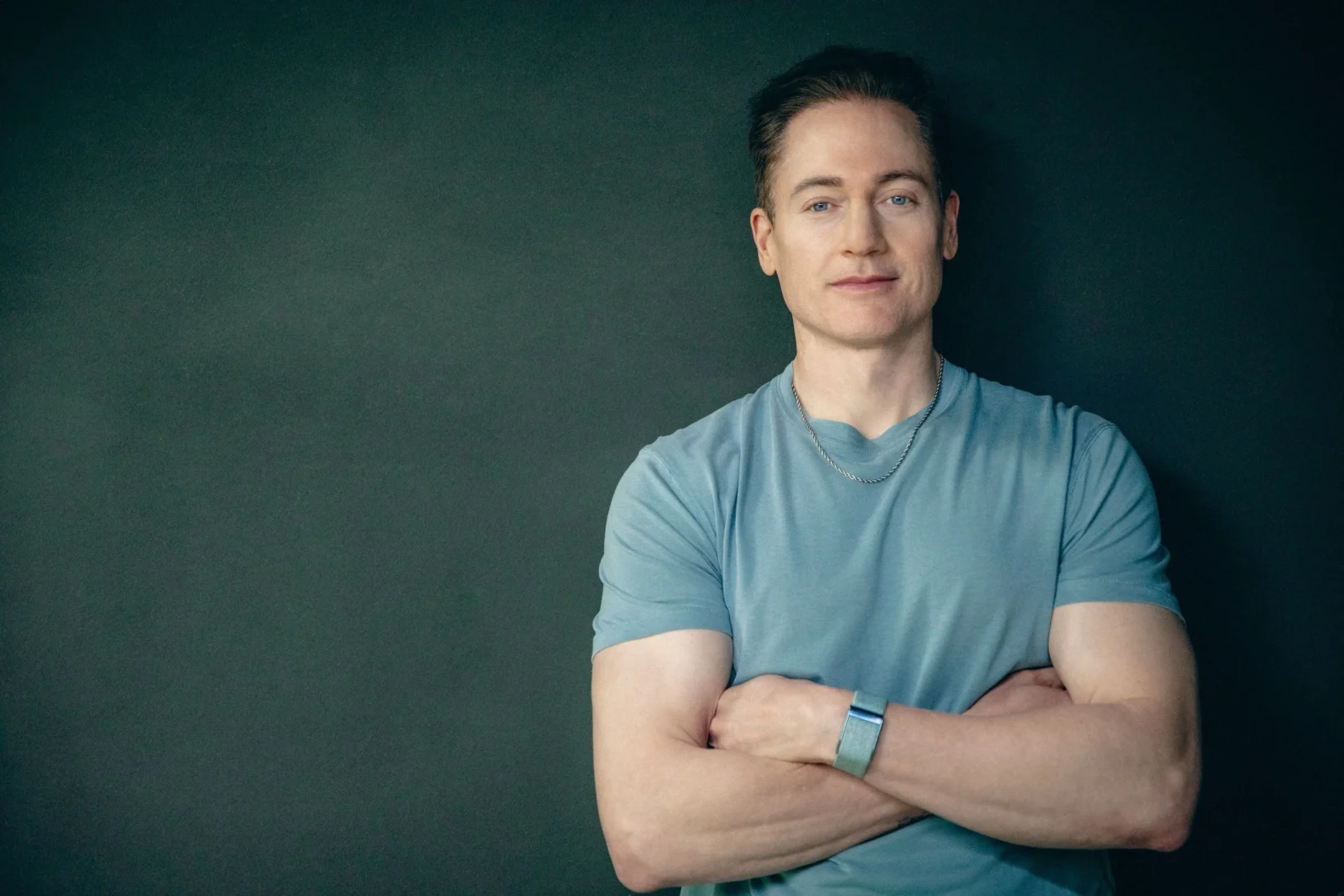



Bryan Johnson Takes His Longevity Diet to the Dinner Table: Biohacking Enters the Meal Delivery Business
By Ravoke News Desk The entrepreneur known for his ambitious efforts to slow aging is bringing his nutrition philosophy to a wider audience. Through a new partnership with meal-delivery company

By Ravoke News Desk
The entrepreneur known for his ambitious efforts to slow aging is bringing his nutrition philosophy to a wider audience. Through a new partnership with meal-delivery company Tovala, Johnson’s Blueprint brand is introducing longevity-focused meals designed to make his highly structured approach to eating more convenient. But can a diet built around personal health data, strict food standards and expensive wellness routines become an affordable, practical option for everyday consumers?
For years, Bryan Johnson has attracted attention for treating his body like a scientific experiment. The technology entrepreneur has built a public identity around measuring biological aging, tracking thousands of health data points and following a highly structured routine designed to improve health and potentially extend lifespan.
His approach has included detailed nutrition plans, supplements, exercise, sleep monitoring and extensive medical testing. It has also generated considerable debate about how much of what he does is supported by established science, how much remains experimental and whether his approach is realistic for people who do not have his financial resources.
Now, one of the most recognizable parts of his routine is moving into a much more familiar setting: the home kitchen.
On October 29, 2026, Tovala announced a partnership with Johnson’s Blueprint brand to introduce a new line of Blueprint-certified Longevity Meals. The idea is straightforward: take the nutrition standards associated with Johnson’s personal longevity philosophy and turn them into prepared meals that customers can order and cook at home using Tovala’s smart oven system.
It is a notable development in the growing business of longevity. The market is moving beyond supplements, expensive testing and specialized clinics. Food companies are increasingly looking for ways to make healthy eating more convenient, measurable and connected to consumers’ broader wellness routines.
And Johnson’s name brings considerable attention to that opportunity.
What exactly is being launched?
The new product line is called Longevity Meals by Tovala, developed in partnership with Blueprint, Johnson’s longevity-focused consumer health company.
The meals are designed around Blueprint’s nutrition standards, with Tovala bringing its food preparation, delivery and smart cooking technology to the partnership.
According to the companies, the meals emphasize:
- Lean protein.
- Healthy fats, particularly olive and avocado oils.
- Fiber-rich carbohydrates.
- Vegetables and other nutrient-dense ingredients.
- Balanced macronutrients intended to support muscle maintenance, metabolic health and sustained energy.
The meals exclude more than 100 ingredients and ingredient categories on Blueprint’s restricted list. The company says the recipes contain no dairy, refined sugars, hydrogenated oils or gluten-containing ingredients.
This is not simply a collection of meals with Johnson’s name attached. The partnership is built around specific nutrition requirements that Blueprint says its team reviews before meals can carry its certification.
The menu includes two recognizable Blueprint favorites, Super Veggie and Nutty Pudding, alongside a rotating selection of chef-created meals.
Johnson’s personal chef, Tara Amanya, a registered dietitian nutritionist, worked with Tovala’s culinary team on the recipes and their nutritional standards.
The larger objective is to make a structured nutrition approach easier to follow without requiring customers to purchase ingredients, plan every meal and spend hours preparing food.
From Super Veggie to a delivered dinner
Anyone who has followed Johnson’s Blueprint routine will likely recognize Super Veggie.
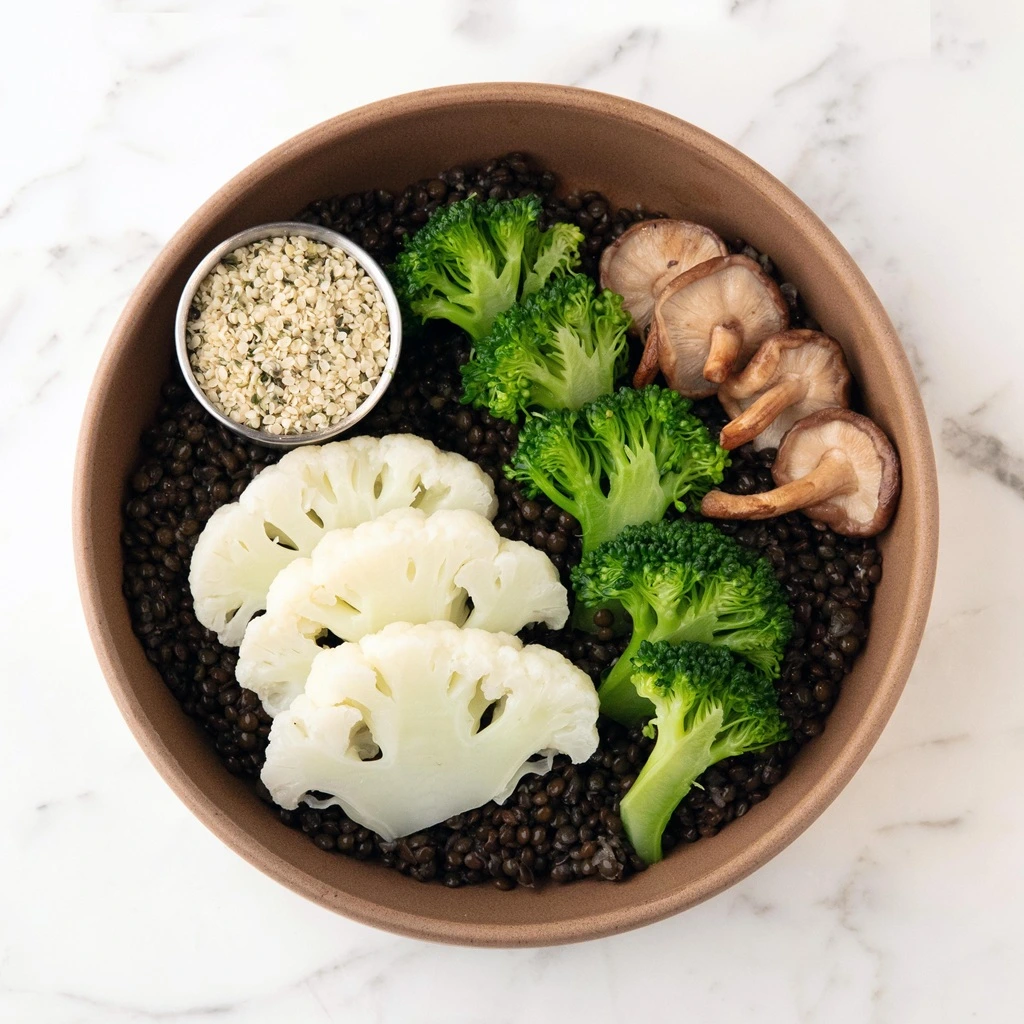
The meal has become one of the best-known parts of his nutrition approach. It is built around ingredients such as lentils, broccoli, cauliflower, mushrooms, garlic, ginger, spices and healthy fats. It is designed to provide fiber and plant-based nutrients as part of a structured eating routine.
Nutty Pudding is another familiar item. It combines ingredients such as nuts, seeds and berries and is designed to provide healthy fats, fiber and other nutrients.
The new delivery menu takes those familiar recipes and adds meals designed to appeal to people who want more variety.
Examples shown in the company’s menu include salmon fajita bowls and sesame beef and broccoli with quinoa, along with other rotating dishes featuring lean proteins, vegetables and fiber-rich ingredients.
The nutritional figures vary by meal. For example, company product information lists 36 grams of protein and 10 grams of fiber for its Salmon Fajita Bowl, while its Sesame Beef and Broccoli with Quinoa lists 48 grams of protein and 7 grams of fiber.
This is important because longevity nutrition is not simply about eating fewer calories or eliminating entire food groups. Adequate protein, fiber, micronutrients and overall dietary quality are important considerations, particularly as people age and work to maintain muscle mass and metabolic health.
How the Tovala system works
The partnership also combines food delivery with Tovala’s smart oven technology.
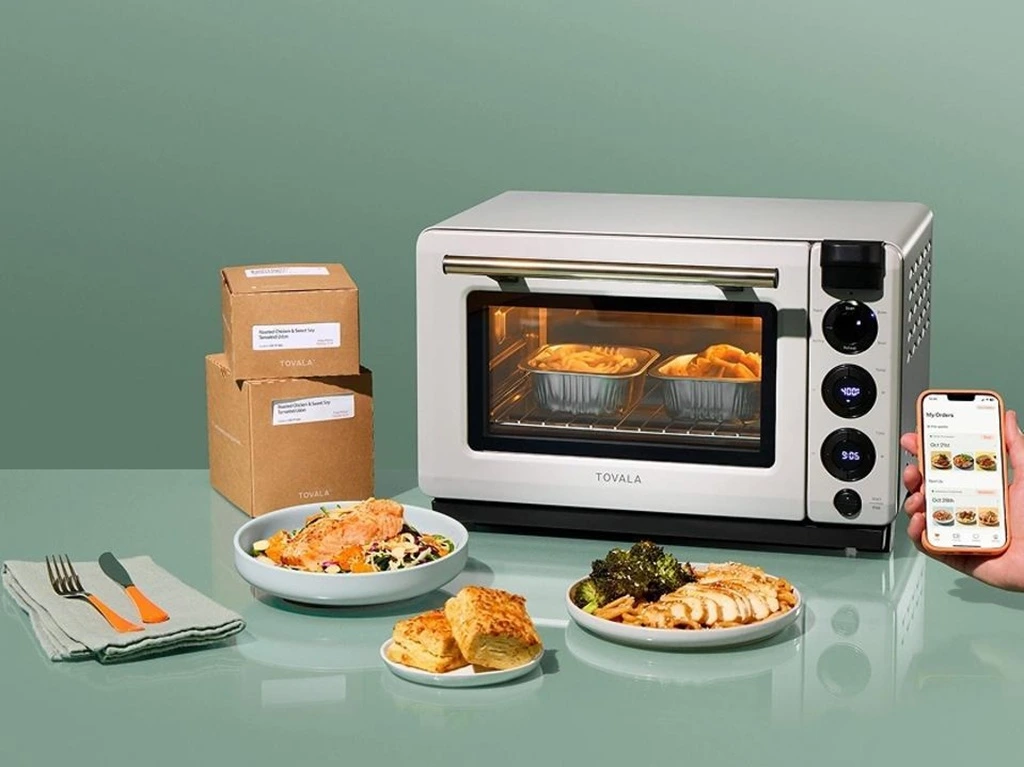
Customers select their meals and receive prepared dishes. Each meal is designed for the Tovala Smart Oven. By scanning a QR code, the oven automatically follows a cooking program developed for that particular dish.
The companies say the system is designed to make preparation simple while preserving the experience of freshly cooked food.
There is also a technology component beyond cooking. Tovala says customers can log nutritional information from meals into Apple Health, connecting food choices with other health and fitness information they may already track.
The appeal is easy to understand. Many people know they should eat better, but the daily work of planning meals, shopping, preparing ingredients and cooking can make consistency difficult.
A prepared meal that aligns with a defined nutrition approach could remove several of those obstacles.
However, there is an important detail: these meals are designed specifically for the Tovala Smart Oven and are not intended to be microwaved. That means the convenience comes with a requirement to use the company’s cooking equipment.
What does it cost to eat like Bryan Johnson?
One of the biggest questions surrounding longevity products is whether they can move beyond an affluent audience.
Johnson has publicly described spending more than $2 million annually on his own health efforts, including medical testing, specialist support and an extensive personal health operation. That is far beyond what most households could reasonably consider.
The new meal partnership takes a different approach.
Blueprint advertises weekly meal plans starting at $55.96, with the Tovala Smart Oven included in the promotional offer displayed on its product page. The exact cost depends on the plan and order selected, and customers should check current pricing, shipping and promotional terms before signing up.
The price point may make the meals more accessible than Johnson’s full personal routine, but it does not automatically make the entire Blueprint lifestyle affordable.
Customers still need to consider the number of meals they order, other groceries, delivery costs where applicable and the equipment requirement.
There is also a distinction between using a few meals to make healthier eating easier and following an entire longevity protocol. The latter can involve supplements, testing, specialized services and other expenses that are not included in a meal subscription.
The bigger opportunity may be to make the most practical elements of good nutrition accessible without requiring people to adopt every aspect of an expensive biohacking lifestyle.
Why this partnership matters to the longevity industry
The Tovala announcement is more than a celebrity nutrition collaboration. It reflects a shift in how longevity is being marketed and delivered.
For years, the consumer longevity market has largely revolved around products such as supplements, wearable devices, blood testing, biological-age assessments and specialized wellness services.
Those products can appeal to people who are already highly engaged in their health. But they do not necessarily solve one of the most basic everyday challenges: what to eat.
Food is something consumers make decisions about several times a day. That creates a much larger opportunity for companies that can translate nutrition recommendations into convenient products.
The partnership brings together three different elements.
A recognizable longevity brand. Bryan Johnson has built a large following around his personal health experiments and the Blueprint philosophy.
A food and delivery operation. Tovala brings its chefs, prepared meals, delivery infrastructure and established smart-oven system.
A defined nutrition standard. Blueprint supplies the dietary criteria and certification process that distinguish these meals from the rest of Tovala’s menu.
That combination could appeal to consumers who are interested in health but do not want to become full-time meal planners.
It also gives Tovala a way to differentiate its offering in a competitive meal-delivery market, where companies are constantly looking for new audiences and reasons for customers to subscribe.
What does the science actually say about longevity diets?
This is where the conversation needs to move beyond the marketing.
There is substantial scientific support for eating patterns that emphasize vegetables, fruits, legumes, whole grains, nuts, fiber and healthy fats while limiting highly processed foods, excess added sugars and processed meats.
These principles appear in well-studied dietary patterns, including the Mediterranean-style diet.
Research has associated Mediterranean-style eating with better cardiovascular and metabolic health, and studies have linked this dietary pattern with lower risks of several chronic diseases.
Adequate protein is also important, particularly as people age. Muscle mass naturally declines over time, and maintaining strength is an important part of preserving mobility, independence and quality of life.
Fiber plays another significant role. It supports digestive health, helps regulate blood glucose and can contribute to healthier cholesterol levels.
These are meaningful health benefits. But they should not be confused with proof that a specific branded meal plan will extend someone’s lifespan.
There is currently no long-term clinical evidence demonstrating that eating Blueprint-certified Tovala meals increases human lifespan or reverses biological aging.
That distinction is important.
A meal can be nutritionally well designed without having been proven to prevent disease, reverse aging or deliver the same results Johnson reports from his highly individualized routine.
The broader nutrition principles have considerably more research behind them than many of the more experimental interventions associated with the biohacking world.
The certification question: Who decides what qualifies as longevity food?
One detail consumers should understand is the meaning of Blueprint certification.
According to the partnership’s product information, Blueprint-certified meals must meet its nutrition requirements, including minimum protein and fiber levels, and avoid more than 100 excluded ingredients or ingredient categories. The recipes undergo formulation review before being approved.
But there is an important distinction between a company-created certification and an independent regulatory or medical endorsement.
Blueprint’s certification is administered by Blueprint itself. It is not an independent government certification or a guarantee that a meal will prevent disease or increase lifespan.
That does not mean the standards are without value. They give customers a clearer understanding of what the company is trying to achieve.
But consumers should still read the nutritional labels, ingredient lists, serving sizes and allergen information.
The company’s product information also notes that meals are prepared in facilities that handle several common allergens, including milk, eggs, fish, shellfish, tree nuts, peanuts, wheat, soy and sesame. People with serious allergies need to take that warning seriously.
Can a longevity meal plan work for everyone?
This may be the most important question.
A nutrition plan designed around one person’s goals, body composition, medical testing and activity levels should not automatically become a universal prescription.
Johnson’s personal routine is highly individualized. He has the resources to measure his health extensively, work with specialists and adjust his approach based on the data he collects.
Most people do not have that infrastructure.
A person managing diabetes may need to consider carbohydrate amounts, medication timing and blood glucose responses. Someone with kidney disease may need individualized guidance on protein, potassium, phosphorus and sodium. Older adults may have different nutritional needs depending on appetite, muscle mass, activity and medical conditions.
A meal that works well for one person may not be appropriate for another.
There is also the question of sustainability. A nutrition plan only helps if someone can follow it consistently, enjoys the food, can afford it and receives the nutrients they need.
For many households, a balanced approach using affordable foods such as beans, lentils, vegetables, fruit, oats, eggs, fish and other protein sources may be more realistic than purchasing a premium meal subscription every week.
The value of this new offering will depend partly on whether customers can use it as a practical tool rather than feeling they must follow an entire celebrity health routine.
Is biohacking becoming a consumer food business?
The launch comes at a time when longevity has become a powerful consumer category.
Johnson has helped make biological-age testing, personal health data, sleep optimization and dietary experimentation part of mainstream conversation. His Blueprint brand sells supplements, nutrition products and personal-care offerings, while his wider business activities include specialized longevity services.
The Tovala partnership adds something different: a recurring food product.
That matters commercially because food delivery can create an ongoing relationship with customers. Rather than making a one-time purchase of a supplement or device, subscribers can receive meals week after week.
It also introduces a new kind of consumer question: Will people pay a premium for meals that come with a recognizable longevity philosophy and a technology-supported cooking experience?
For Tovala, the partnership could bring a new audience to its meal subscription service. For Blueprint, it expands the brand from products and protocols into everyday eating.
And for the wider industry, it offers a glimpse of where the market may be heading: nutrition products that are not only marketed as healthy, but also packaged around measurable standards, convenience and personalization.
What consumers should take away
There is a lot to like about the broader direction of this launch.
Making nutrient-dense meals more convenient could help people improve their everyday eating habits. Emphasizing vegetables, fiber, quality protein and healthier fats is consistent with many established nutrition recommendations.
But consumers should be careful not to confuse the language of longevity with a promise of longer life.
A branded meal does not replace medical care, a personalized nutrition plan or the need to address individual health conditions. Nor does a company’s certification establish that its meals have been proven to slow human aging.
The most useful lessons from the Blueprint approach may be much simpler than the elaborate biohacking routine that made Johnson famous: pay attention to what you eat, prioritize nutritional quality, maintain muscle, stay physically active and build habits you can sustain.
And those habits do not have to come with an expensive subscription.
The bigger question: Is the future of longevity on our plates?
Bryan Johnson’s partnership with Tovala is an interesting development because it takes an idea that has largely been associated with expensive personal health experiments and brings it into an everyday consumer category.
It also highlights a growing realization across the wellness industry: people may be interested in living longer, but they need practical ways to put healthier habits into action.
The next phase of the longevity market may not be defined only by advanced testing, supplements or futuristic medical interventions. It may also be defined by the food people can conveniently put on their tables every day.
Whether this particular partnership becomes a major success will depend on its pricing, food quality, customer experience and ability to retain subscribers.
But one thing is clear: longevity is increasingly being sold not just as a medical or scientific pursuit, but as a lifestyle—and the dinner table is becoming part of that business.
Perhaps the most important lesson is that healthy aging should not be reserved for people who can afford to biohack every aspect of their lives. The real opportunity is making sound nutrition easier, more accessible and sustainable for everyone.
The entrepreneur known for his ambitious efforts to slow aging is bringing his nutrition philosophy to a wider audience. Through a new partnership with meal-delivery company Tovala, Johnson’s Blueprint brand is introducing longevity-focused meals designed to make his highly structured approach to eating more convenient. But can a diet built around personal health data, strict food standards and expensive wellness routines become an affordable, practical option for everyday consumers?