





A New Chapter in Weight Loss Treatment: What to Know About the Daily Pill Foundayo
By Gloria Lancer for Ravoke.com For years, weight loss medications have largely meant injections, strict timing, and complicated routines. But a newly approved pill may be shifting that landscape in

By Gloria Lancer for Ravoke.com
For years, weight loss medications have largely meant injections, strict timing, and complicated routines. But a newly approved pill may be shifting that landscape in a meaningful way.
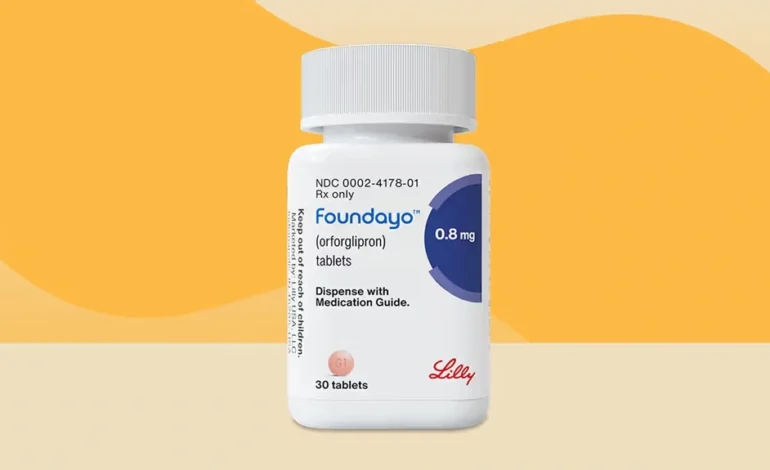
The U.S. Food and Drug Administration has approved Foundayo (orforglipron), a once-daily oral medication designed to help adults with obesity—or those who are overweight with related health conditions—manage their weight more effectively. And while new treatments enter the market regularly, this one is drawing attention for a simple reason: it’s easier to take than many of its predecessors.
Unlike earlier medications in its class, Foundayo doesn’t require precise timing around meals or even a glass of water. It’s designed to fit into daily life with fewer restrictions, which could make consistency—a major challenge in weight management—more achievable for many people.
What Makes Foundayo Different?
Foundayo belongs to a class of drugs known as GLP-1 receptor agonists, which work by mimicking hormones that regulate appetite and blood sugar. These medications help people feel fuller for longer, reduce hunger signals, and support better metabolic control.
What sets Foundayo apart is its convenience. Earlier GLP-1 treatments often required injections or strict dosing instructions tied to meals. This pill can be taken at any time of day, with or without food, lowering the barrier for people who may have struggled with more complex regimens.
That simplicity may not sound groundbreaking at first—but in long-term treatment, ease of use often plays a critical role in whether a medication actually works in real life.
What the Research Shows
Clinical trials following patients for up to 72 weeks revealed notable results. On average, individuals taking the highest studied dose experienced about an 11% reduction in body weight—roughly 25 pounds for many participants.
More than half of participants without diabetes achieved at least a 10% weight loss, while nearly half of those with type 2 diabetes reached similar results. Beyond the number on the scale, researchers also observed improvements in blood pressure, cholesterol markers, and waist size.
These findings suggest that the medication may offer benefits that extend beyond weight alone, touching on broader aspects of metabolic health.
Side Effects and Safety Considerations
Like many medications that affect digestion and metabolism, Foundayo comes with potential side effects. The most commonly reported issues include nausea, diarrhea, and constipation—especially during the early stages as the body adjusts.
Some people also reported fatigue, headaches, and mild gastrointestinal discomfort. In most cases, these symptoms were temporary, but they can still impact day-to-day comfort.

There are also more serious risks to consider. The medication carries a warning about a potential link to certain thyroid tumors, and it should not be used by individuals with a personal or family history of specific thyroid cancers or related conditions. Rare cases of pancreatitis have also been reported, making it important to watch for severe or persistent abdominal pain.
Because the drug lowers blood sugar, there is also a risk of hypoglycemia, particularly for those already taking insulin or similar medications.
How It Fits Into Daily Life
One of Foundayo’s biggest advantages may be how easily it integrates into a routine. Patients typically start at a low dose to minimize side effects, gradually increasing over time under medical supervision.
The pill is taken once daily and swallowed whole, without the need for timing it around meals. However, consistency still matters—missing multiple doses may require restarting the dosage progression.
There are also practical considerations. Because the medication slows how quickly the stomach empties, it can affect how other drugs are absorbed, including birth control pills. Patients may need to use backup contraception during certain periods of treatment.
Additionally, those planning surgery are advised to inform their care team in advance, as the medication can influence how the body responds to anesthesia.
Access, Cost, and What Comes Next
According to its manufacturer, Eli Lilly, prescriptions for Foundayo are already being accepted through its direct platform, with broader availability expected across pharmacies and telehealth providers.
Pricing may vary, but early programs suggest reduced costs for insured patients, along with self-pay options for those without coverage. As with many newer medications, affordability and insurance access will likely shape how widely it’s used.
A Broader Shift in Weight Management
The approval of Foundayo reflects a larger shift in how weight management is being approached. Increasingly, obesity is being treated as a complex medical condition rather than simply a matter of willpower.
Medications like this are part of a growing toolkit that includes lifestyle changes, behavioral support, and ongoing medical care. For some, they may provide the extra support needed to make sustainable progress—especially when traditional methods alone haven’t worked.
At the same time, experts emphasize that no medication replaces the fundamentals of health. A balanced diet, regular movement, and consistent medical guidance remain essential parts of any long-term strategy.
Who May Be Most Affected?
Obesity and related conditions don’t affect all populations equally. In the United States, higher rates are seen among certain racial and ethnic groups, including Black and Hispanic communities. These disparities are often linked to differences in access to healthcare, socioeconomic factors, food environments, and chronic stress exposure.
People living with conditions like type 2 diabetes, high blood pressure, and cardiovascular disease may also be more likely to be candidates for medications like Foundayo. Age plays a role as well, with many individuals seeking treatment later in life after years of weight-related health challenges.
Access to newer treatments can vary widely, which means the populations most affected by obesity are not always the ones who can easily obtain the latest therapies. As medications like Foundayo become more available, addressing these gaps will be an important part of improving public health outcomes.
Foundayo represents a notable step forward—not just because it’s a pill, but because it reflects a broader effort to make treatment more practical and accessible. For those navigating weight management, that shift could make all the difference in turning short-term efforts into lasting change.