


From Hospital Shift to Costa Rica: My Experience Filming Four Days
By Dr. Cathleen Brown, fondly known as “Dr. Cat for ravoke.com When I was first asked to be a featured medical expert in Four Days, a new docuseries exploring the
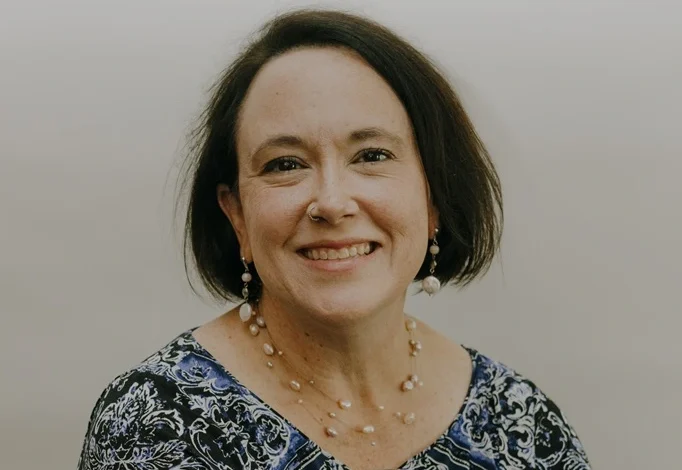

By Dr. Cathleen Brown, fondly known as “Dr. Cat for ravoke.com
When I was first asked to be a featured medical expert in Four Days, a new docuseries exploring the realities of menopause, I didn’t hesitate. I immediately said yes.
The goal of the four-part series was simple but powerful: to support, educate, and inspire women navigating the menopausal transition and the often overwhelming experience of midlife. As an Obstetrics and Gynecology physician and Medical Director at Winona, that mission aligns perfectly with the work I’ve dedicated my career to.
Too often, women come to my office after being dismissed elsewhere. They describe symptoms that were brushed off or minimized, sometimes being prescribed antidepressants before anyone even considered that hormonal changes might be the cause.
Again and again, I hear the same story. Women spend months—sometimes years—seeing multiple providers before finally finding someone willing to listen and help them understand what’s happening in their bodies.
That’s why participating in this documentary felt so important.
A Journey That Started With a 24-Hour Shift
When I learned filming would take place in Costa Rica, my excitement grew even more. After spending 12 years on active duty in the U.S. Army providing obstetric and gynecologic care to service members and their families, travel had become a big part of my life. Costa Rica had long been on my bucket list.
But getting there was anything but relaxing.
On June 4th, 2025, I finished a 24-hour hospital shift on labor and delivery before heading straight to the airport. Exhausted doesn’t even begin to describe how I felt.
Then, mid-flight from Philadelphia to Miami, a medical emergency broke out on the plane—and I stepped in to help.
After that, my connecting flight to Costa Rica was significantly delayed. By the time I finally arrived on set later that evening, I was running purely on determination.
Production had already begun. I was definitely not “camera ready,” but I stayed for a bit to meet some of the other experts before heading to my room to get some much-needed sleep.
Waking Up to Costa Rica
The next morning changed everything.
After finally getting a full night of rest, I stepped outside and saw the filming location for the first time. We were staying at a beautiful property perched on a hill in Atenas.
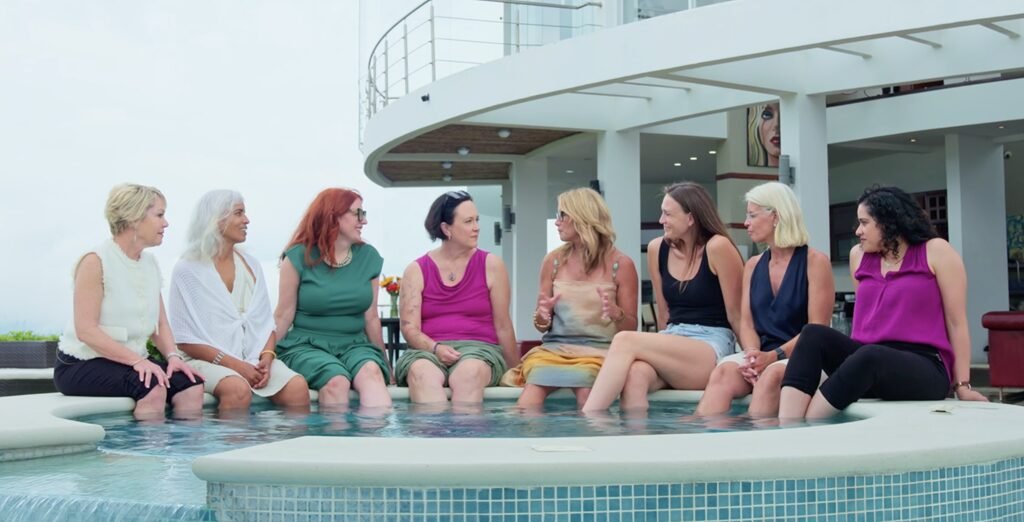
Sunlight stretched across the hills. A warm breeze moved through the trees. The entire setting felt peaceful in a way that instantly reset my mind after the chaos of travel.
Watching the production unfold was eye-opening. What we see on television is only a small glimpse of the work happening behind the scenes. Crew members were constantly moving—setting up cameras, adjusting lighting, coordinating schedules—yet somehow the entire environment remained calm and supportive.
The Moments Between Filming
Some of the most meaningful parts of the experience happened when the cameras weren’t rolling.
Each morning began with healthy, delicious meals prepared by our chef, Edgar. Those breakfasts quickly became a time for connection. Participants and medical professionals gathered around the table, sharing stories, laughing, and talking openly about women’s health.
Because we spent so much time together throughout the day, the environment became deeply collaborative. Conversations during filming didn’t feel forced or scripted—they flowed naturally because genuine relationships had already formed behind the scenes.
Even though the trip itself was short, it didn’t feel that way. There was a strong sense that we were part of something important—something bigger than any one person involved.
After the Cameras Stopped
One of the most meaningful aspects of the experience was connecting with other physicians who share the same passion for improving women’s healthcare.
Meeting colleagues equally committed to advancing menopause education and treatment options was incredibly energizing. While filming may be over, I know those connections will continue long after our time in Costa Rica.
The experience also left me with a renewed sense of purpose.
For decades, women’s midlife health has been underfunded and under-researched. But that conversation is finally beginning to shift. With recent updates from the U.S. Food and Drug Administration regarding hormone therapy labeling, there is growing optimism that menopause care will receive the attention it deserves.
My hope is that Four Days helps accelerate that change.
A Message to Women Navigating Menopause
To any woman feeling confused, frustrated, or alone during perimenopause or menopause—please know that you are not alone.
Find a supportive community. Learn about your body. Ask questions and advocate for the care you deserve.
And if someone tells you “no,” don’t be afraid to keep asking until you find someone who will truly listen.
Because relief isn’t just possible—it’s often the first step toward feeling like yourself again.For more information on menopause visit: https://bywinona.com/more